
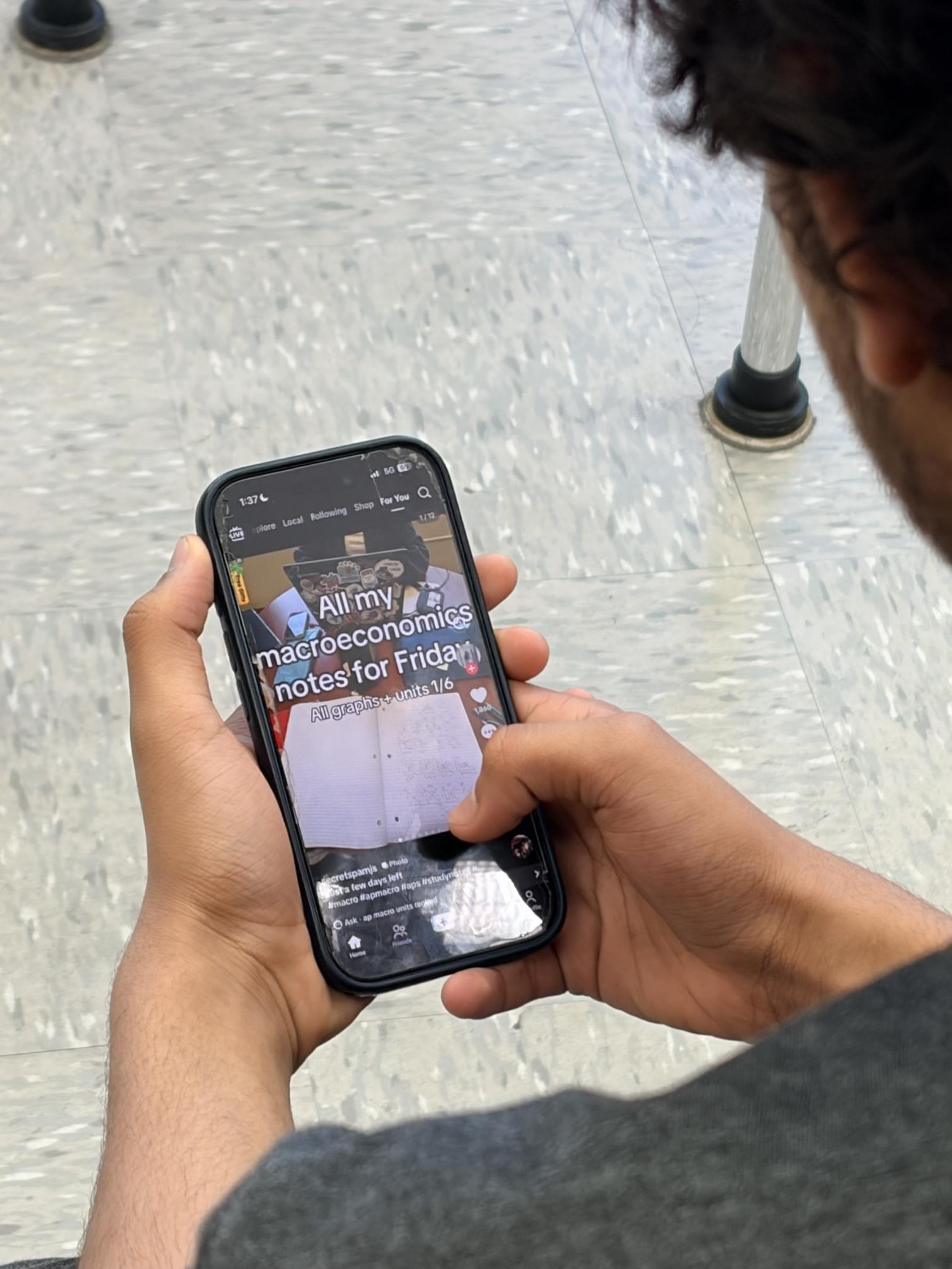
Last year, the debate surrounding TikTok was urgent and unavoidable. News of a looming TikTok ban swarmed media outlets with lawmakers warning that the app facilitated foreign surveillance, prompting a national security threat. In fact, such rhetoric against TikTok last year caused the social media platform to go offline for a few hours, only to return later with the message “Thank you for your patience and support. As a result of President Trump’s efforts, TikTok is back in the U.S.,” urging both mixed promises and political confusion.
Now, TikTok has been sold away from ByteDance, remaining accessible for the vast majority of the American public. However, what was even more surprising than this outcome was the lack of social media presence it received. The issue that once dominated headlines and plagued public channels, such as X (formerly Twitter), was quietly dissolved. Such a timeline has caused many to raise a critical question: if TikTok truly posed such an undeniable threat, as was made out to be, then why did it take a year to resolve, and why was it allowed to resume uninterrupted for so long?
Throughout 2024, officials on both sides of the political spectrum repeatedly described TikTok as a serious danger, citing the potential for Chinese access to sensitive American user data. The rhetoric pointed to a national urgency. The government response, however, hinted at a different story.
Despite consistent warnings of potential risks, TikTok, apart from an hours-long closure on January 19, 2025, continued its normal operations for months. No emergency safeguards were implemented, nor were any temporary restrictions on data put forth. National securities do not usually wait on legal technicalities or calendars, reflecting that the issue may not have been as prominent as originally portrayed.
TikTok’s rise during times of geopolitical tensions collided with a growing distrust over foreign technology and the interference of foreign nations in American politics. During this time, TikTok became an easy symbol to criticize as it was widespread and used by younger generations. Officials from all parts of the political spectrum echoed calls for a ban, issuing strong statements against the app.
A key moment came in January of 2024 when the CEO of TikTok was grilled over his nationality by US senators, sparking memes and user responses worldwide.
However, such positions softened over time. Following prominent warnings of irreversible damage, there were months of inaction. These inconsistencies raised the possibility that TikTok was not a security concern, but a platform where larger political anxieties colluded.
The uncertain state that TikTok had been left in has had real consequences. Millions of small creators who earned their living from the platform were left in the dark about whether their earnings would disappear overnight. According to CBS News, TikTok supports over 4.7 million jobs in the U.S.
In today’s social world, apps such as TikTok are not just entertainment platforms but also public spaces that enable communication and public sharing. When access to such networks is threatened without any clear timeline or reasons, public trust begins to erode.
Last year, the central question posed against TikTok was whether its presence in the American market was truly justifiable. Did its cultural impact outweigh the potential risk of TikTok granting foreign access to American user data? The crisis has now faded, and the app has been restored. What remains is the question of whether the urgency was ever justified. If the threat was in fact real, then the response was delayed. If the calls for a ban were truly genuine, then the silence that followed is hard to explain in the present day.
The real issue, hence, was not whether this was about protection or politics but whether the line between the two was ever clearly drawn.