
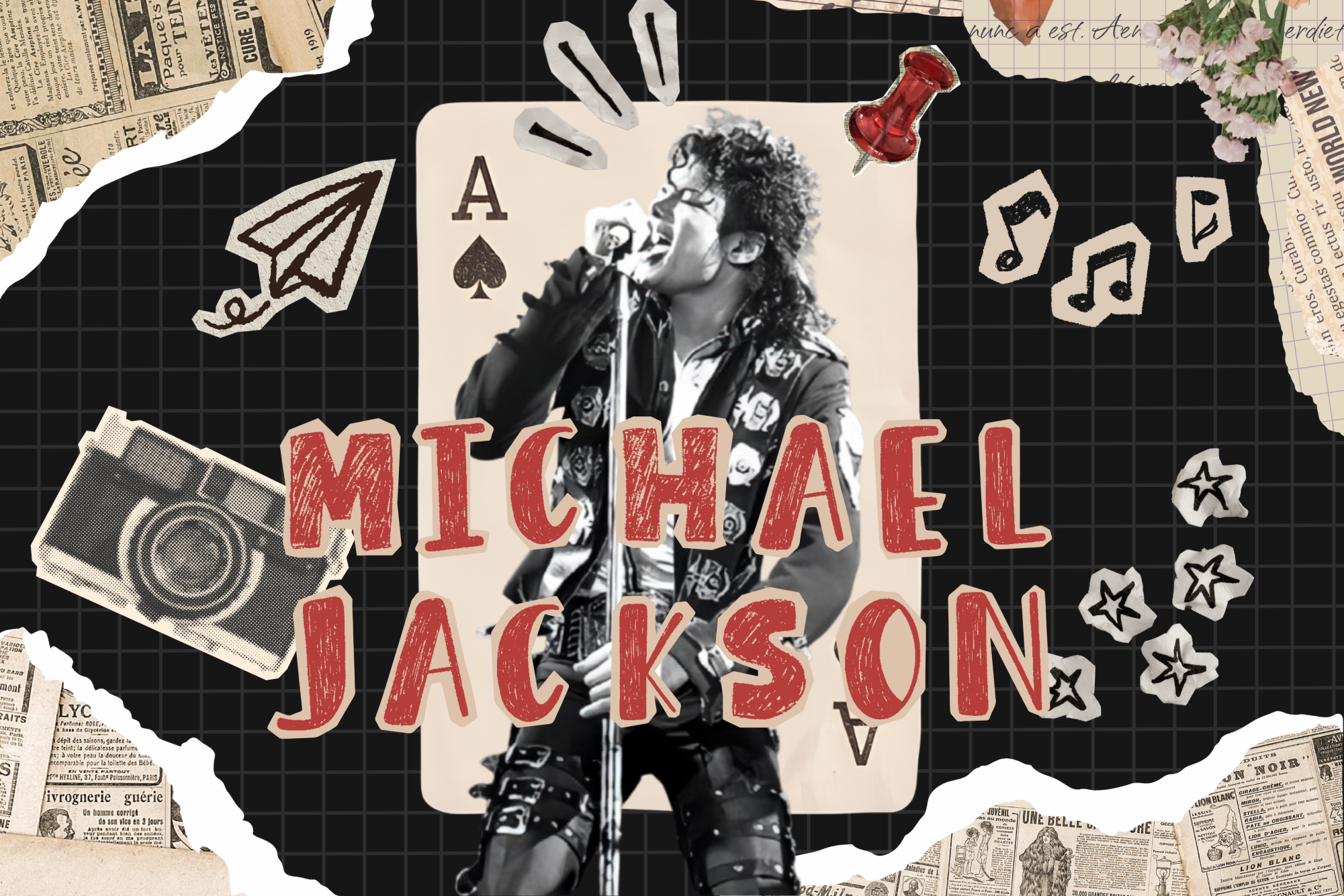
To what extent should biographical movies show the truth? That’s a question audience members might consider after seeing the harsh ratings critics gave the movie Michael, compared to the overwhelmingly positive feedback from viewers.
One of the most controversial films of the year, the biopic was released on April 24, 2026. Prior to its release, the film generated significant popularity, setting a record for the most-watched music biopic trailer in history with 116.2 million views in its first 24 hours. Across TikTok and social media platforms, Michael was highly anticipated. Starring Jaafar Jackson, Michael Jackson’s real-life nephew, fans were thrilled to see a relative bring MJ’s story to life.
Theaters were packed; every seat was occupied, and several audience members were spotted dressed as Jackson. Opposing the recent downturn in in-person audiences, Michael brought theaters back to life, earning the biggest box-office opening in history for a musical biopic, with $97 million domestically and $217 million worldwide.
“More than 4.0 million moviegoers attended films at AMC locations in the United States and at ODEON Cinemas internationally from Wednesday, April 22, through Sunday, April 26,” said AMC Entertainment.
However, despite high expectations, critics were unimpressed, initially giving the film a 27% score on Rotten Tomatoes upon release. While that score has now risen to 39%, fans’ opinions tell a different story, as viewers awarded it 97% on the Popcornmeter.
In itself, the film records Jackson’s childhood and his experiences performing in the Jackson 5 with his brothers, eventually moving to his emergence as a solo artist. The film highlights his love for characters like Peter Pan, his various unusual pets, such as Bubbles the chimpanzee, the nose surgeries he underwent from a young age, and the Pepsi commercial accident that served as a turning point in his life. The movie was sure to emphasize how Jackson was always different from those around him, hinting at the bright future that he was meant to live.
Even so, many critics were dissatisfied with the movie’s sanitization. The film downplays his father’s abusive behavior, offers minimal coverage of the scandals in Jackson’s life, and completely omits the allegations Jackson faced throughout his fame. This way, the movie could focus on a triumphant narrative while avoiding legal constraints.
Unlike some recent movies, audiences were deeply engaged with Michael, often singing along or clapping when Jackson sang or showed strength against his abusive father. Various clips online show audience members staying for the credits to dance in front of the theater, demonstrating genuine enjoyment without causing trouble.
This rediscovery of Michael Jackson by a new generation brought back many sentiments associated with his fame, especially “Michaelmania,” a term adopted in the 1980s to describe his cultural impact, sold-out merchandise, and devoted fan base. During Jackson’s concerts, fans were known to faint from excitement, and now, over forty years later, there have been multiple reports online of viewers fainting from sheer emotion while watching the movie.
The film ends with Jackson’s first solo concert tour, called the Bad World Tour. Much of his history after he left the Jackson 5 remains unexplored, creating high expectations for a sequel. It is said to be in development and to be recorded as of early 2027. However, with so much history left to unpack, the question remains: Will they choose to prioritize greater accuracy or maintain the experience that the majority of audiences clearly enjoy?