




























































Imagine walking into your local theater, laughing and beaming with a buzzing excitement that is transmitted to those around you. You take a seat in your recliner, with a refreshing drink in your left hand, cooling your nerves, while your right hand pops a buttery popcorn kernel into your mouth. At that moment, the movie comes to life on the screen, and the sound surrounds you, immersing you in this new universe. No one dares to speak—they are all mesmerized.
Or so they used to be, at least.
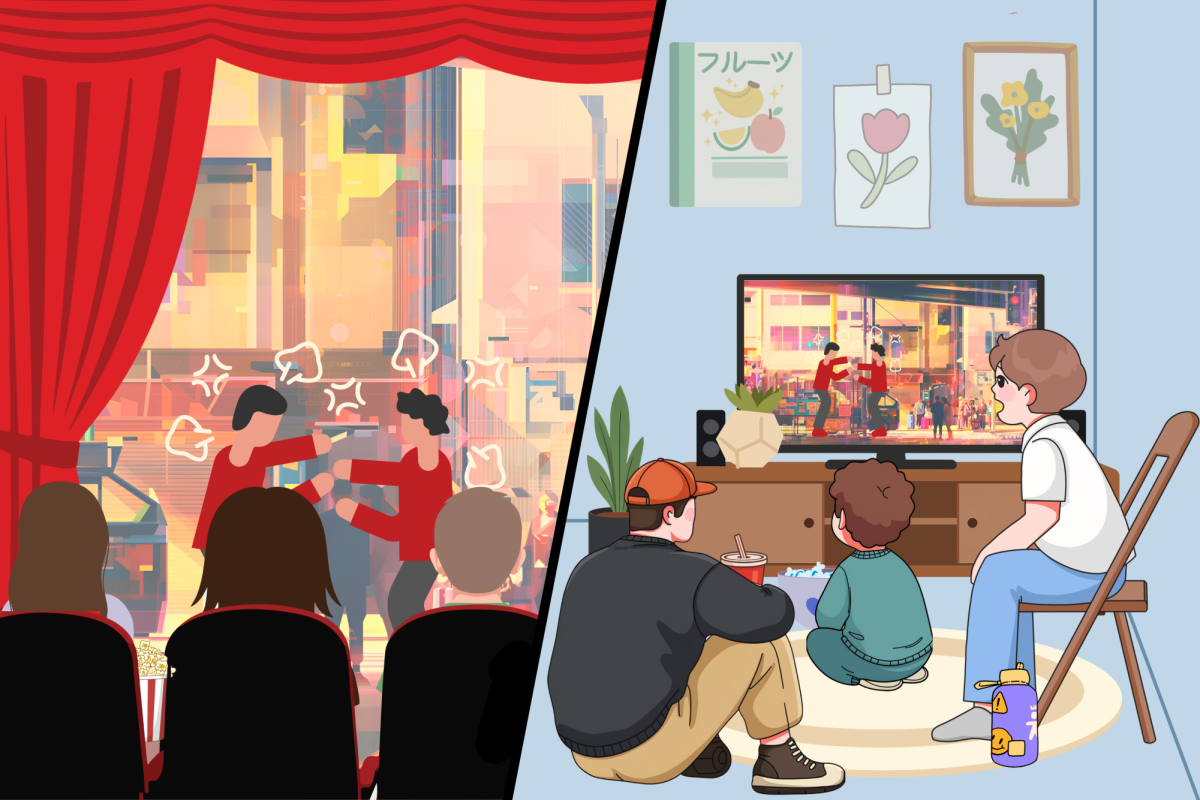
Between a world consumed by mass media and at-home entertainment, the movie industry is struggling. The theater just isn’t in your top three hangout places anymore. No one really says, “Hey, let’s go to the movies!” unless the film has been out for a couple of months and the person has heard multiple reviews or social media posts confirming that it’s $15 well spent.
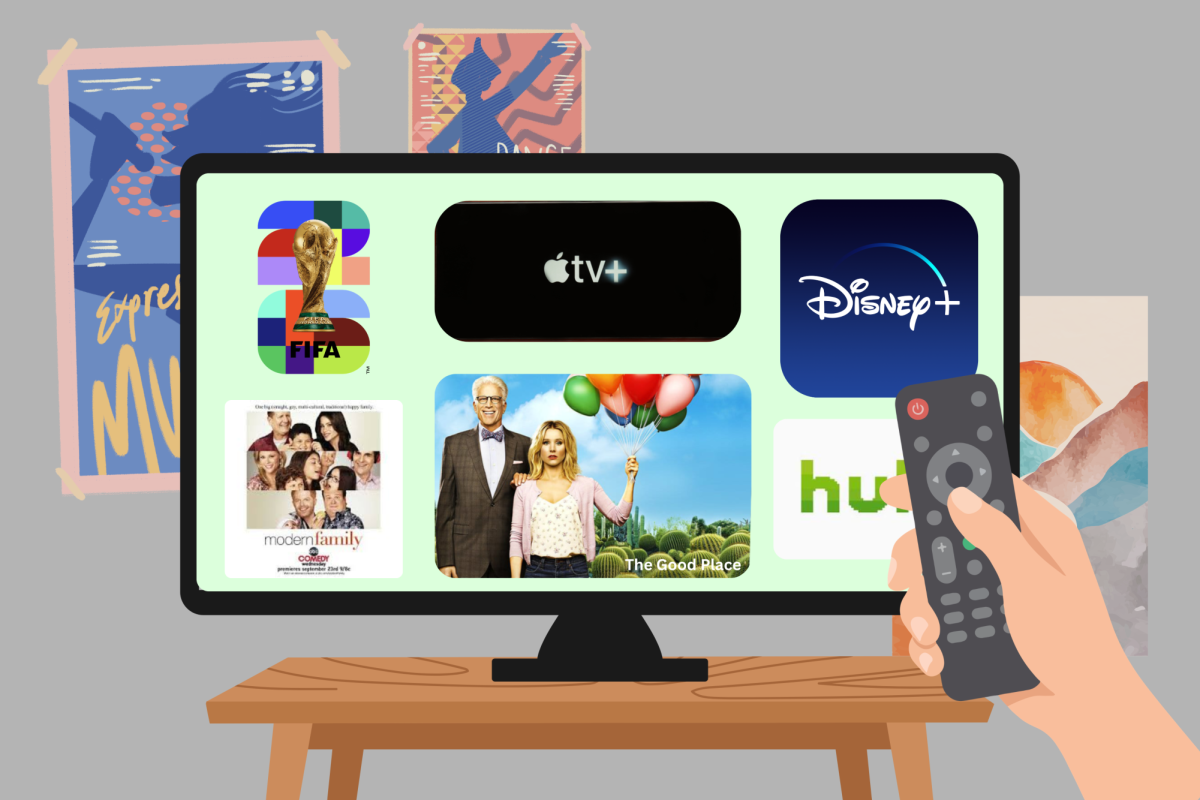
But why would anyone even bother going to the movies? Now, anyone can watch a movie from their own houses through online platforms, since taking a ten-minute drive to the theater feels like too much of an inconvenience or the ticket cost too much of a dent in your wallet. And even with the at-home option, the movies don’t ignite the same feelings they once did. So I get it. I wouldn’t want to spend my money on a movie that leaves me feeling empty either.
However, I still believe that if the industry shifted its mindset, movies in theaters could start to boom. Multiple studies have shown that this decrease began post-COVID, and when combining rising prices and declining theater etiquette, “all [of the aforementioned have] contributed to sagging box office numbers,” The Harvard Gazette said.
How come movies are now prone to making you question why you’re even watching them? I believe it all revolves around one specific principle: money! No longer are movies about crafting a good plot; they are instead about mass-producing movie after movie and sequel after sequel, including those live-action remakes no one asked for. Unfortunately, modern movies aren’t about quality, but more about quantity, and this overwhelmingly toxic production process has upset viewers enough that they would rather not experience a new film in theaters.
The same continues to be seen through the Marvel industry. “Since Avengers: Endgame, the MCU has struggled to regain its footing, with only two films surpassing the $1 billion mark,” Entertainment website Inside the Magic said. This run of poor performance has had several low points. “However, that six-year stretch has also seen some of the worst-performing movies in the MCU, including The Marvels, which had the lowest box office numbers of any Marvel movie since Disney purchased the company in 2009,” said the site.
I remember watching Marvel’s absurd Comic-Con reveal of their production plans post-Endgame. The list seemed impossible. And it proved to be impossible, as it was later discarded and rewritten (multiple times). Despite being discarded, Marvel, due to its increased income and widespread fame, pushed through to produce over 100 hours of content from 2019 to 2025, more than double the output of the previous 12 years. Effectively causing “Marvel fatigue,” the mass production of movie content led many to lose interest, abandon the fandom, and avoid theaters.
Marvel’s trajectory is a wake-up call for all producers and industries. The magic of the theater isn’t dead, but it is diminishing. It should no longer be about who can produce the most content in a year, or who gets the award for the most remakes. The theater is waiting, the seats are empty, and the popcorn is ready. So, how much longer must we wait for future productions that are actually worthwhile?