
































































From staying up to binge-watch TV to pulling an all-nighter to cram definitions, high school students rarely prioritize sleep. With bags under their eyes, students trudge around the school soullessly, running on three hours of sleep. While some might think that taking time at night to study is efficient, drowsiness catches up to everyone, both physically and mentally.
Almost everyone knows the basic yet detrimental consequences of sleep deprivation—memory loss, slower reaction times, increased health risks, and more (National Heart, Lung, and Blood Institute). But how does a lack of sleep affect your mind and psychological state?
“I’ve realized that when I don’t sleep, I can almost never pay attention in class,” said Seshanth Shyamsundar ‘27.
As emphasized in Verywell Mind, a lack of sleep can lead to brain fog, causing students to struggle to concentrate well during school and making recall more challenging. For instance, people may forget the right words when talking or writing. Like memory, productivity can also decrease significantly. With a lack of sleep and energy, students can find even ordinary topics overwhelming.
“There have been nights when I’ve stayed up late trying to memorize for school,” said Jayden Gamboa ‘28. “But, it turns out that when it came time to take the test, my brain would be so tired that I wouldn’t remember most of the topics I had studied. I would feel even more exhausted.”
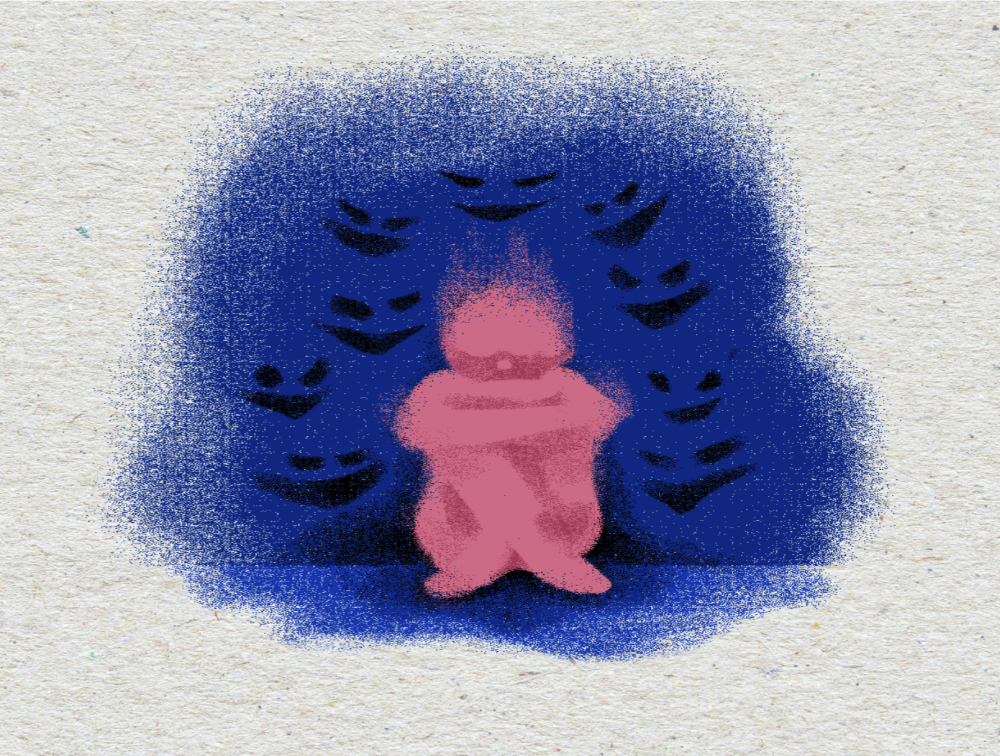
Along with attention deficits, sleep deprivation can lead to various mood changes. Most commonly, people who are sleep deprived are more irritable, anxious, or depressed. When sleep-deprived, the brain cannot suppress all of its feelings, leading to feelings of anger and frustration surfacing more easily. With sleeplessness, individuals also have drastic behavioral changes. Some usually feel more impulsive or hyperactive when sleep-deprived, leading to ordinary emotional outbursts over insignificant events. Finally, a lack of sleep can also impair your ability to manage and deal with stress in your daily life, even if you have minimal stressors.
These consequences are just the immediate negative effects of sleep loss. But if sleeplessness becomes constant, the drawbacks can be serious or even life-threatening. Severe sleep deprivation is scientifically linked to psychotic disorders, depression, and chronic anxiety. A lack of sleep is a significant cause for the development and maintenance of many mental disorders, such as PTSD, bipolar disorder, and insomnia, and even later in life, Alzheimer’s and dementia.
But like many problems, active solutions exist.
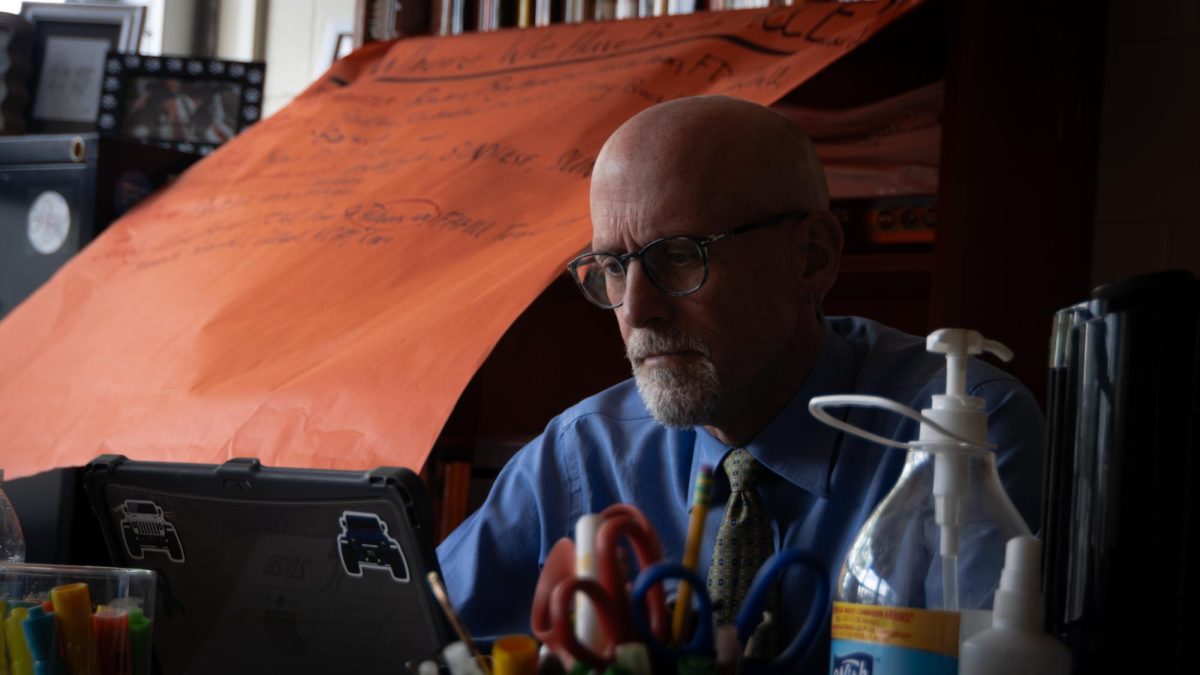
“If you want a good night’s sleep, you should turn off your screens at least half an hour before bed,” said History teacher Mr. Michael Glackin, who teaches Topics in Human Behavior, an introductory psychology class. “You can read a little bit from an actual book or magazine, but don’t doomscroll; it’s not going to work.”
Along with Glackin, many sources like Sleep Foundation also back the claim that using devices before bed can hinder or even limit sleep. When using devices at night, people are often distracted, unintentionally giving scrolling a higher priority than sleeping. This misguided decision to scroll leaves students tired in the morning. Additionally, technology stimulates the mind, making it harder to fall asleep. Blue light emitted by devices interferes with melatonin production, the hormone that facilitates sleep, preventing the necessary hours of rest.
Turning off all devices prevents all of these problems. Instead, reading a book or magazine eases boredom and sleeplessness. These sources also suggest that taking a shower before bed can relax muscles and allow a sense of calmness, an important part of being physically prepared for rest. Finally, Glackin remarked that for healthy sleep cycles, one needs to get a full six to eight hours of sleep every night. With this amount of sleep, the brain completes all necessary sleep cycles and forms long-term memories.
So would you rather stay awake for an extra three hours, trying to force definitions into your mind, or get a good night’s rest, which boosts memory and well-being for the next day? Although some may feel like sleeping only hampers their capabilities to achieve a better grade, memory works in an inverse but interesting way.
“If you’re trying to study and you’re staying up late, you’re actually working against yourself,” said Glackin. “You’re not going to engage the memory systems that would actually help you remember things for the test the next day.”