

















































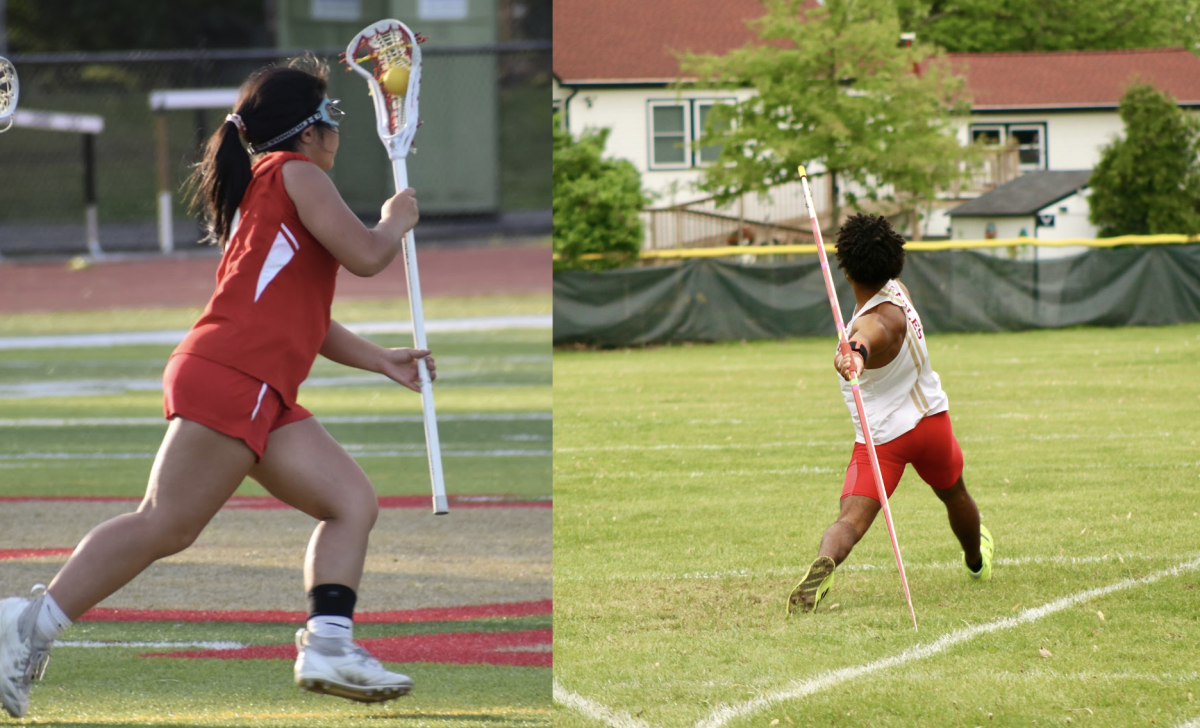
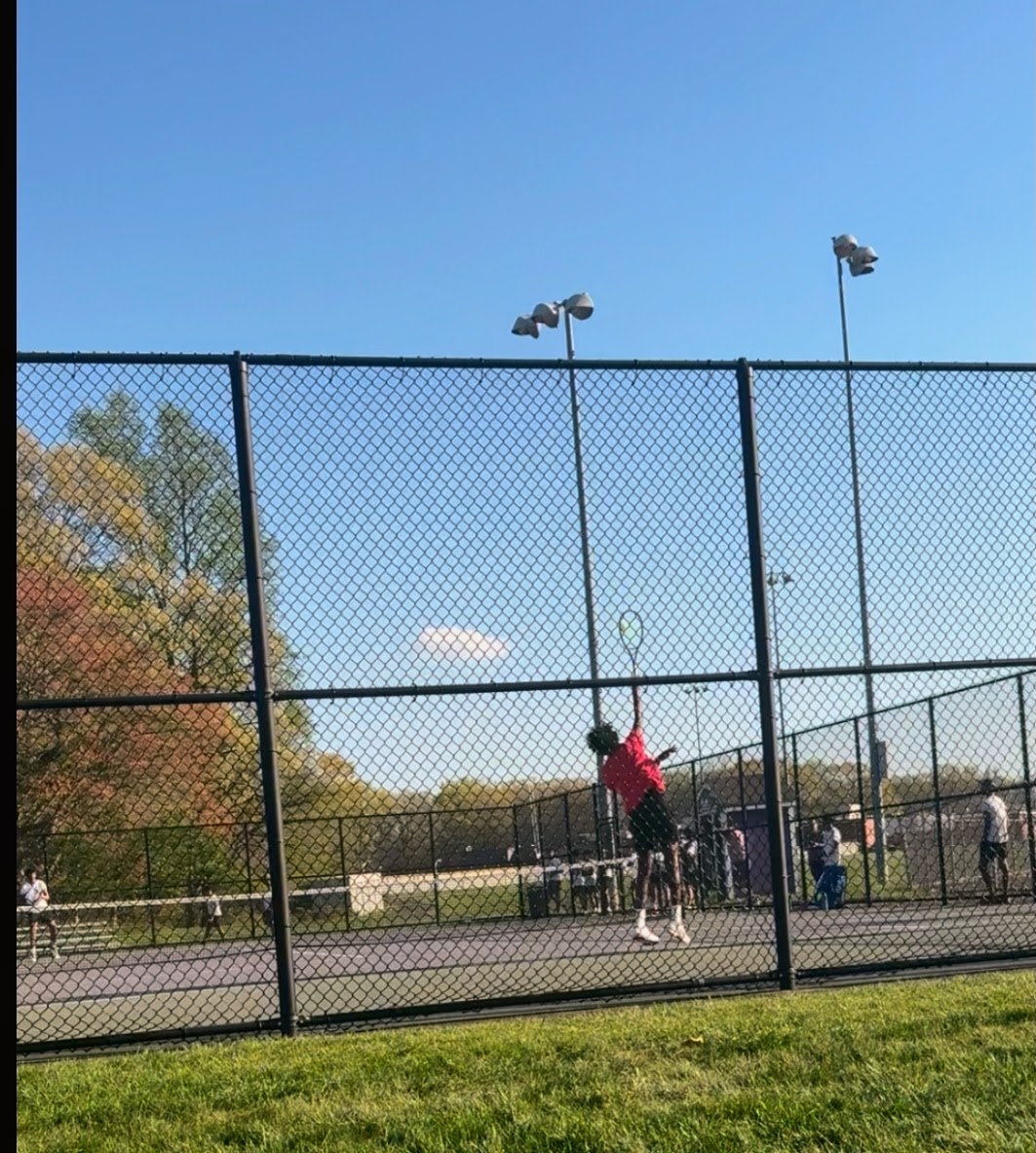
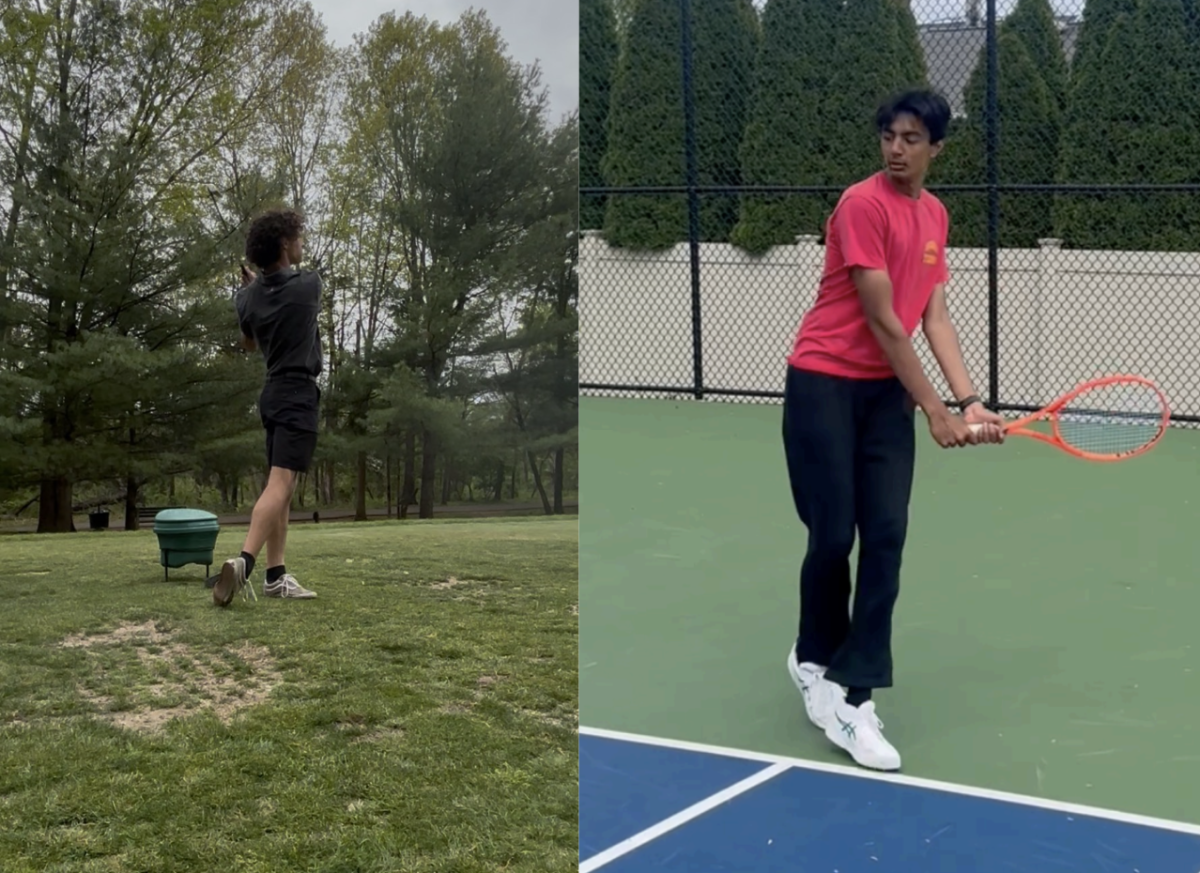
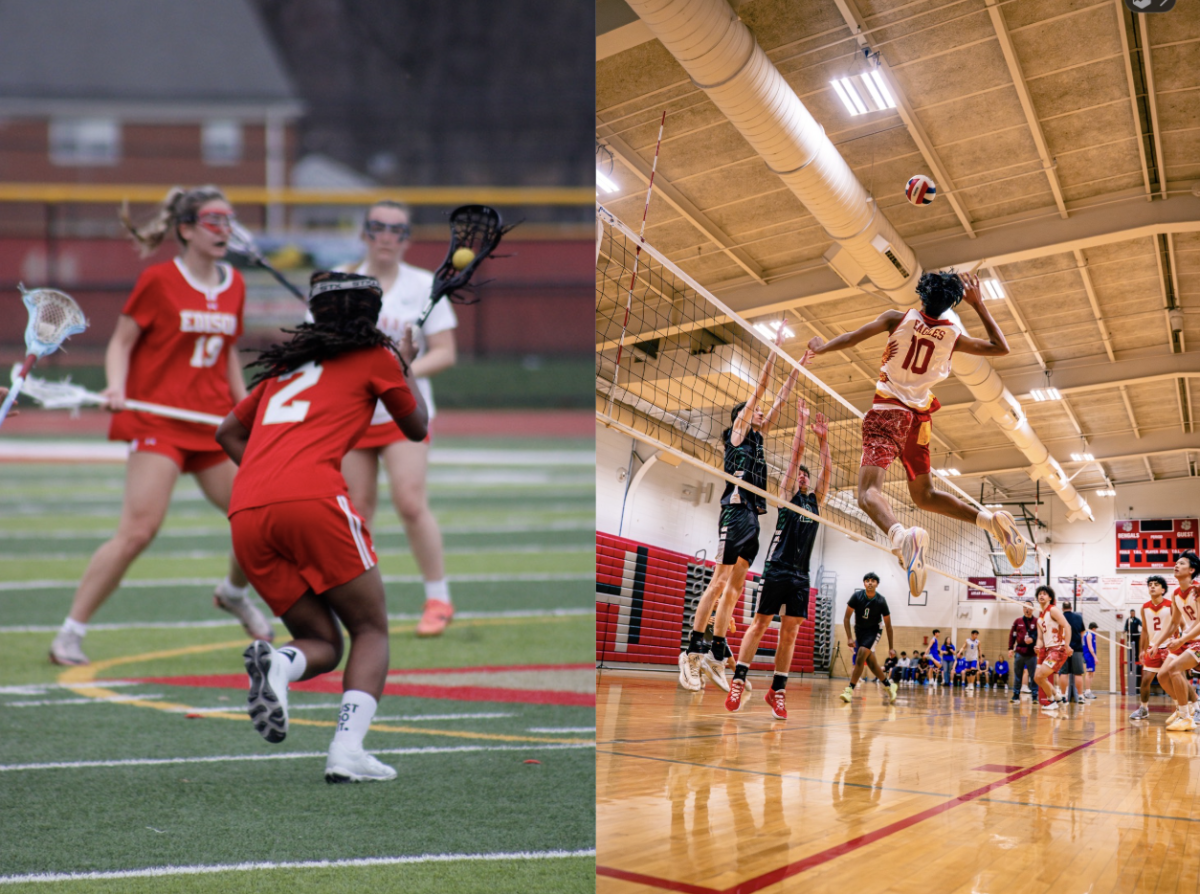
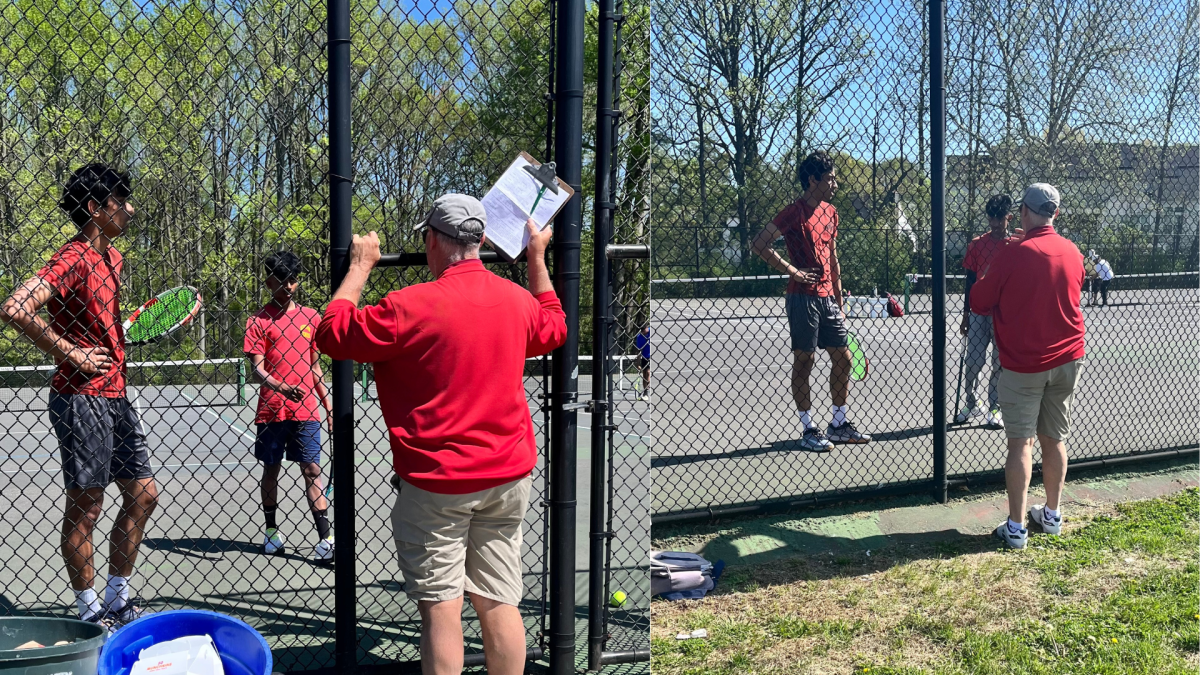
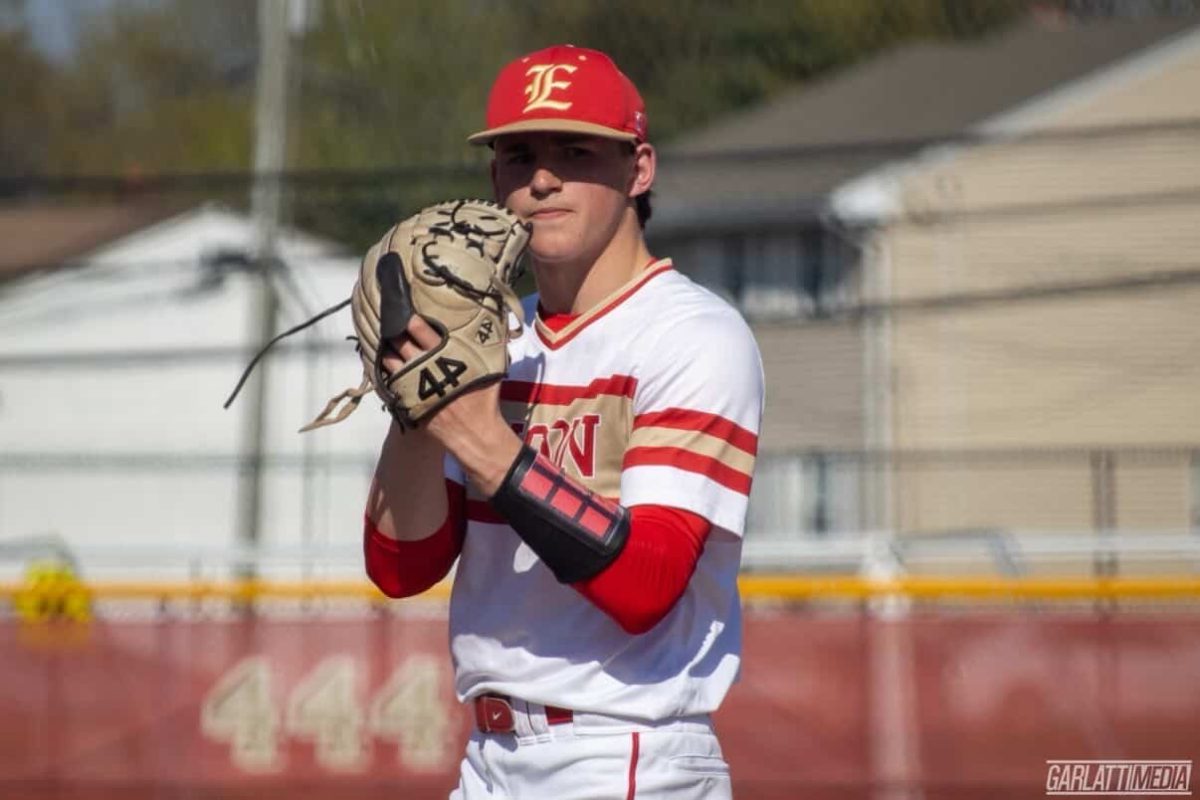
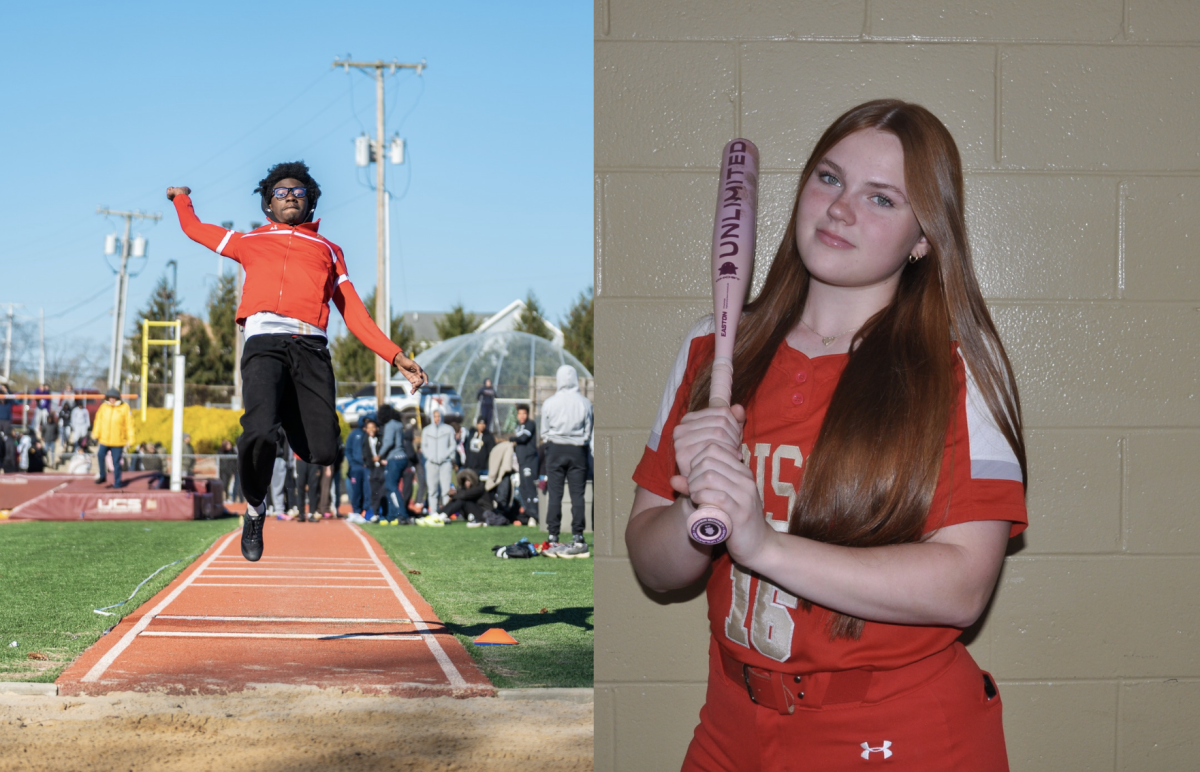
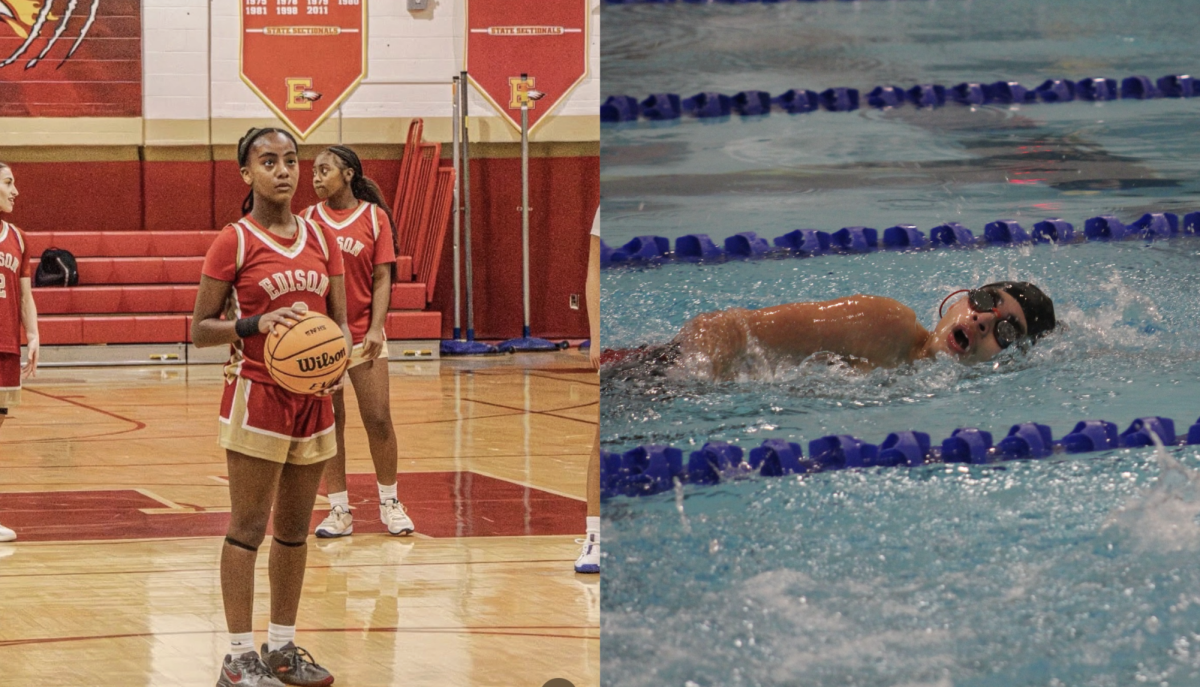

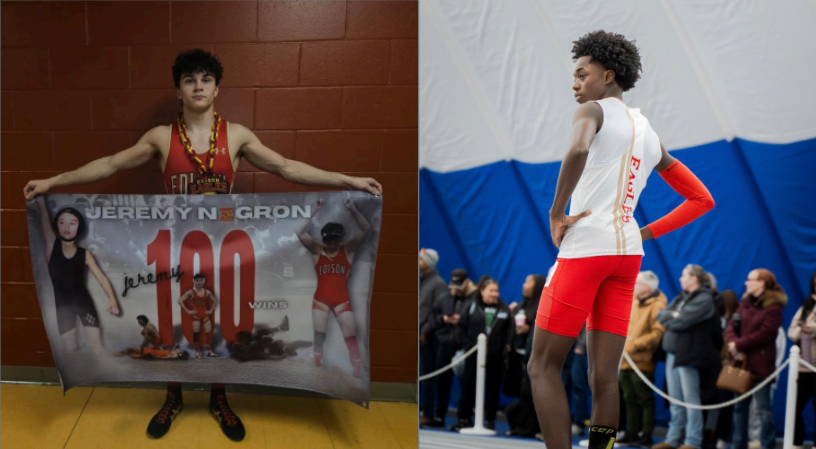
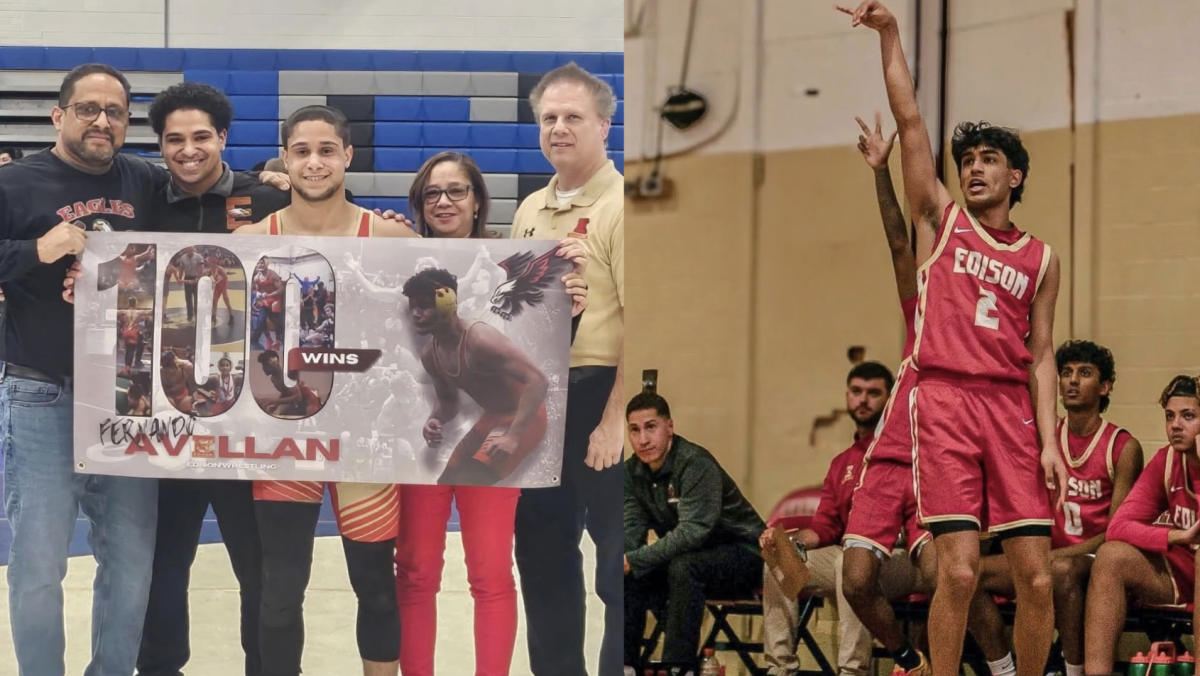
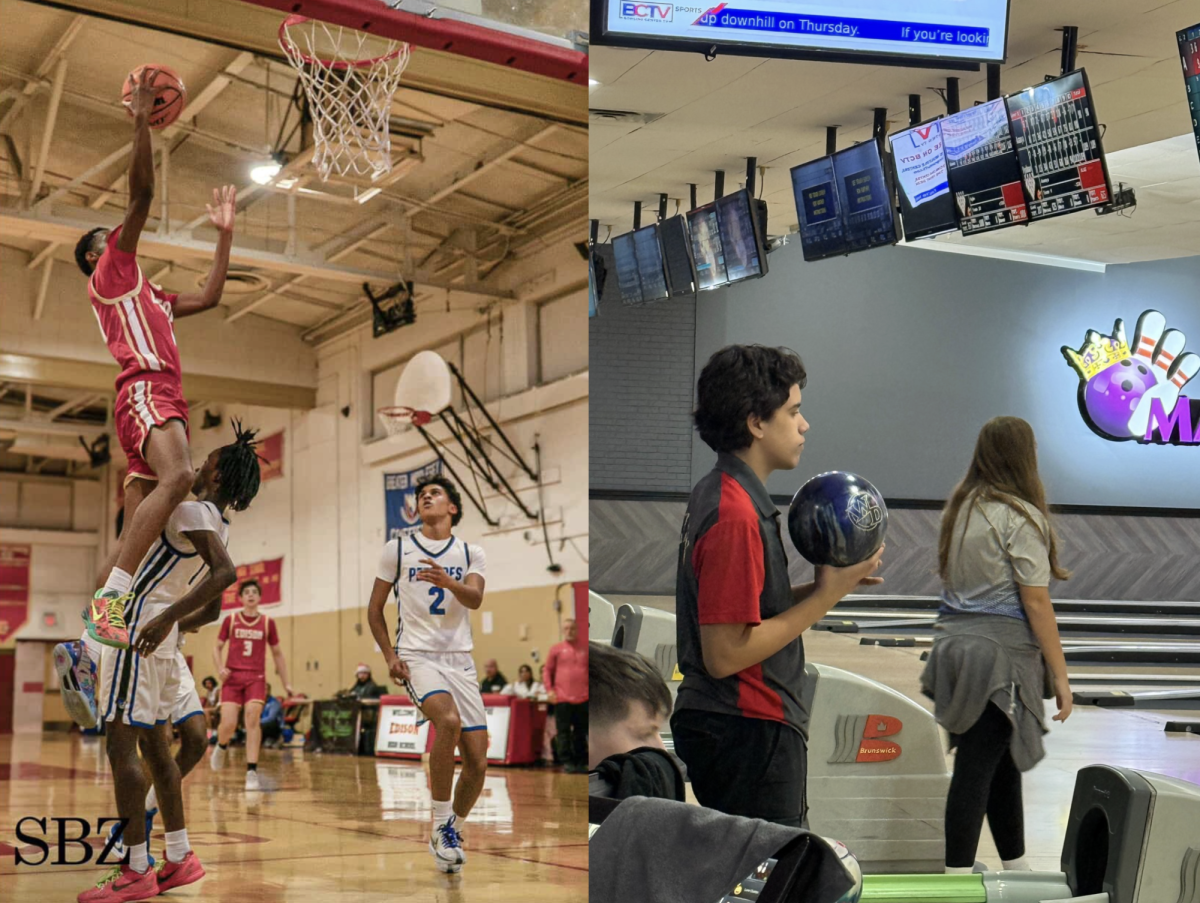
For Edison High athletes in today’s sports-focused world, success means going through consistent, hard work day in and day out. From a challenging block on the football field or a hard-fought game of tennis, athletes deal with daily, physical wear and tear.
But playing hard comes with an increased risk of injury, something that can keep even the toughest of Eagles sidelined for months, and turn what was anticipated as a phenomenal season into a long period of frustration on the sidelines. With all things considered, learning to cope with the unexpected is a necessary part of being an athlete.
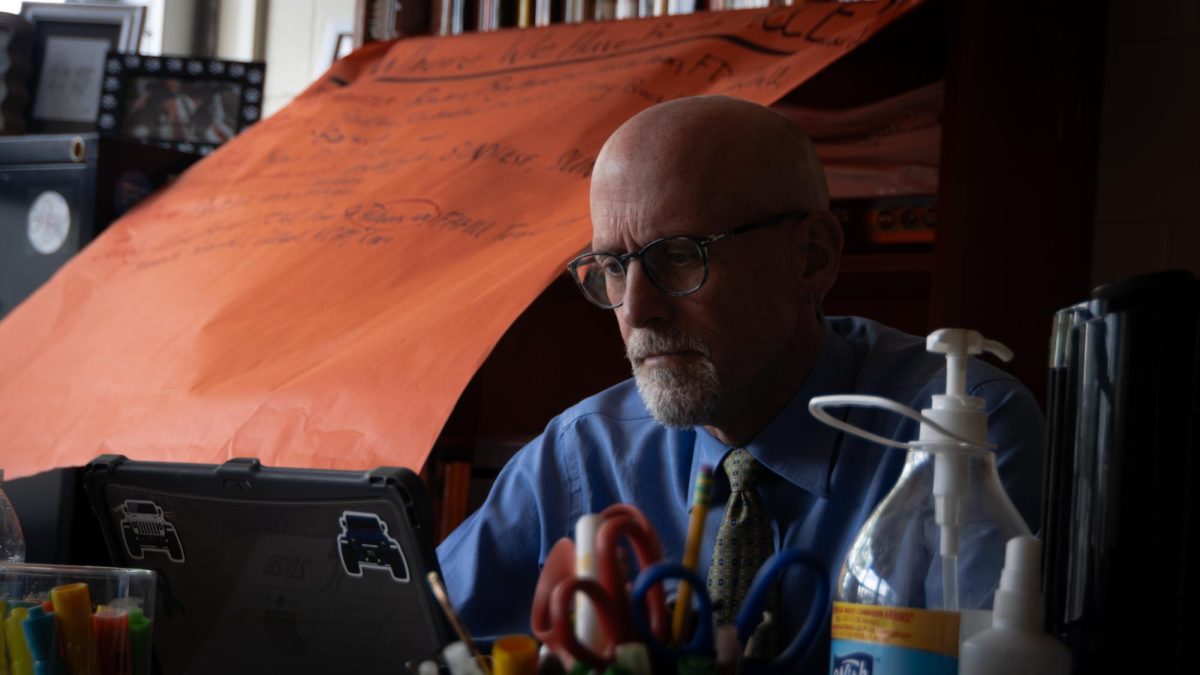
Edison High’s Certified Athletic Trainer, Mr. Timothy Root sees this increase in injuries peak at specific times of the year.
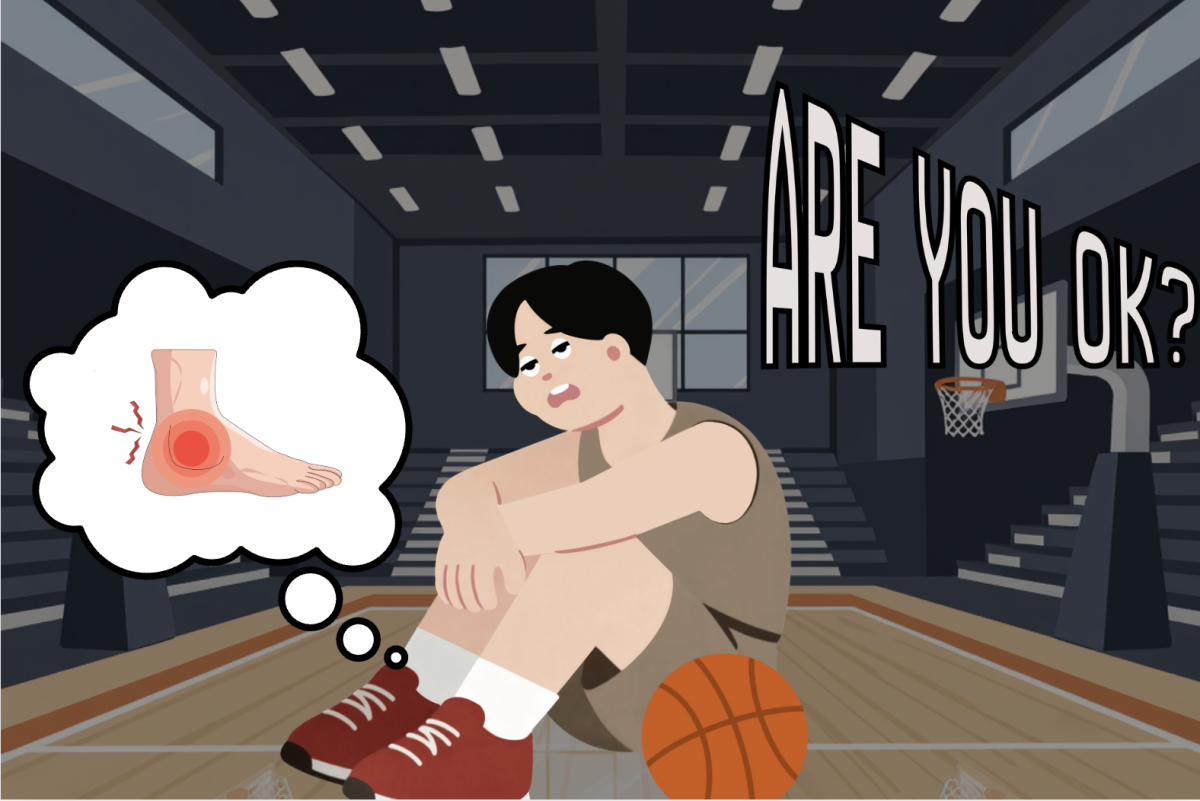
“I see a lot of ankle sprains and shin splints,” said Root. “These are most common because athletes are dealing with high amounts of practice and are sore, and wear down toward the end of the season.”
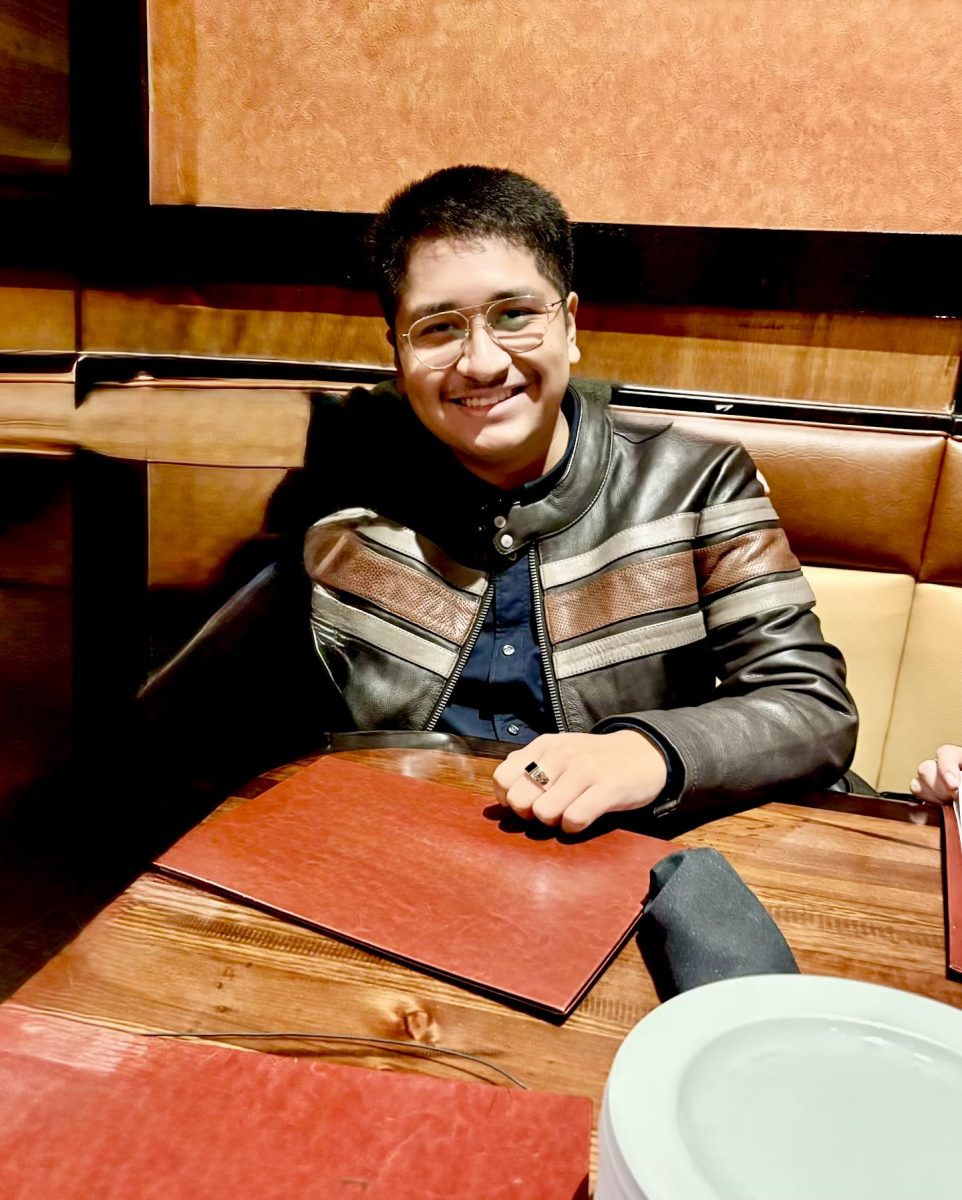
While people normally associate athletic injuries with broken bones and torn ligaments on a field, many highly aggravating injuries, in fact, happen in the water. Accidents in the pool can halt an athletic season just as much as sprained ankles. “During my time swimming, I’ve had several incidents, from painful ear infections to physical collisions in the pool lanes. Once, an ear infection prevented me from comfortably being in the water,” said Ilyas Guliyev ‘28. “Later on, I was also accidentally struck square in the eye by another swimmer during practice, which ended up giving me a black eye.” In a crowded pool, a moment of mistimed precision has the power to ruin a swimmer’s rhythm. From dealing with an uncomfortable infection to avoiding close contact in the water, athletes must understand that prevention starts the moment they step into the facility or field.
Veteran athletes, especially, are accustomed to seeing injuries as an inevitable part of their journey. The frustration they bring is often much worse than the physical pain of the injury itself. Because of that frustration, being an Edison athlete, the hardest transition is balancing the desire to compete with the physical need to heal.
“I was dealing with tennis elbow around two years ago, keeping me from playing tennis for six full months,” said Ayaan Patel ‘29. “One of the most challenging parts of recovering was knowing my body must be ready for tennis when I returned. However, during this time I was able to work out in the gym and run on the treadmill to be ready for when I returned to the courts.”
Patience and flexibility often come hand-in-hand in managing a long-term injury.
“It can be really annoying, but it’s important you make the most out of it,” said Patel. “Keep yourself informed with your doctor so they can give you the right plan.”
Minute injuries can also ironically present athletes with a difficult dilemma that often requires altering their daily routines. Your body is automatically trying to avoid pain by redistributing your body weight or altering your posture, creating problems for the body that can potentially cause further and maybe deeper injury somewhere else.
Contact sports athletes who require much whole body coordination have an extremely high risk for developing these specific types of injuries. For soccer players, where most of the emphasis is on an athlete’s legs, a minor upper body injury, such as a shoulder strain, could be an irritating issue to manage.
“I had to deal with a small shoulder injury during a soccer season that was a bit of a struggle for me,” said Prayagkumar Patel ‘26. “It wasn’t anything major, but it was frustrating because you don’t realize how much you use your upper body for balance and positioning until you’re dealing with a bit of soreness. I had to be smart and realize that even with something minor, sticking to the recovery plan was the quickest way to get back to playing at 100% for the team.” While getting cleared by a doctor may seem like the end of the process, the real challenge that one must get through is the psychology involved in trusting your body again. While many student-athletes are good at reporting discomfort and pain, some need to be saved from their own competitive spirit.
“These are the ‘two-percenters,’ I call them — the athletes who will compete until their body falls apart or run through a wall to win,” said Root. “As an athletic trainer, you have to protect the athlete from themselves, reminding them to be smart and aware when pain is just part of every sport, and when pain is a sign of injury.”
After suffering an injury, regardless of how major or minor it may seem, taking the plunge into the water or running after the ball needs both personal commitment and time. Building this patience, however, requires looking at the larger picture, which Root emphasizes goes beyond just physical rest.
“Build athlete self-awareness, learn your body, and protect your mental health too,” Root advised. “Take recovery seriously using stress management, nutrition awareness, proper hydration, sleep habits, and off-season strength and flexibility training. Be consistent.”