










































































The thrills, the actions, and the suspense—all important components of a captivating and memorable film. Everyone loves to sit at the theater and watch a movie that pulls out all the stops and provides an unforgettable experience to the viewer. Few other films accomplish this with such vibrance and spirit as the cinematic classic Scarface.
Directed by Brian De Palma and written by Oliver Stone, this 1983 remake of the 1932 original of the same name stars Al Pacino, Michelle Pfeiffer, and Steven Bauer. The film chronicles the rise and fall of Antonio “Tony” Montana, a Cuban immigrant who comes to America and builds a drug empire of opulence and gold, but whose own excess and greed become his undoing.
While the film has become a cultural icon, behind the surface, Scarface is also a captivating case study of finding real richness in your loved ones, as well as an overview of the drug epidemic that swept across the U.S. in the 1980s.
In April 1980, Cuban dictator Fidel Castro opened the port at Mariel Harbor to allow citizens to leave the country. Over 125,000 refugees would set sail to America in search of a better life. One of these people who washed up on the beaches of Miami was Tony Montana, an ex-Cuban soldier. Taking to the streets with his friend Manny, he soon becomes one of the largest drug lords in the country. However, as the money and power go to his head, Montana becomes hotheaded and erratic through his cocaine addiction. His own irrationality and cockiness would become his ultimate downfall.
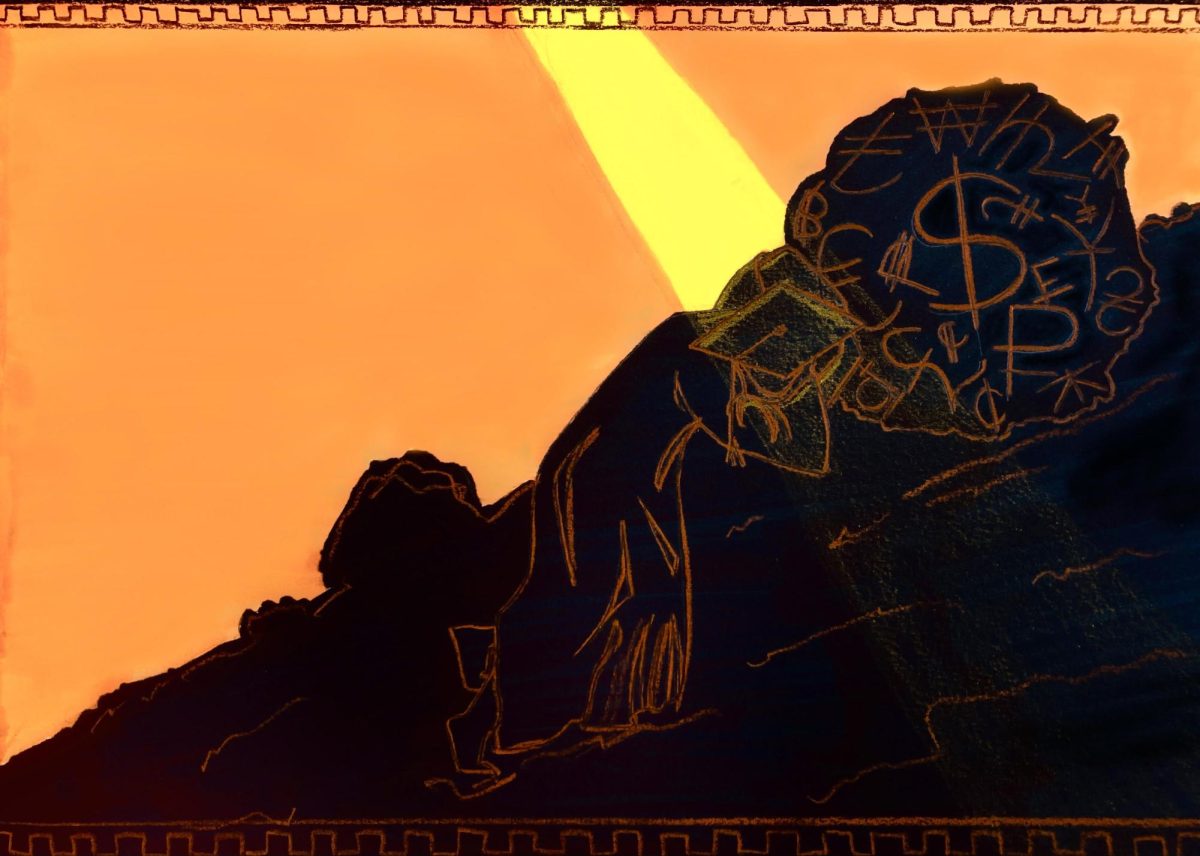
Although Tony Montana has become the symbol of the “self-made” man, the film makes it clear that materialism does not bring him true happiness. Instead, it does the opposite, leading to the disapproval of his mother and a loveless marriage with his trophy wife, Elvira. The opulent mansion and free-flowing money do not fill the emotional hole in Tony’s heart, and the adrenaline and dopamine rushes he once got from his escapades have changed into feelings of boredom and melancholy. Through his experiences, the film makes a subtle but powerful statement: All the riches in the world can’t replace the comfort and joy that one’s family and friends bring. True wealth doesn’t come from the crinkling of a bill but from the warm embrace of a loved one.
Scarface also serves as a study into the state of U.S. society during the 1980s. The drug trade and underworld of the era amplified paranoia surrounding drugs and fueled anti-drug campaigns like D.A.R.E. and then-First Lady Nancy Reagan’s “Just Say No” initiative. Ironically, at the same time Tony was building his drug empire, the CIA and the Reagan administration allegedly turned to drugs in raising funds for the Contras, a rebel group in Nicaragua, who in turn trafficked cocaine to the United States. Tony calls out this hypocrisy in the film, arguing that bankers and politicians who are the real criminals, and that his kind of people were “small potatoes” when compared to the U.S. government.
Tony’s self-awareness points out the facade of the war on drugs and the two-faced nature of many politicians, who make scapegoats out of everything and everyone to distract the public from their real intentions. In the 1980s, while thousands of African Americans and other marginalized groups were jailed for drug possession and died from drug usage, politicians and those in the echelons of power profited from their suffering. As Tony says in the film, “I always tell the truth, even when I lie.”
Scarface has remained a cultural icon for over four decades through its action-packed scenes and quotable moments. It inspired games such as Grand Theft Auto: Vice City and inspired songs from artists like Future and Agust D of BTS. Tony Montana has remained an influential figure in American pop culture, serving as a modern Shakespearean tale against greed and falling for your worst impulses. He is the embodiment of the phrase “Not everything that glitters is gold”; he gains the money, power, and respect he desired, but nothing could have ever purchased the joy of love and familial comfort.
He went out in a blaze of glory, but his drug empire died with him, reminding the audience to never build castles from sand instead of rocks.