







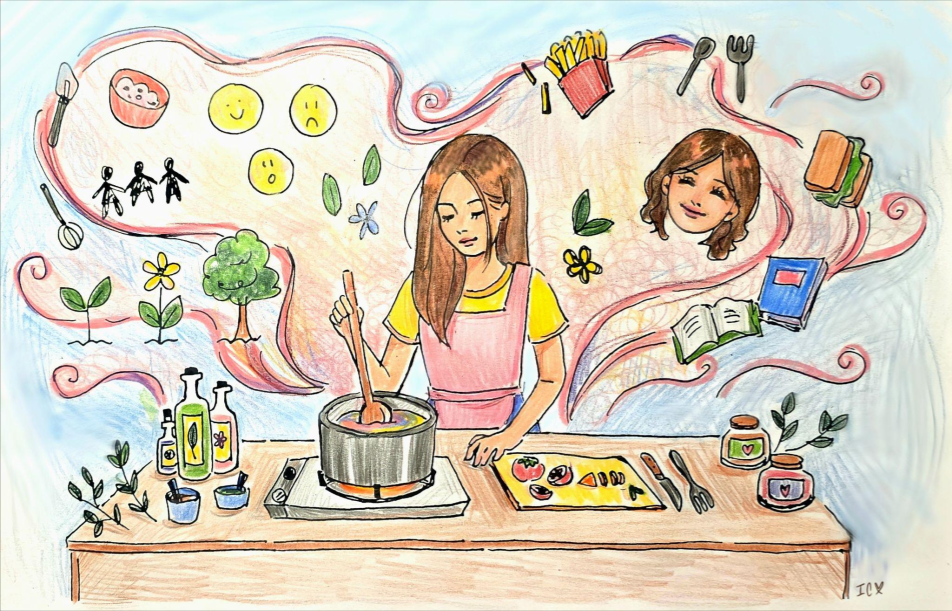










































February 3 2026—When first planting a garden, many people do not plan for the unexpected. They expect to grow a beautiful flower or crop, one to keep them company, but they do not account for the deer that eat the crops nor the commitment to keeping the plants thriving, which just might include watering every day at 6 AM. They do not realize how much gardening tools cost. The young plants have to be trained, a special process called plant husbandry; older plants must be kept watered, pruned, and monitored for any issues.
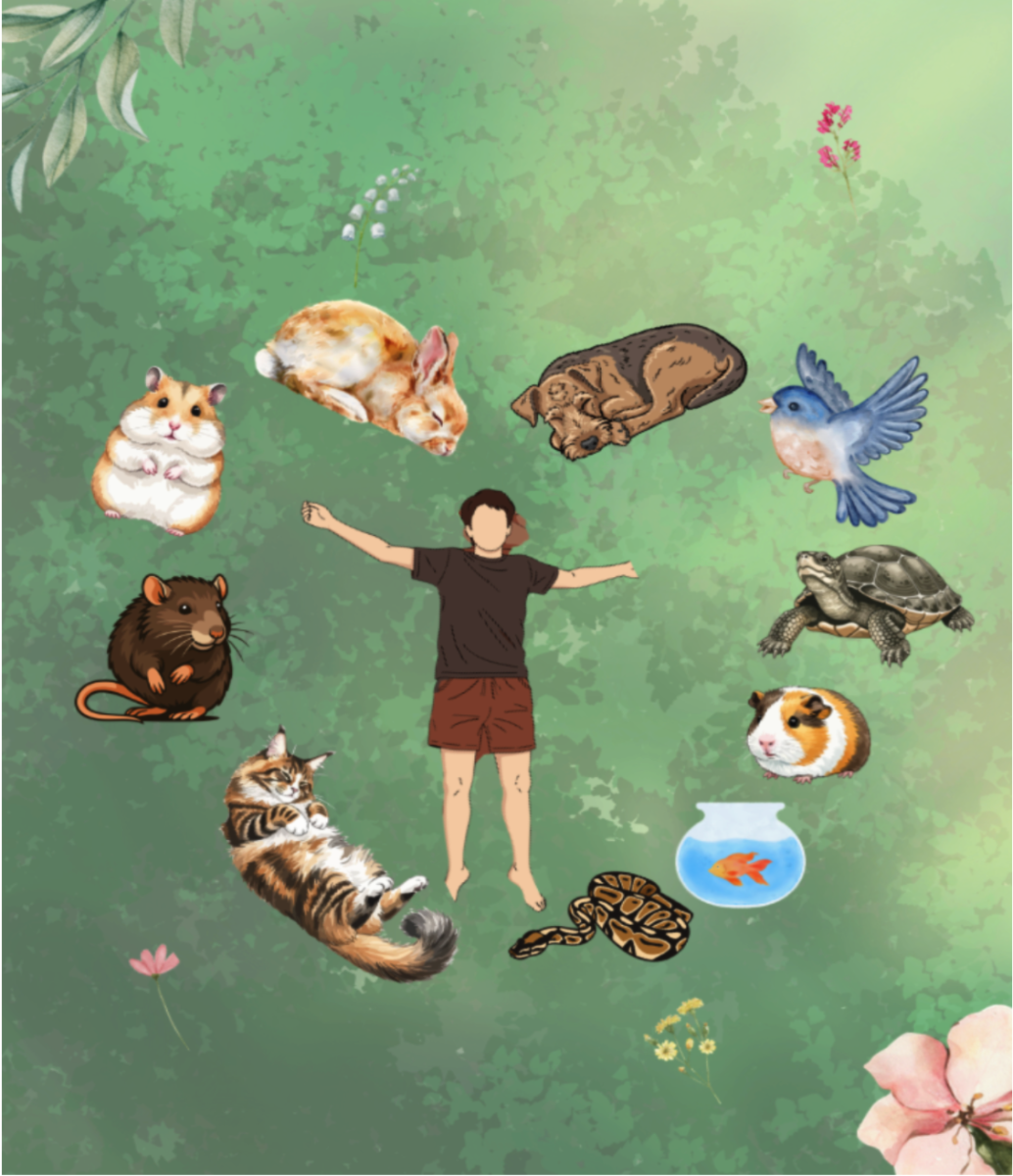
Just like planting a garden, getting a pet as a teen can be an adventure. There is a lot to be unexpected–grooming, vet bills, collars, and food. However, owning a pet as a teen can also teach positive habits, such as responsibility, empathy, and emotional regulation.
According to Dr. Sheryl Ziegler, who participated in the 2018 Proceedings of the National Academy of Sciences, or PNAS, Journal, “Kids will tell dogs their secrets, talk to them, and dress them up. It gives them easy entrée into a playful, creative, imaginative, social world.”
“The best part would be hanging out, having quality time,” commented Christian Dickson ‘27.
In a 2012 study released in Frontiers and Psychology., petting animals was also linked to the release of oxytocin. This release of oxytocin, also known as the love hormone, reduces stress and increases feelings of contentment, improving teens’ overall mood and helping them take a break from their busy lives.
However, there is also much that teens can’t control when it comes to pets—for example, vet visits. An adult is often needed when it comes to authorization, payment, and major medical decisions. They limit how much responsibility teens are actually able to take on, even if they spend the most time with the pet.
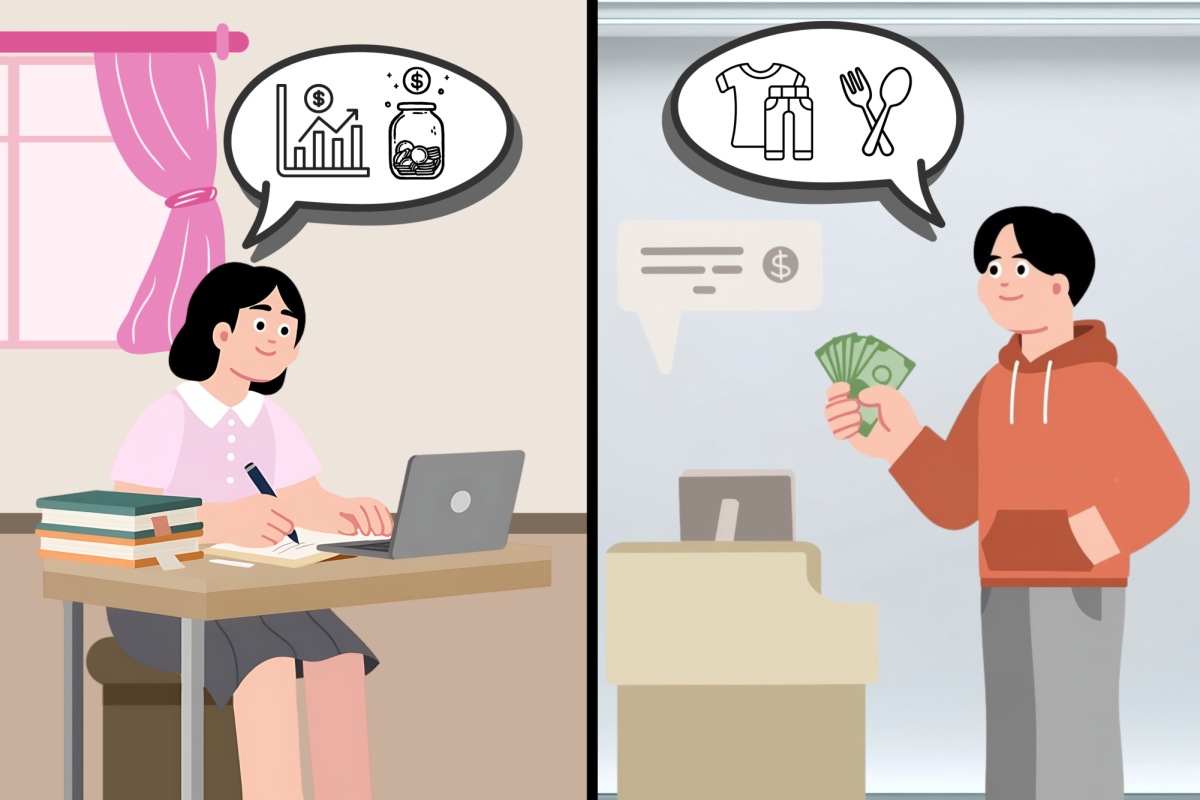
There are more downsides. Caring for a pet can be expensive, from grooming and food to supplies like a bed, leashes, and food bowls. Pets also require a lot of attention and time, which can be hard to balance with school work, after-school activities, sports, and family responsibilities.
For some, introducing a pet can also mean saying goodbye to personal space and privacy.
“I can never have time for myself; she wants to be everywhere I am,” said Tiffany Aguilar ‘30.
Other habits that can cause stress are chewing or scratching belongings, unexpected messes, and training. These behaviors can interrupt homework, sleep, and free time, making it harder for teenagers to rest and relax after school. Even small inconveniences, like knocking over breakables or play-fighting, should be a consideration.
“Look into which pet and what tendencies they might have,” advises Dickson.