








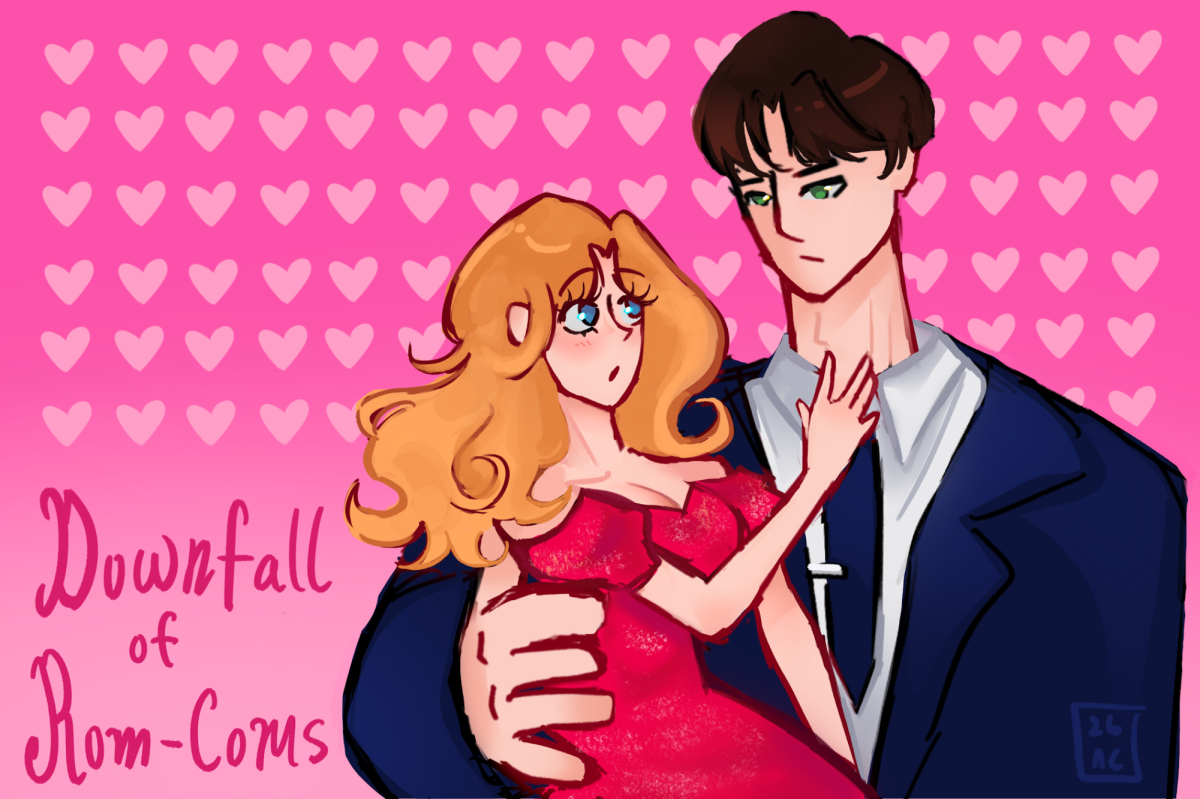



























The 90s through the 2000s are arguably the best years for romcom movies. This era simply has some of the best ones—How to Lose a Guy in 10 Days, 10 Things I Hate About You, The Proposal (even if it’s at the edge of that range), The Notebook. These films are just some of the classic romcoms that we all know and love. Why so? Because the 90s–2000s romcoms actually mix the “rom” and “com” qualities that attract viewers and make them whimsical unlike today’s romcoms, which lack the wit and romance that made 90s–2000s romcoms timeless.
One of the major reasons 90s and Y2K romcoms are so timeless is that they focus on a single love interest, allowing audiences to connect with that character and support one love interest rather than dividing audiences between two. Think of the classic romcoms, like the ones mentioned above or others; they have one love interest that the audience roots for. Compare that to the “romcoms” present today.
One of the biggest examples is The Summer I Turned Pretty. Though not a traditional romcom, the show features a plot centered on romance where the main girl has to choose between two brothers. As the final season premiered, all audiences talked about, or more like debated about, was who the main character, Belly, should end up with. Instead of focusing on the drama or the plot, the audience focused on who the endgame was and why their pick is right.
Classic movies like 10 Things I Hate About You, Clueless, etc., are centred around developing a true, heartfelt story and a plot centred on two characters, allowing them to focus on the development of specific characters instead of trying to develop three or more stories and subconsciously losing the plot along the way.
To give credit where credit is due, one of the few modern rom-coms that I consider worthy of the hype is To All the Boys I’ve Loved Before. The plot, diving into the love story between Lara Jean and Peter Kavinsky, focuses solely on these two characters over the course of three separate movies, each of which developed the characters and their relationship altogether. Their relationship starts unconventionally, however, that is what builds the anticipation and excitement for the resolution, keeping audiences engaged and watching.
Adding onto a common problem modern movies face—faulty character development—the main characters of throwback romcoms actually had lives outside of the romantic plot. Andie from How to Lose a Guy in 10 Days was a columnist whose only interest at first was seeking a fake relationship with Benjamin for her article to drive her career forward. Moreover, Kat from 10 Things I Hate About You didn’t even want to date Patrick at first. She was always herself, and was always very outspoken. Similarly, Viola, from She’s The Man, dressed up as a man solely to play on a men’s soccer team to prove that women athletes are just as capable as men are.
My point from these examples is that the love interests of these throwback romcoms had genuine lives outside the central romance plots. They had real careers, aspirations, goals, and you actually knew who they were. They weren’t just clichéd characters solely focused on romance with actors who merely recited their lines.
How many times have you opened social media after watching a modern romcom, and the majority of viewers shared the same dislike for the main character? Think of Elle Evans from The Kissing Booth. The majority of us who actually watched that movie agree that it was cringy. Even Tessa Young from the After series has raised discussion on whether her character was the actual toxic one.
Unlike those cringy moments, throwback rom-coms have many iconic moments that people continue to adore and draw inspiration from. How to Lose a Guy in 10 Days has the iconic moment of Andie dancing to “You’re So Vain” by Carly Simon in her yellow dress. Today, women seek that iconic yellow dress and recreate that moment whenever finding a dress even remotely close to Andie Anderson’s. 10 Things I Hate About You has the famous “Can’t Take My Eyes Off You” scene with Patrick that is constantly recreated today for promposals. Or the “how can she sit there, and laugh, and look so beautiful” audio from Flipped that became trendy and has been used even when not referring to the movie.
The reason modern romcoms just don’t have the elements that make them special and timeless is because they lack truthful emotion and intentionality. With throwback romcoms, you’re witnessing people with shaped lives who cross paths and fall in love. In modern romcoms, you’re simply watching actors act out a clichéd and cringy romantic-comedy movie. I do believe that any modern romcom can have the same timelessness and weight to it if done right, but, right now, they just don’t.