






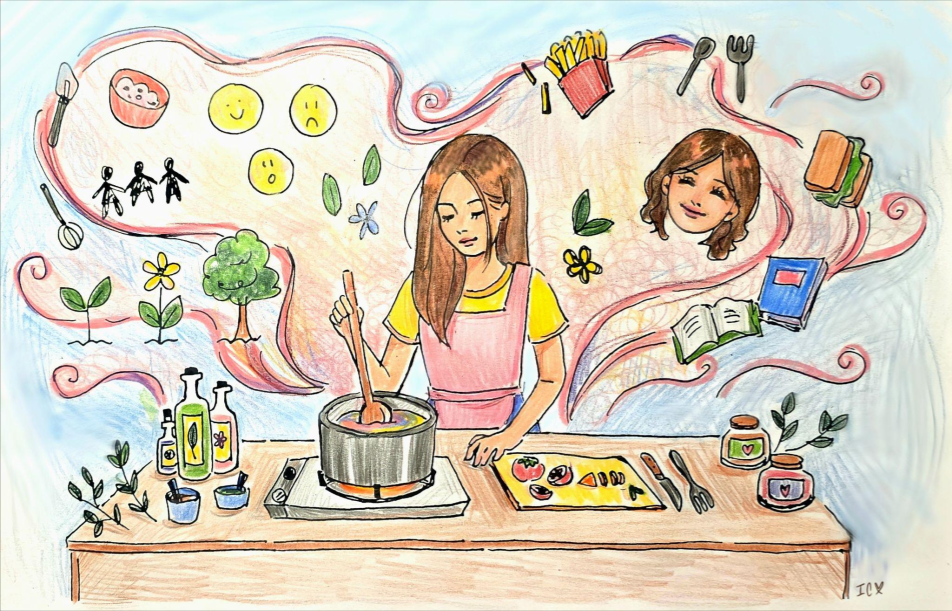

























When I was growing up, my mom and grandma always tried to teach me how to cook. At first, I found it annoying and too much work– sometimes I still feel that way. I would lean against the wall and stare at them, barely listening to them telling me to add a teaspoon of this and a dash of that. During one particular lesson for the rich, spicy, dark brown mole sauce I drowned my pozole in–a stew made using hominy, chicken, cabbage or lettuce, and many other garnishes–I angrily stared at the pot while my mom told me which dried peppers to add and how to correctly cook them so it came out tangy but delicious, spicy but not overpowering. I would cover my nose, the peppers as acrid as my thoughts: “Why do I have to know this now? I have the rest of my life for this.”
I, in fact, should have paid more attention. In the past few years, so much has changed, and I yearn for the feeling of being called to the kitchen and being told, “Mira y aprende, pon mucho cuidado, Génesis.” Watch and learn, be careful, Génesis.
I have since moved away from my grandma, and my mom has become busier than ever. No more freshly made home-cooked meals await me when I get home. I can’t ask my grandma to teach me a dish the way she makes it because it “tastes better,” and I can’t call them to interrupt their busy days and ask how many cups of water I need for a recipe, a recipe that is not written but held in the heart.
Over time, I have realized cooking is truly very useful. It’s not only food, but a skill that unites, a form of art that teaches you what no other school lesson can. I could make food freely instead of waiting for my parents to prepare it and cook different meals if I did not want what was made for dinner, teaching me independence along the way. Having to wait for meals to cook to perfection and measuring ingredients taught me patience–and that fractions really are needed in the real world. Learning how to cook became more than just a chore; it became an important life skill that helps prepare us for adulthood.
Looking back, I realize how important cooking skills are for kids and teenagers, and I value the skills I have learned–I believe more parents should value culinary skills for their children, as it not only cuts back on their workload but also prepares children for life. The culinary arts teach more than what seasonings to use, how to properly dice, chop, and julienne: It shows us how to develop the skills we will all need when it comes to taking care of ourselves.
According to Leah J, a Registered Dietitian Nutritionist and writer for The Chopping Block, “children who cook are more open to tasting unfamiliar foods.” But why is this a good thing? As children grow, it is important that they learn to accept new textures, smells, and tastes in food. In other words, it’s not just sustenance–but a way to explore cultures, history, and ourselves. It helps children grow into adaptable adults who are more willing to try new experiences both in and beyond the kitchen. Being picky can affect people as they age because it can limit their willingness to try unfamiliar foods and social experiences, making it harder to adapt in social situations, to appreciate different cultures, and to develop an open-minded attitude. The ability to step out of one’s comfort zone is important because it is often where growth comes from. Being comfortable with the uncomfortable is a life lesson we all have to learn to accept as we mature.
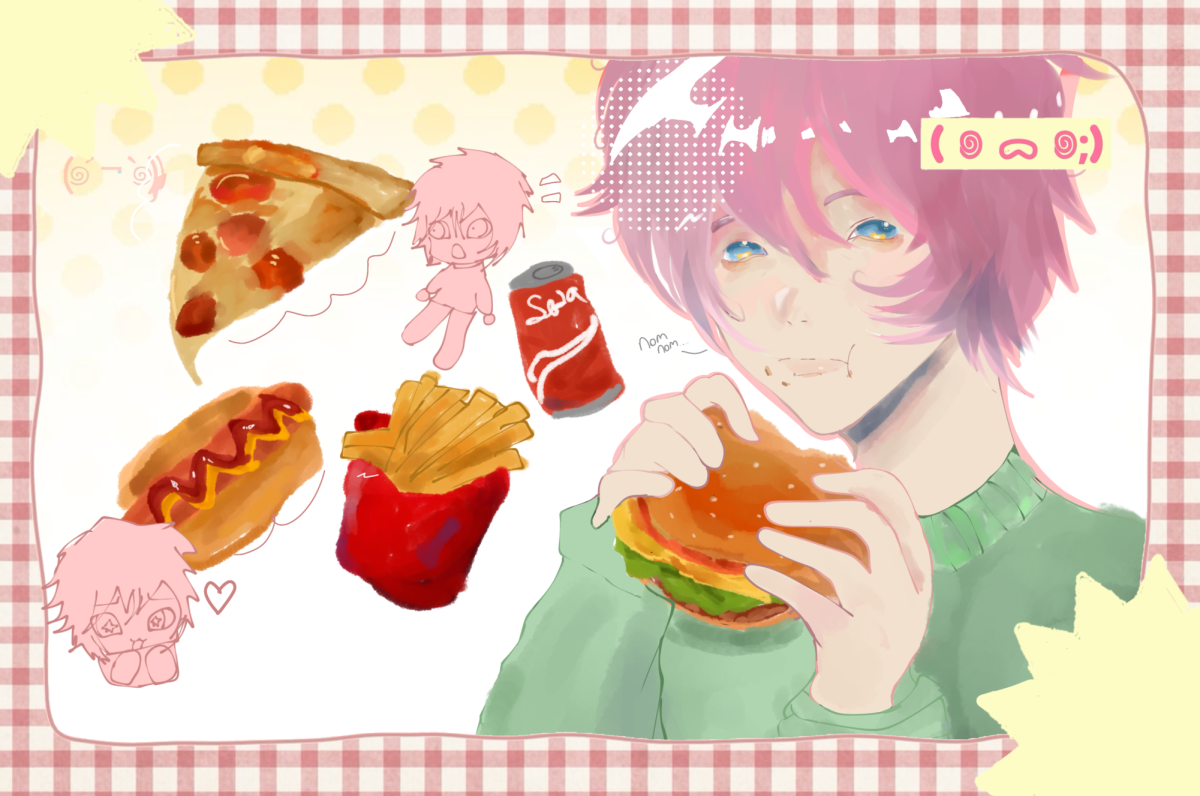
I can tell a notable difference between my siblings and me. While I cook and am more open to trying new things, foods, and experiences, my siblings, who do not like the kitchen, tend to stick to routine chicken nuggets, fries, and sandwiches. From their limitations, I learned it’s good to be more receptive rather than closed off, and I learned through cooking. I believe many other kids and teens could afford to learn the same lesson I did.
Just as important, math comes into play too. Cooking can help “introduce ideas like quantity, size and early fractions or parts,” advises Texas A&M University, showing that the kitchen can be an authentic environment where children can develop important academic and problem-solving skills. They’ll have hands-on experience with adding fractions, using measuring spoons, and perhaps scales, all of which are hard to fit into everyday lessons in the classroom. Learning about serving sizes and healthy quantities of food can encourage healthy eating habits, which help children continue to eat nutritious and strong foods. These habits are important because they support the growth, energy, and overall well-being of children as they get older, helping them make healthier choices on their own in a world where apps like DoorDash, Uber Eats, and Grubhub encourage unhealthy choices of fast food, money spending, and indolence because they lack kitchen prowess.
Beyond health and independence, cooking can also strengthen family relationships. Spending time with parents, siblings, or any other adults in their life in the kitchen can be an opportunity to communicate, cooperate, and create great memories. In my life, many of my favorite memories come from the kitchen. Whether I was preparing chilaquiles for breakfast or exploring new techniques or dishes, like how to finally flip tortillas by hand and make red rice, cooking encouraged me to communicate with whoever I was cooking with–an important habit you must have in cooking, specifically baking, as it is more precise and detail-heavy when compared to cooking. However, this is one of the unexpected advantages of the culinary arts. It takes time and patience to prepare dishes like tamales, carefully spreading the masa on the husk or banana leaves, adding the filling, and wrapping each by hand while carefully making sure none spills. Steaming them for hours is a tricky process–it is hard to know when everything inside is fully cooked but not overcooked while they are inside the leaves. While some may argue that parents are too busy to cook with their children and ordering food is quicker and easier for working parents, many do not realize that even simple meals or small kitchen tasks can help families bond while teaching children valuable life skills that convenience apps and frozen meals do not provide.
Cooking creates more than meals–it creates memories, traditions, and relationships that families pass down for generations. In my family, one recipe that reflects these values and reminds me of the connection cooking can bring is Pozole. In the spirit of love and unity, I share it with you below to make with your family:
Pozole
Ingredients:
- 1 pound of giant white corn
- 1 pound chicken breast (or 2-3 chicken breasts)
- 8 large garlic cloves
- 1 ¼ white onion
- ¼ tsp oregano
- Salt (to taste)
- Cilantro
- Water
Recipe:
- Soak the giant white corn in water for at least 4 hours.
- Remove the dark tips from the corn kernels with a knife.
- In a large pot, add 2 gallons of water and the giant white corn. Cook on medium heat for about 3 hours.
- In a separate pot, add the chicken breasts with ½ gallon of water, ¼ onion, 3 garlic cloves, salt, and a few sprigs of cilantro. Bring to a boil on medium heat.
- After about 20 minutes of boiling, remove the chicken breasts and place them in a bowl.
- Strain the chicken broth into the pot with the giant white corn.
- Add the remaining whole onion, 5 garlic cloves, ¼ tsp oregano, and salt to taste. Continue boiling until the corn is soft and starts to open.
- Shred the chicken breasts and add into the pot, mix with the pozole. Mix well and serve hot. Enjoy!
Toppings (optional):
- Lime
- Diced peppers
- Cabbage or lettuce
- Diced radish
- Mole