








































































Our society is built on honesty and truth. These principles shape our character, influence our relationships, and create a moral and ethical example to others. However, some institutions thrive on dishonesty and deceit, and speaking up against them will put a target on your back.
In the early 1970s, a man faced this reality. He faced blackmail and intimidation, seeing his attempts to pursue justice squashed by the powers that be. He was determined to defend righteousness and fight for justice, despite the odds and dangers against him.
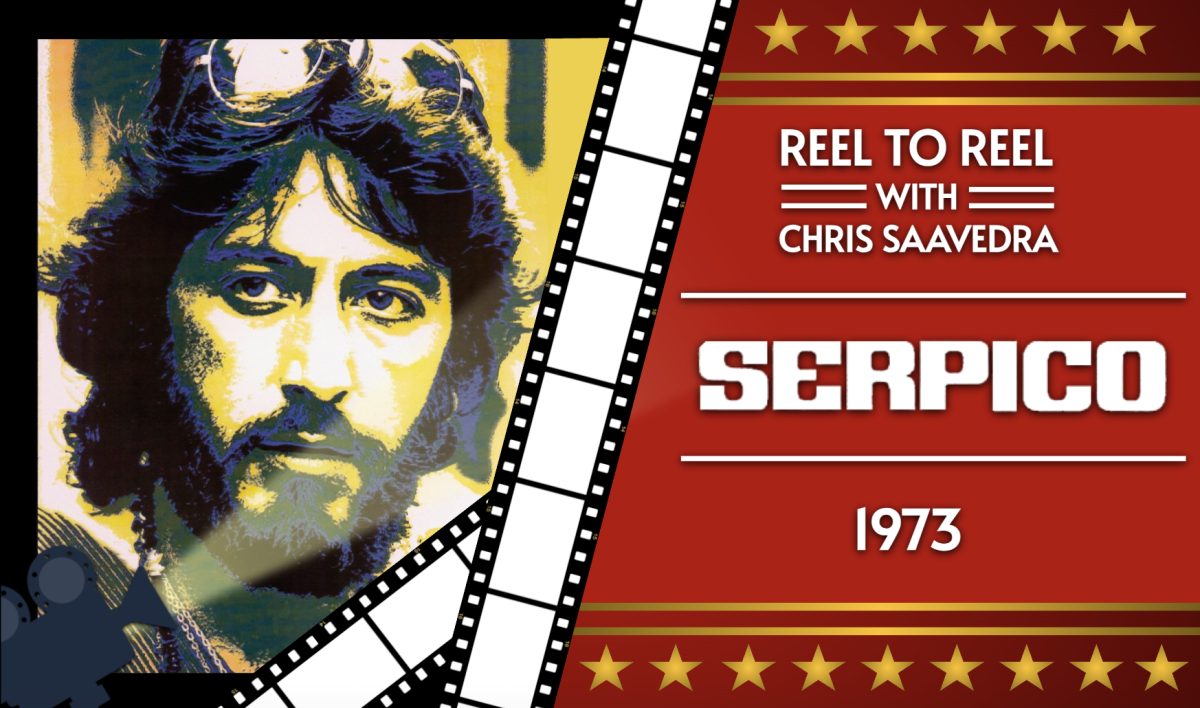
This is the background for Sidney Lumet’s 1973 biopic Serpico. Starring Al Pacino, the film is based on the real-life story of Frank Serpico, a New York City police officer who risked his life to expose rampant corruption in the New York Police Department (NYPD). Despite facing isolation, depression, and even being shot, he continues to strive to reveal the truth. His story is a gripping message on the importance of defending honesty against oppressive authority.
Serpico is a young officer fresh out of the police academy, striving to make a positive impact on society. However, he enters a police force riddled with extortion rackets, drugs, and quid pro quo corruption. He tries to report these activities, but the force dismisses and threatens him. Even after a sting operation nearly kills him, Serpico testifies before the Knapp Commission, bringing the NYPD’s corruption into the spotlight.
It is a great coincidence that at the same time Serpico was speaking out, Daniel Ellsberg revealed how the U.S. government lied to the American people about the Vietnam War in the Pentagon Papers. More recently, figures like Samuel Provance and Edward Snowden have shed further light on the wrongdoings of the U.S. federal bureaucracy. Like Serpico, they all defied those in power to bring truth to the masses, reminding us of our responsibility to stand up for the truth in a sea of lies.
The film also highlights the consequences of a lack of institutional accountability and integrity. Public institutions, like the New York Police Department, are meant to be forces for good, but when ethics and rules are put aside, they can transform into hubs of corruption and greed. A simple bribe or threat can be enough to keep a whistleblower shut or an investigator from looking the other way, but Serpico is an inspiration for us to remain unafraid of those who try to keep us down, and to always fight for what’s right.
Over half a century has passed since Serpico first graced the silver screen, but it remains an enduring tale of integrity and the need to question authority. The story of Frank Serpico is not only one of the triumph of good over evil, but also a call to action to carry on his legacy and stand up to injustice. If we seek justice, we must be the change. We should not wait for another Frank Serpico; we should become another Frank Serpico.