












































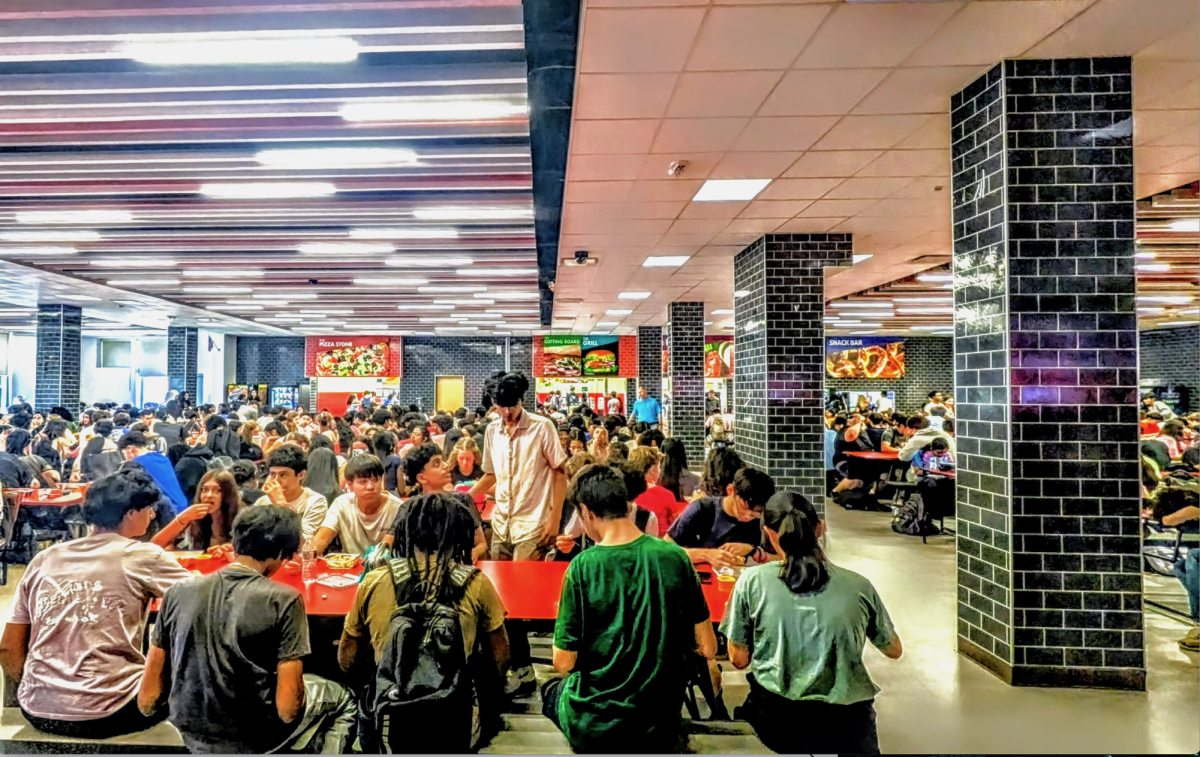



























The relentless pressure of a packed schedule is a daily reality for many Edison High students. Between the demands of time-consuming classes and coursework, rigorous sports practices and matches, and different club commitments, EHS students are constantly searching for the most efficient way to fuel their bodies. Often, this leads straight to the nearest drive-thru or the quickest option available in the cafeteria with no attention paid to nutritional value nor whether it’s processed or not.
Fast food is engineered to be universally liked. It’s affordable, consistent, and, most importantly, intricately designed to trigger the reward centers of our brain with high levels of sodium, sugar, carbohydrates, and fat. However, as we navigate our teenage years, our eating habits are especially important in our development.
The ease of a five-minute, cheap meal comes with a long-term cost that many don’t consider at the moment. Health is often treated as a concern for later in life, but the body starts building the foundation for future health issues during your formative years. Every shortcut taken with food has an effect on energy levels, focus, and mental and physical health later on. For many, the struggle is finding the line between a quick bite and a real meal. The temptation to choose speed and affordability over quality and nutrition is a constant battle in an intense environment. Whenever time is tight, the nutritional benefits of a meal are usually the first consideration to be left out.
“A lot of students use fast food to survive a long school week, but it’s easy to dismiss the fact that it doesn’t give the body what it really needs,” said Ahmed Elghamrawi ‘28. “When in a hurry, grabbing a quick cheeseburger seems like the most convenient thing to do, but the tired feeling that comes after usually proves it was not. It’s important to start looking at food as a way to do better in class and sports than just a way to avoid hunger.”
This idea is shared by those who are beginning to see that a better diet is not about completely cutting off access to junk food, but rather, about taking control of their eating habits. Students often let companies decide what goes into their bodies; the truth, however, is that these massive corporations often care more about personal profits and financial gains than the healthiness of their products.
“Visiting fast food restaurants occasionally is a good limit. You don’t have to stop eating fast food completely,” said Navaneeth Krishna ‘27. “Having a treat is part of a balanced lifestyle, but the real benefit comes from learning to cook for yourself. It’s a skill that makes you feel good about your choice, and it’s actually kind of fun.”
While many hope to find this balance, there is another important side to the debate. Some argue that the problem is not just about personal choice, but about how difficult the food environment has become. With junk food so cheap and easy to find, many believe that a truly balanced diet is becoming harder to achieve for the average person.
“It is hard to believe most people can find a perfect balance with fast food today,” said Aaren Agarwal ‘29. “If you take a look at how health issues like obesity keep rising, it’s clear that the current situation isn’t working for most people. Even if people want to ‘balance’ it, the facts show that it isn’t really feasible for everyone. It’s tough to stay on track when these unhealthy options are the easiest things to find in the community.”
This difference in opinion highlights the main debate at EHS: Is fast food a harmless convenience or a major cause of health problems that calls for a bigger change? The answer can be found in the small choices made every day.
One burger won’t ruin a person’s health, just like one salad won’t make a pro athlete. However, the “once in a while” excuse often becomes an unconscious daily habit. Fast food’s salt, refined carbohydrates, high calories, and added sugar can all lead to the deterioration of people’s health.
However, there are counter-alternatives to consuming fast food. People can prepare quick meals, like salads, wraps, or overnight oats. People can also buy healthy snacks, like nuts, fruits, and whole-grain bars. Nuts and fruits are healthier than fast food because their fiber, vitamins, and proteins outweigh their overall sugar content. At the same time, these small snacks are not too time-consuming to make and can usually be consumed straight out of the box or bag.
Whether it is preparing a meal ahead of time or just picking water instead of iced tea or soda, these small changes add up over time. The habits you start in high school will be the same ones that decide how healthy you are as an adult. It’s time to stop viewing health as a valueless problem for the future and start making it our number one priority today.