



































































The school bell rings, an assignment is posted, and the clock starts ticking. For some students, the homework grind starts right away. For others, the anthem of “I’ll do it later” begins. Schools across the United States offer specialized programs, rigorous academics, and a wide range of extracurricular activities designed to help students succeed. Yet, one major hindrance to academic success often goes unaddressed: procrastination, the act of delaying tasks despite being aware of the negative consequences.
Recognizing this problem, Olivia Chen ‘29 and Lakshmi Koganti ‘29 developed a Family, Career and Community Leaders of America (FCCLA) project striving to reframe how schools address procrastination.
Studies show that nearly 98% of adolescents procrastinate, despite being aware of the negative consequences, according to PubMed Central. Yet procrastination is often still treated as a surface-level issue. Students are told to “manage their time better,” “avoid distractions, or “use a planner.” While these strategies can help in the short term, they frequently fail to create lasting change.
The core issue is that procrastination is commonly mischaracterized as laziness or poor organization, rather than being recognized as a complex psychological and emotional response. Fear of failure, perfectionism, stress, and lack of motivation all play significant roles in task avoidance.
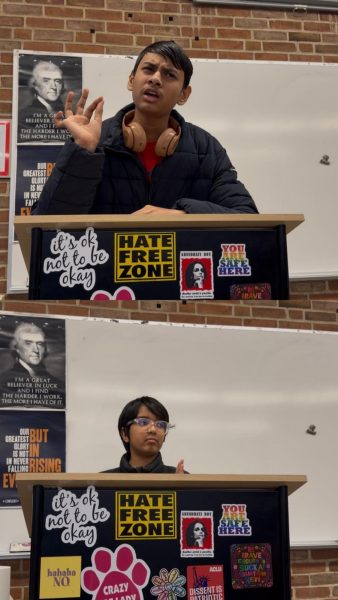
“Our goal is to reduce academic procrastination by addressing its emotional and psychological roots,” said Koganti. “Procrastination is less about time and more about emotional regulation. It’s a psychological response to fears of failure, stress, and perfectionism.”
Through interactive mini-workshops, their project will teach students to understand procrastination, break assignments into manageable steps, regulate emotions, and build sustainable motivation.
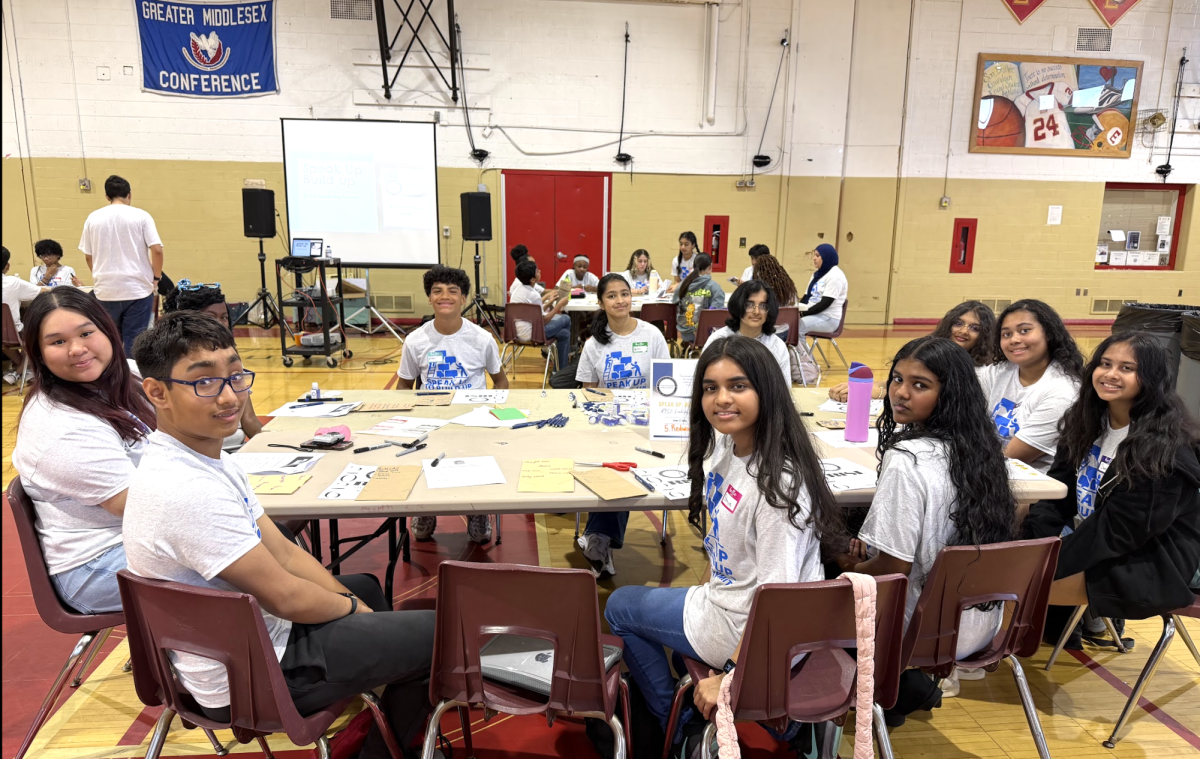
The team recently brought their mission to Thomas Jefferson Middle School’s Debate Club, where they hosted an engaging workshop. Students had the opportunity to participate in a debate, play team-based games to strengthen their knowledge, and participate in interviews to create awareness around the cause of procrastination and help identify it in themselves.
The results were immediate and impactful: Participants rated the workshop an average of 3.7 out of 5, and students demonstrated a stronger understanding of procrastination and its causes through game-based learning.
“The presentation was better than some of the adult professional development sessions I have attended,” said Ms. Jamie Sackie, club advisor. “The students learned a lot of new information and were able to reinforce that knowledge through the interactivity of this workshop, while having a lot of fun.”
The student interviews all reflected the same sentiments.
“Almost every day, I am met with one to two hours’ worth of homework, and I just cannot find the determination in me to do it,” said Athena Aholu ‘30, now an 8th grader at TJMS. “Which is why I turn to my phone or just read a few books and end up doing my assignments nearly last-minute.”
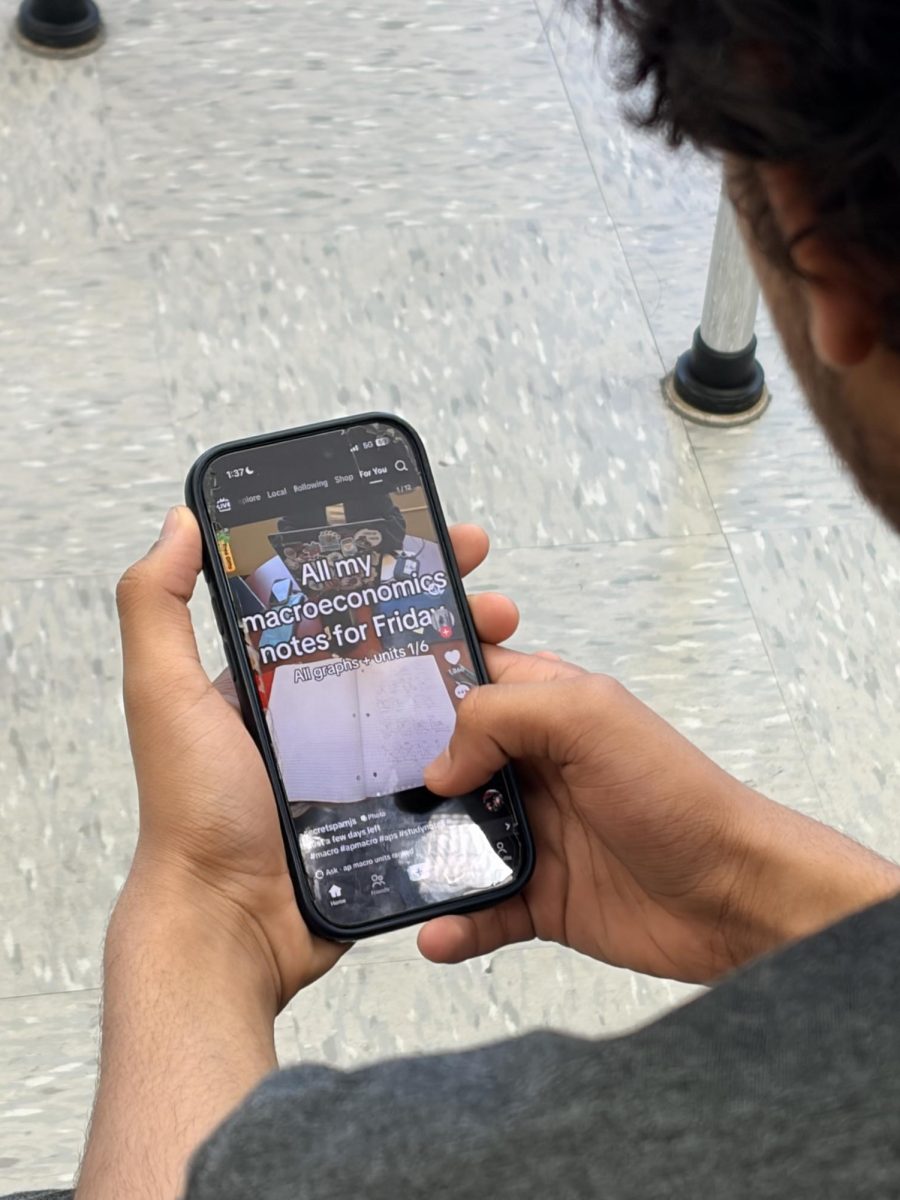
One of the most memorable moments of the workshop was the student-led debate on the question: “Is technology the main cause of student procrastination?” Students had to choose to agree or to disagree, exercising critical thinking skills, all while weighing the distractions of social media against deeper internal pressures such as fear of failure or academic stress.

Additionally, Chen and Koganti introduced their workshops to K-5 students, particularly Ms. Krista Baldowski’s fifth grade class at Lincoln Elementary School. The purpose behind this workshop was to help spread awareness about procrastination among the younger generations so that good habits could be built over time.
At Lincoln, the students participated in a Jeopardy game where they had the opportunity to put their newly acquired knowledge to the test and win a prize. To simulate procrastination, children worked in small groups on a coloring activity where progressively shorter timers caused the quality of their work to drop and their stress levels to rise. Through this game, Chen and Koganti helped the kids to see the effects of procrastination in a way that they could easily be able to understand.
Chen and Koganti believe procrastination is not a mere sign of laziness but a fundamental struggle between stress, motivation and a desire to achieve, and their FCCLA project is meant to highlight the importance of addressing that struggle early and intentionally.