





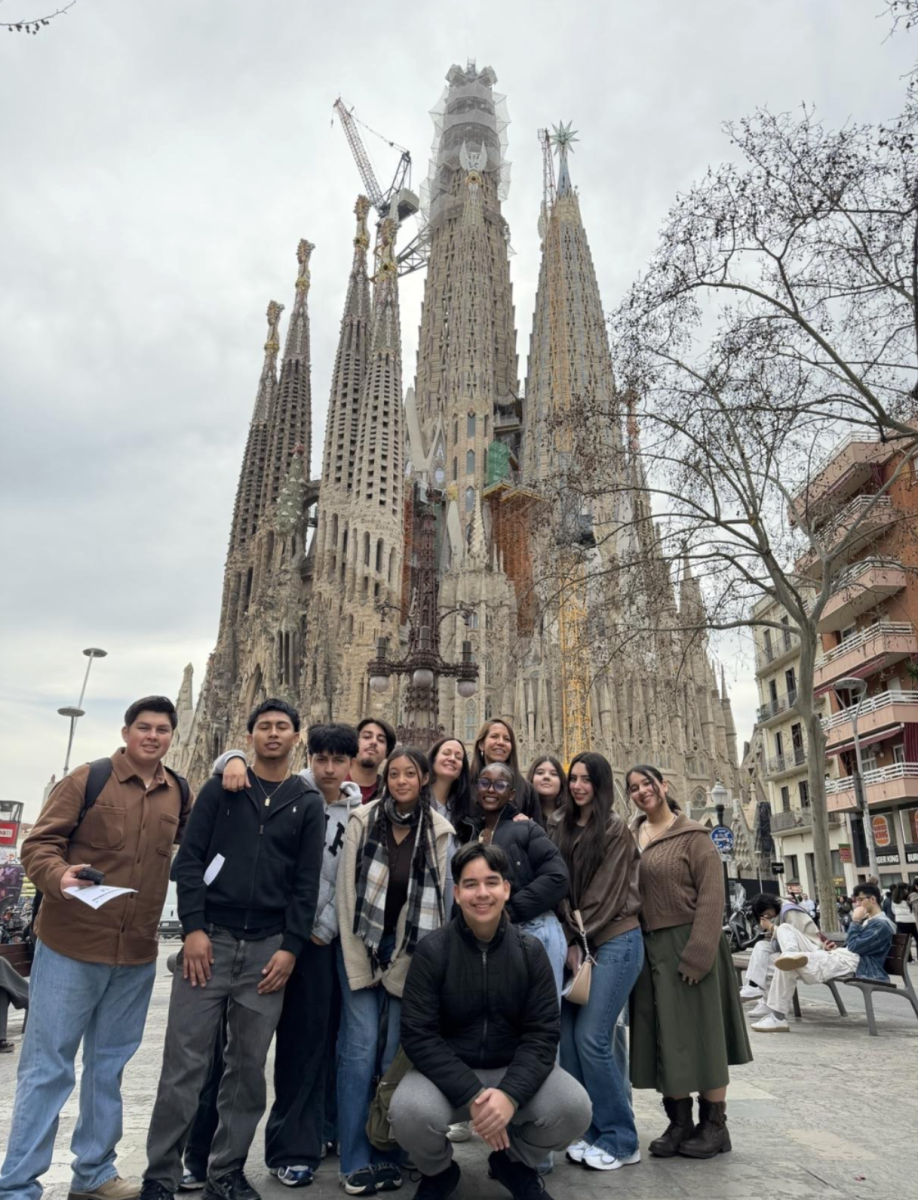




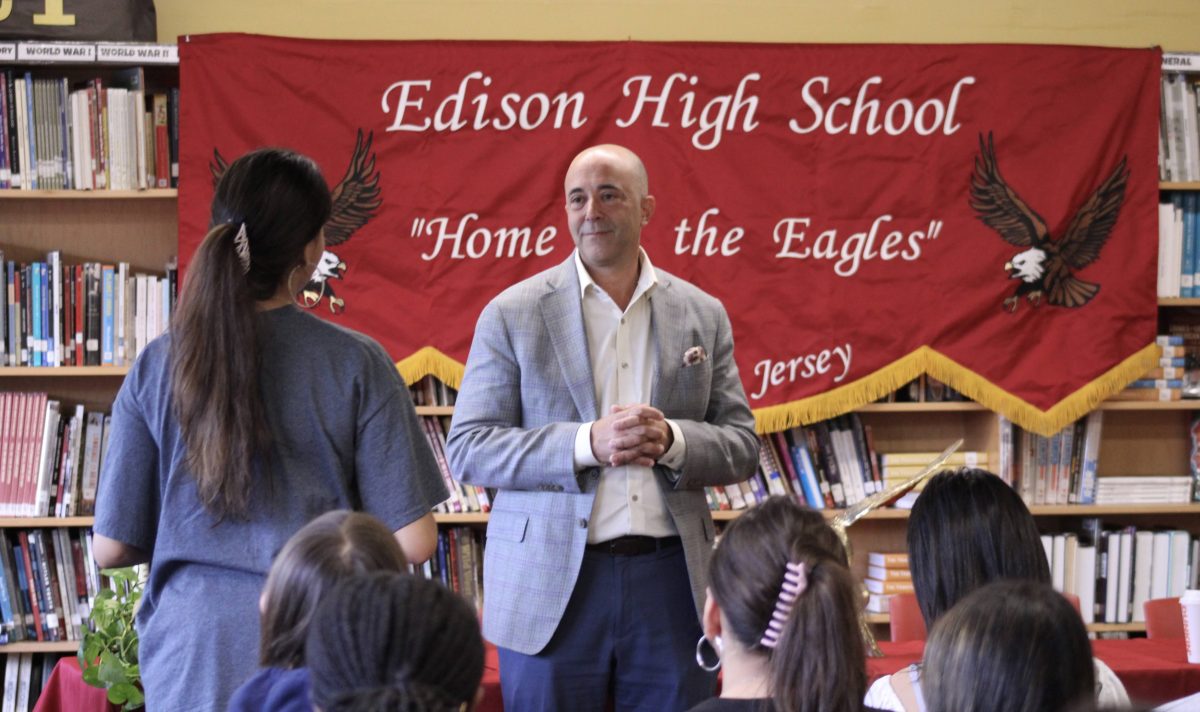
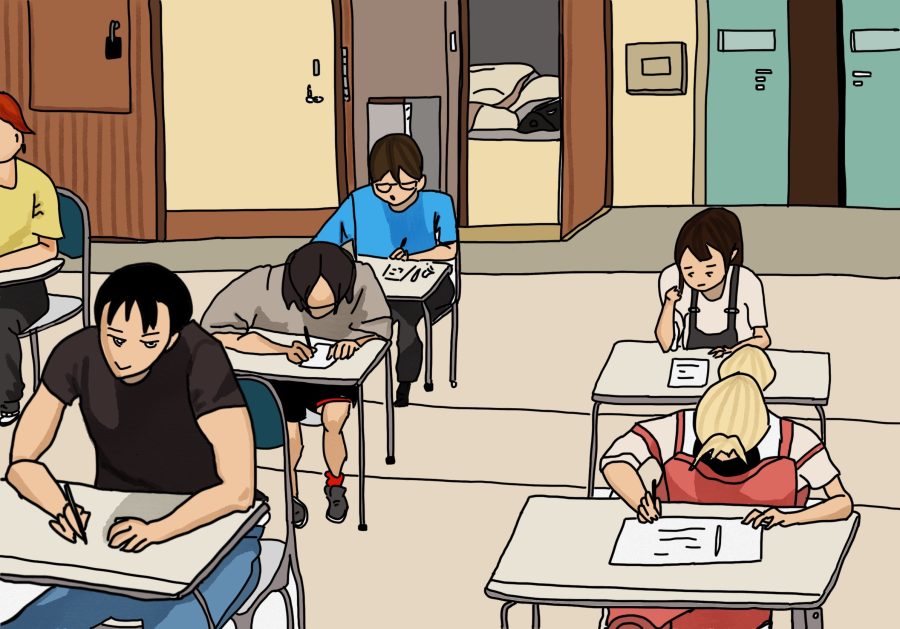
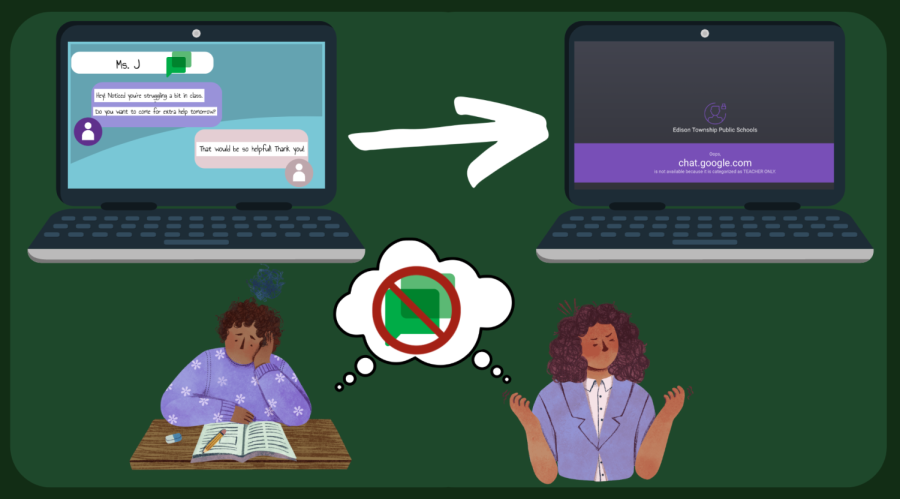


























At Edison High, the administration strives to uphold the four R’s—respect, readiness, red & gold, and responsibility—while fostering an environment that encourages confidence, leadership, and student success. Yet, even in a supportive environment, fear often becomes one of the earliest and most persistent obstacles students face. Reminding us its the most motivating human emotion, fear shows up unannounced: before raising a hand in class, when considering joining a new club, or even when talking to a new person. For many students, the fear of judgment shapes how they experience school academically, emotionally, and socially.
“Students often hold back on expressing themselves in school with the fear of being judged or not accepted,” said Olivia Chen ‘29.
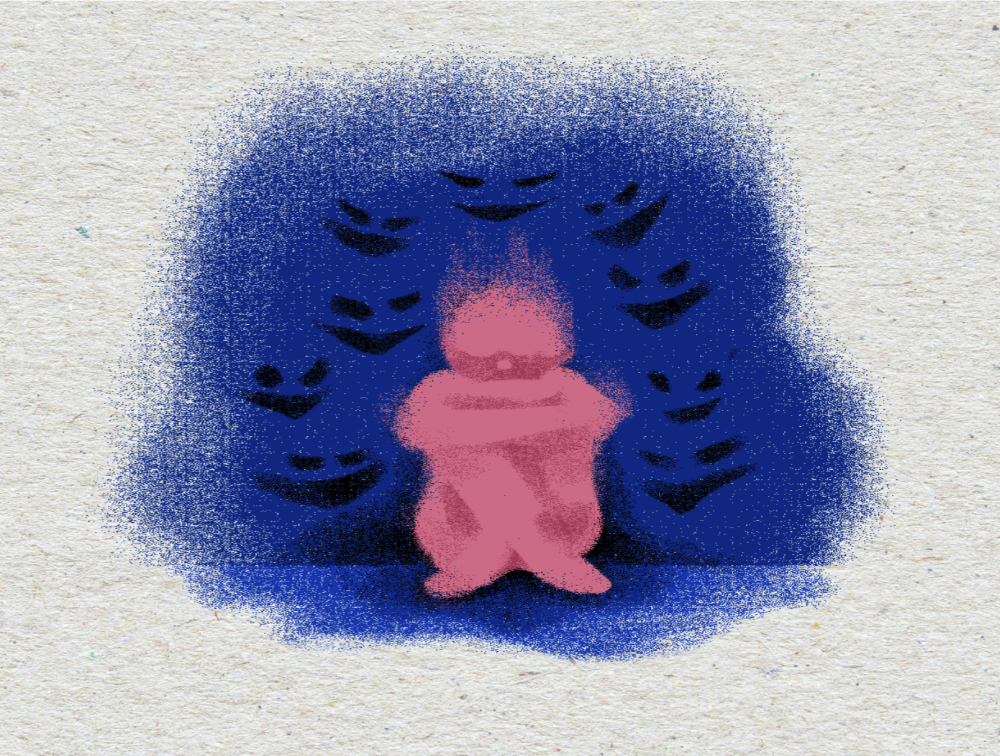
While common, this fear can influence how students see themselves and limit their willingness to engage with others. Fear does not always present itself in everyday situations. Often, it manifests as a “silent looming cloud,” which clouds a student’s judgment by creating a state of chronic stress that causes them to worry about others’ perceptions of them. Over time, this hesitation can limit confidence and prevent students from fully discovering who they are.
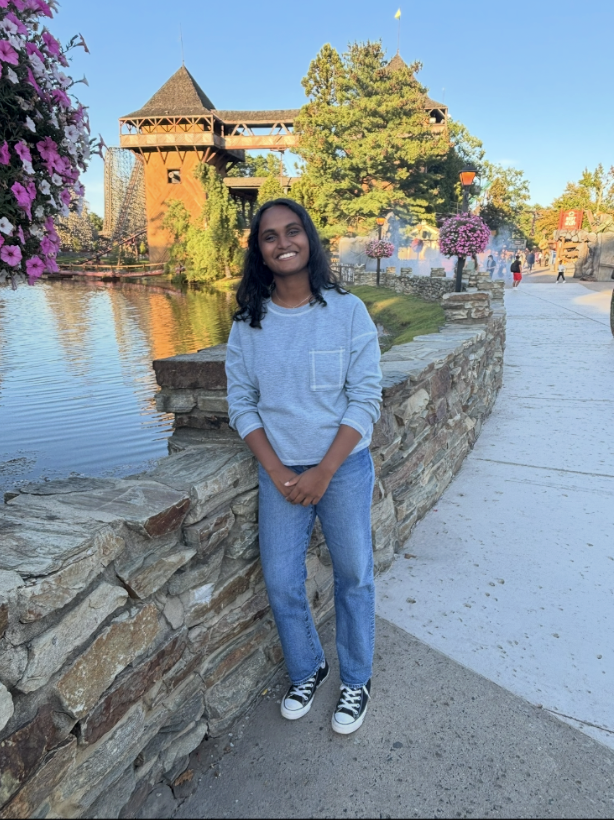
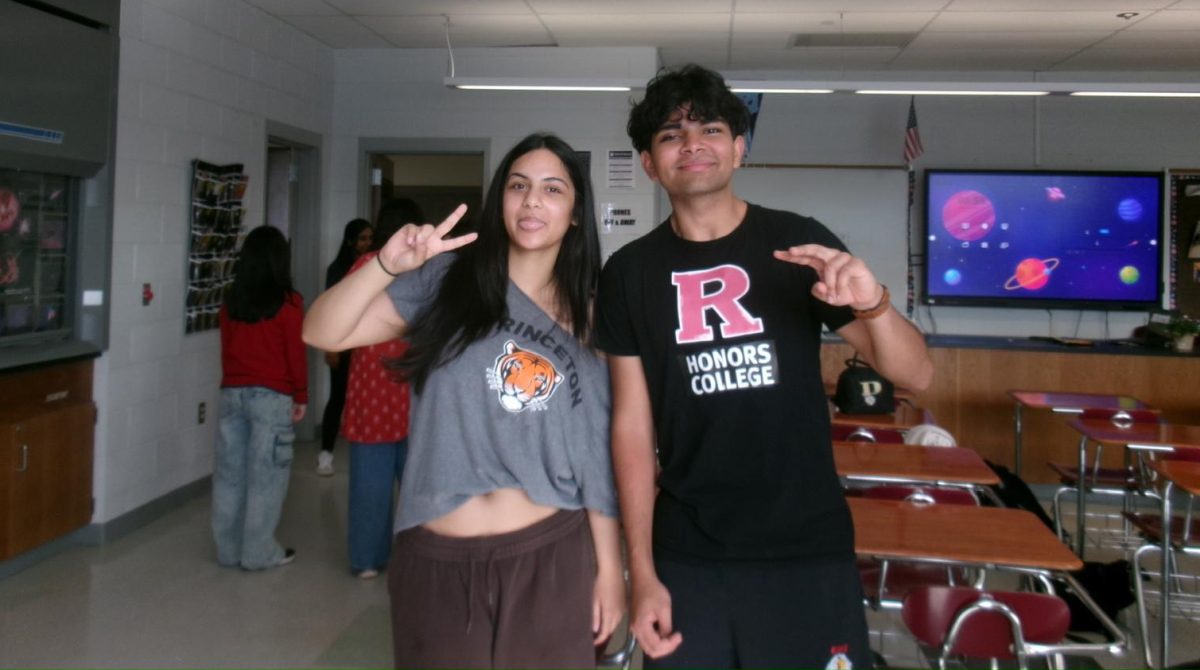
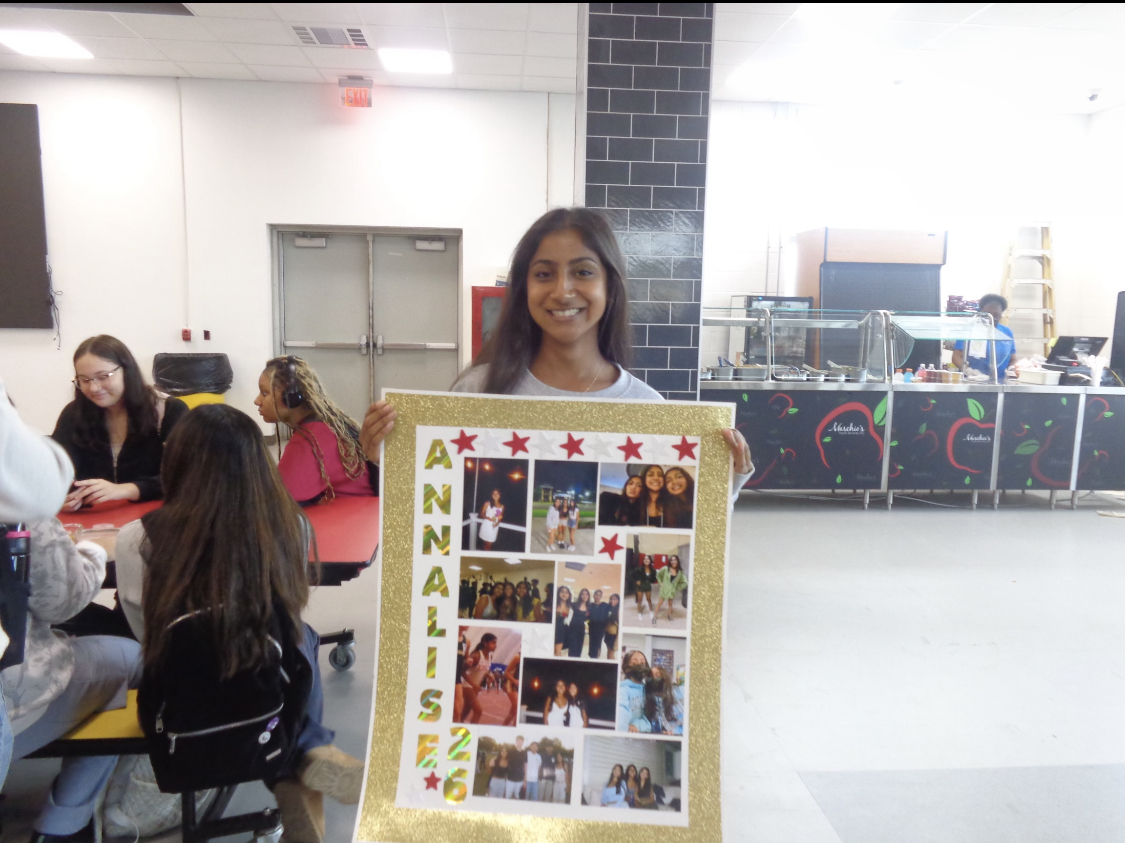
“I walked into high school my freshman year, looking down most of the time and scared of failure,” said Ishika Bhalla ‘26. “Now I’m walking out confident in who I am and able to speak up while understanding that failing is a part of life.”
For some students, learning to accept fear rather than ignoring it is key to their personal growth.
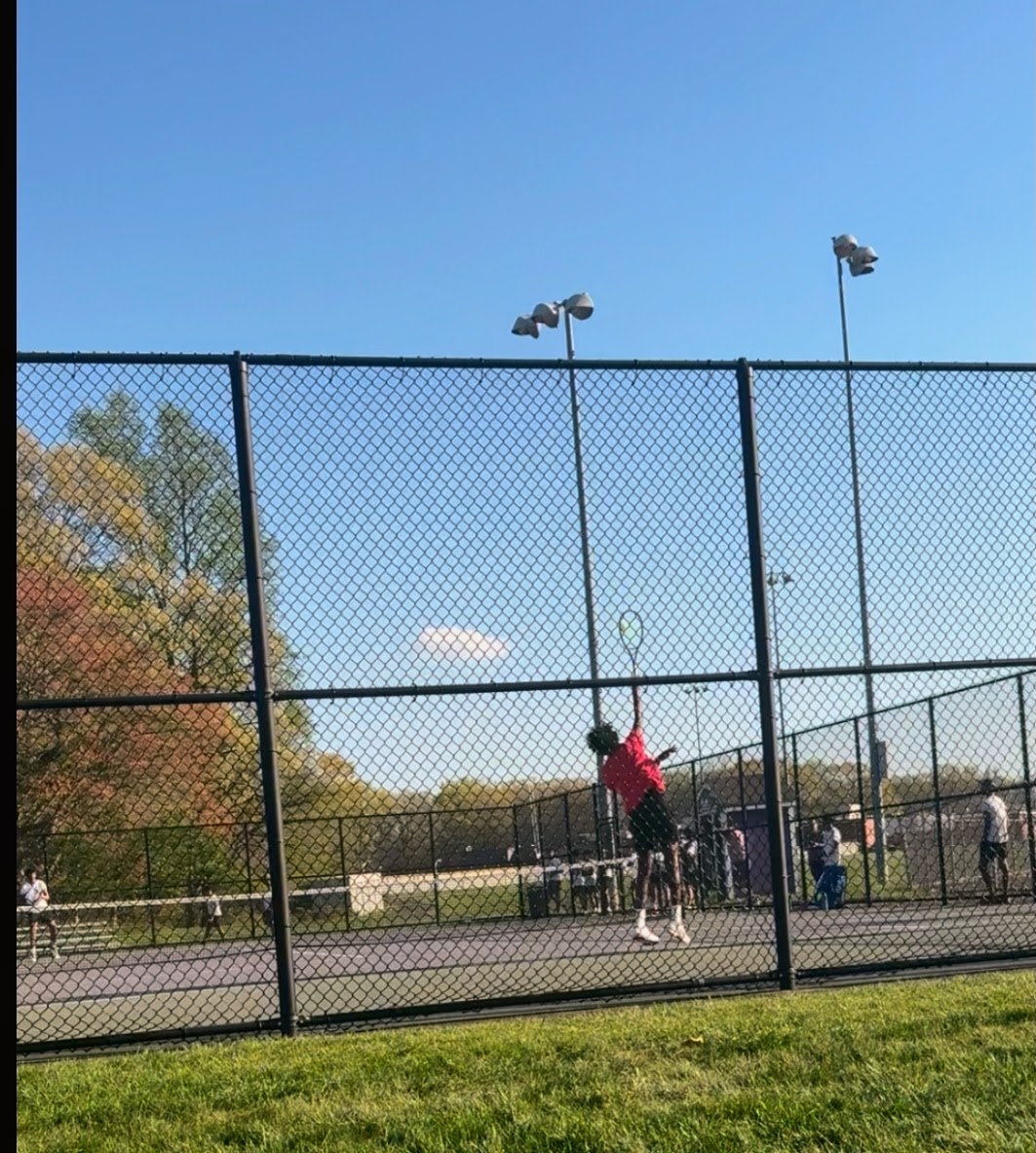
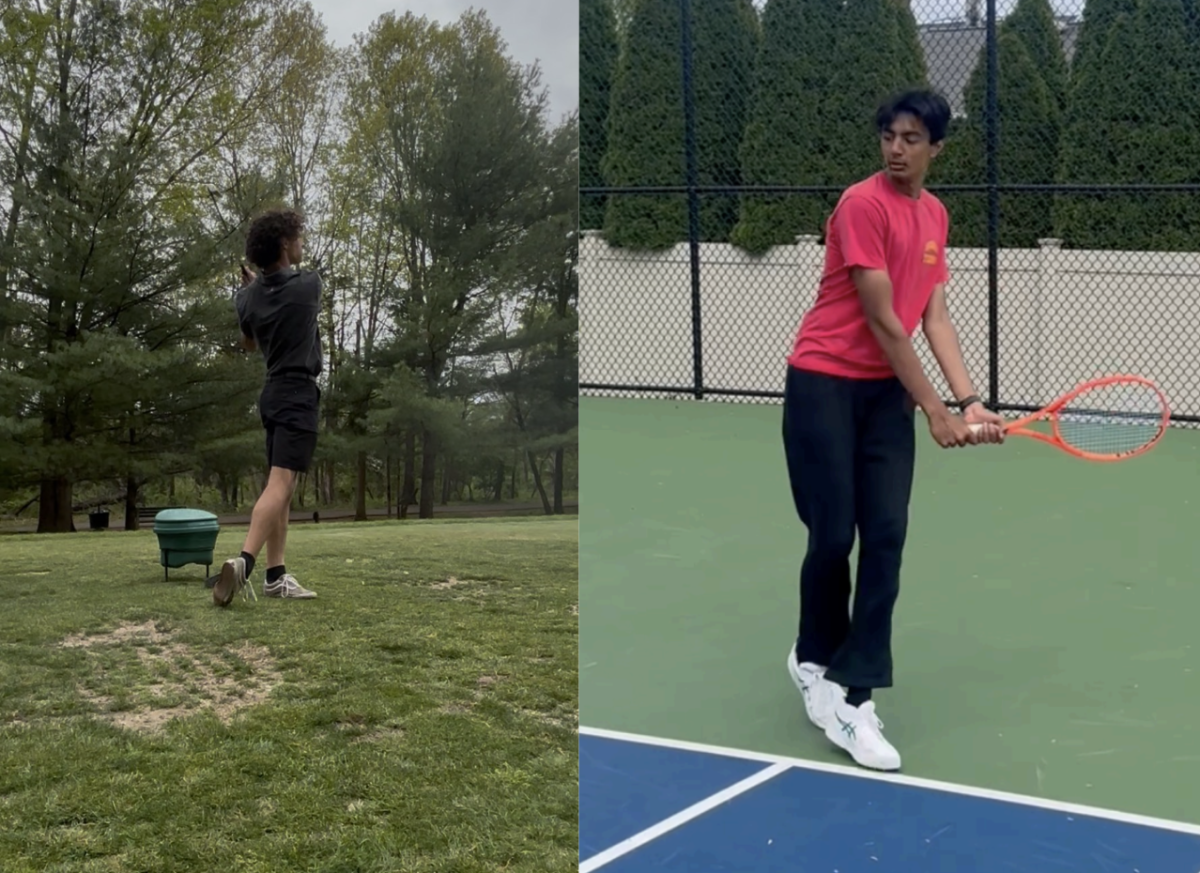
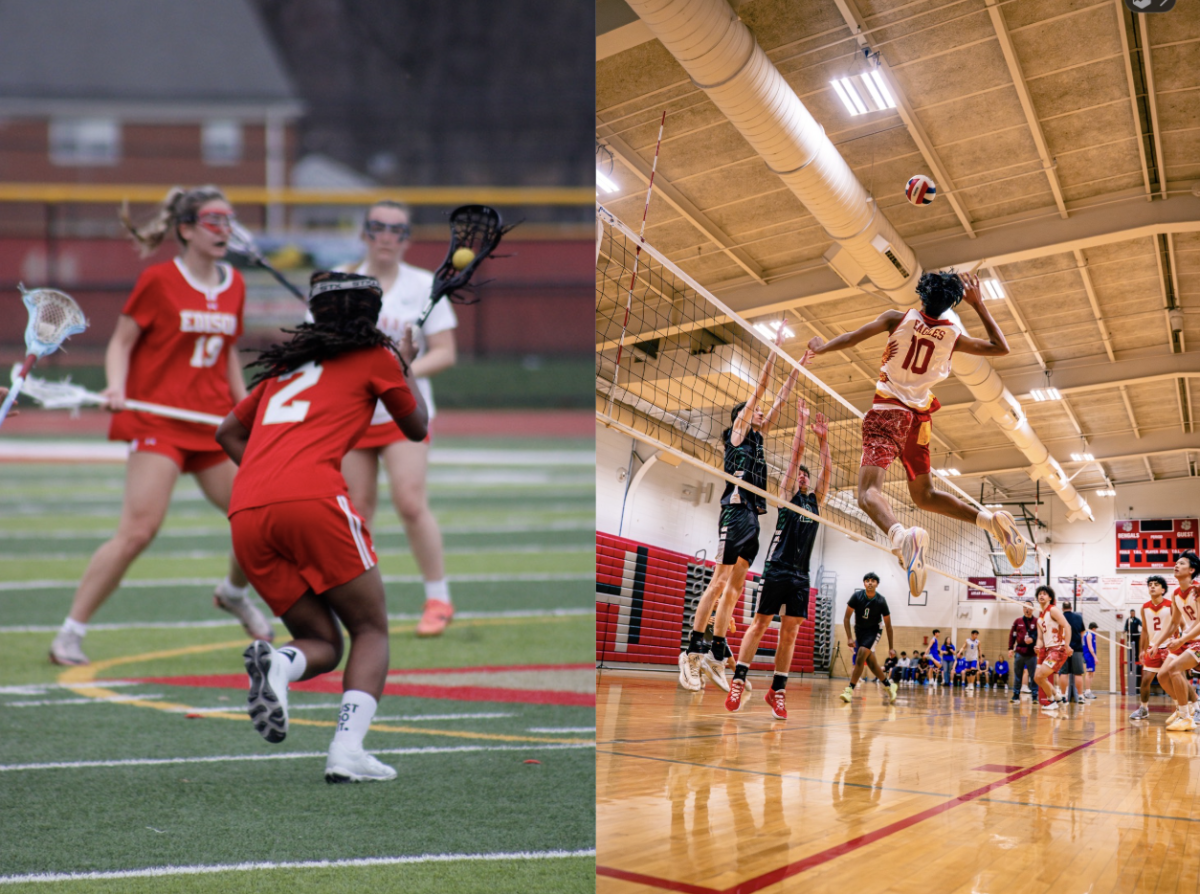
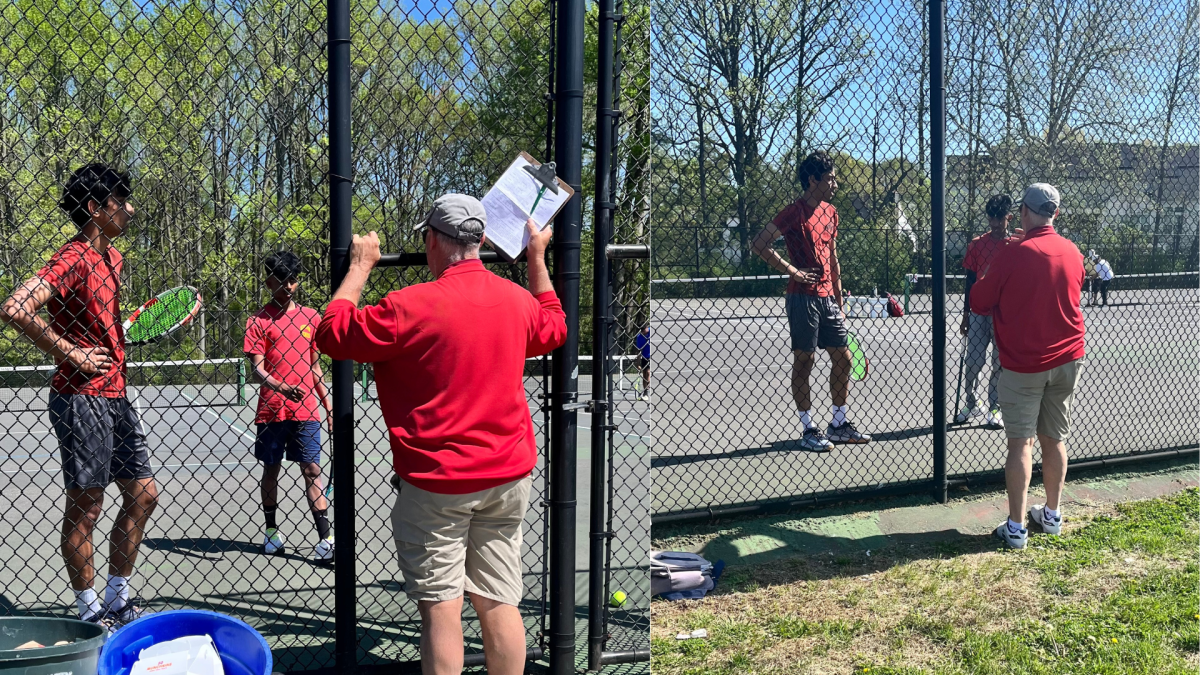
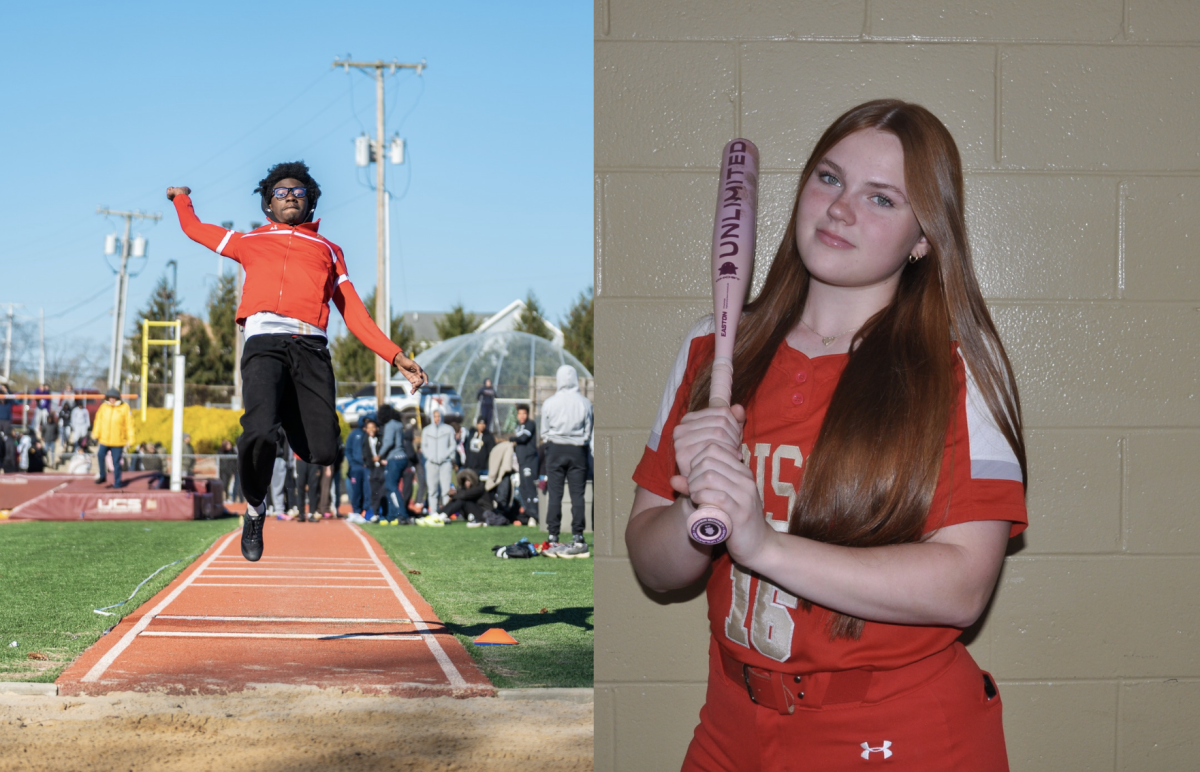
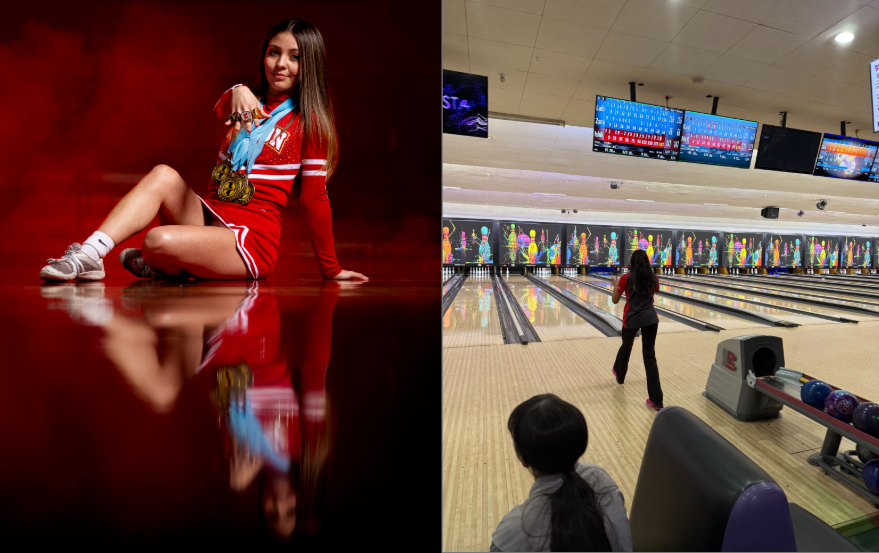
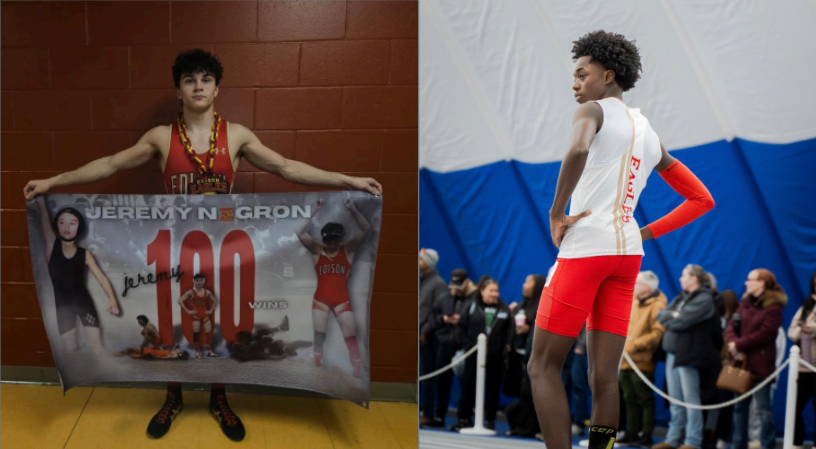
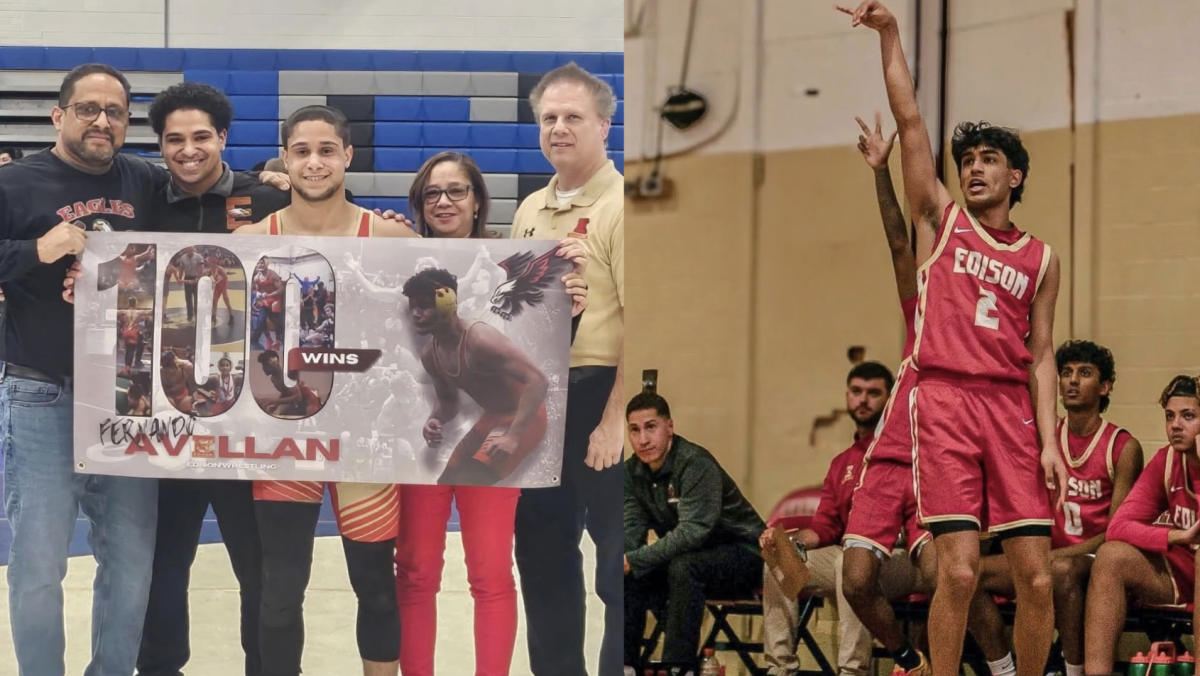
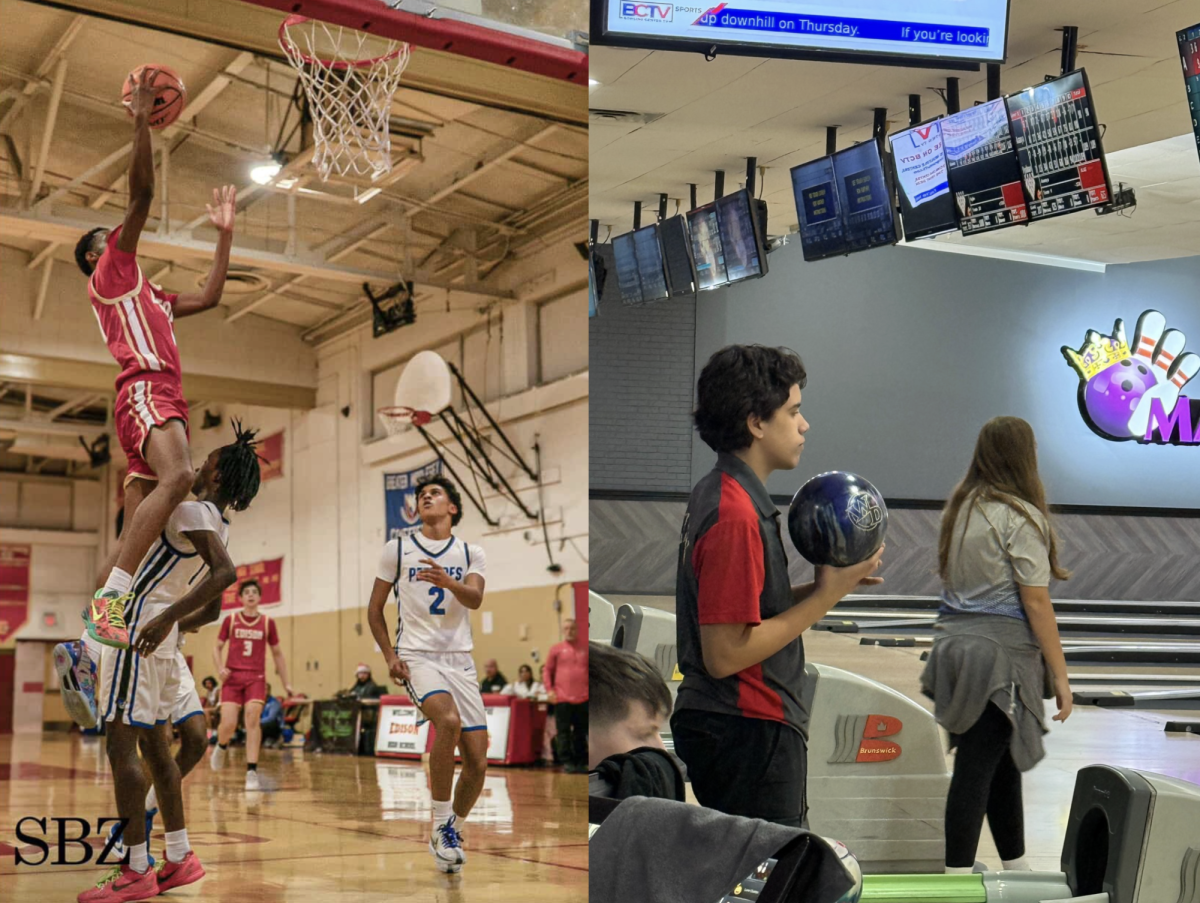
One of the most common ways students work through fear is by joining school-organized athletics, where shared goals reduce pressure and foster a sense of belonging. These activities allow students to express themselves without the concern of judgment.
“Joining the EHS Bowling Team taught me a lot. I learned to respect the work people put in,” said Mahasvin Kota ‘29. “Normally, people in general would look at someone’s results and completely ignore the work they put in. If they slipped up, they laughed.”
Kota’s experience reflects how team environments can help students move past fear by emphasizing cooperation over individual performance.
“Being part of the Bowling Team made it easier to be myself without constantly worrying about how I was perceived. The social interactions, such as laughter, and the focus required, acted as a form of stress relief,” said Rohan Nayee ‘28. Nayee continued to explain that being surrounded by an inviting group of peers with shared goals helped lessen the fear of judgment and made self-expression feel less intimidating.
Classrooms are another important space where students start to find their voice and use it. For instance, the rigor of classes themselves becomes a pathway to self-expression.
“AP Seminar gave me the freedom to research topics I am interested in and share my ideas without feeling pressured to fit a certain mold. I enjoy the balance of individual projects and group projects, as an introverted person who enjoys spending time with others,” said Shannon Somes ‘27.
For others, the presence of a supportive teacher makes the difference between staying silent and speaking up.
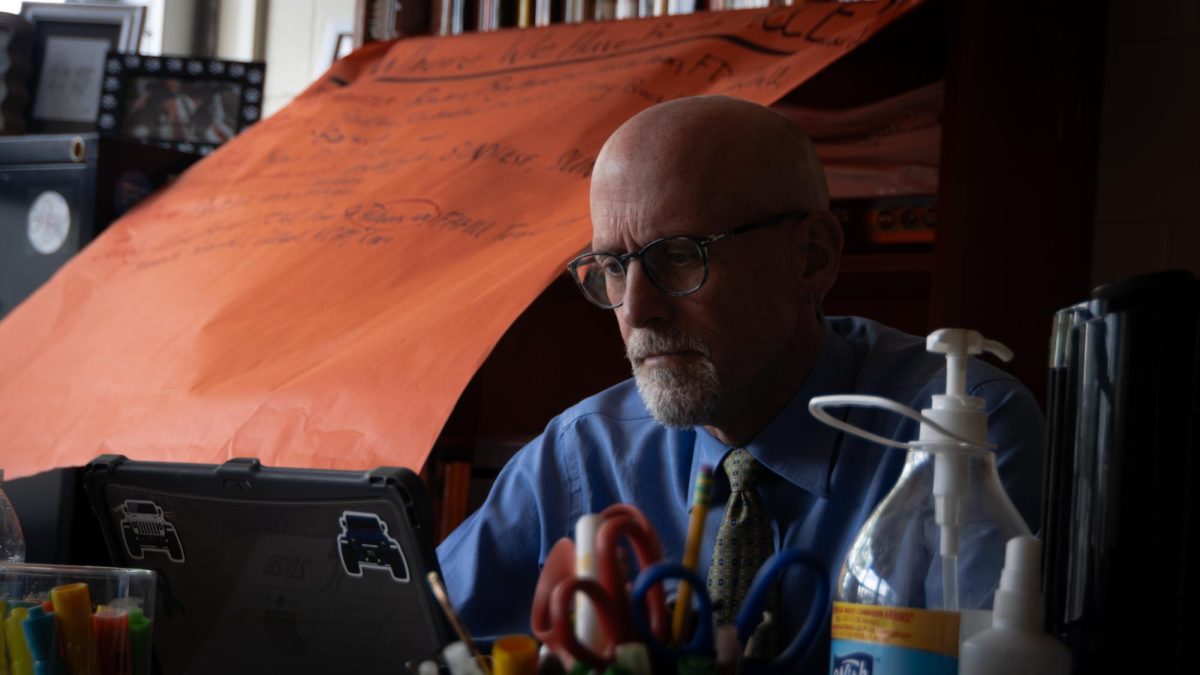
“In my four years of high school, my psychology class with Mr. Michael Glackin was the most helpful class I have ever taken, and one of the first places I felt I could speak my mind and someone would listen instead of judge,” said Bhalla. Having a teacher who valued student voices helped her build confidence that extended beyond academics.
Moreover, for another handful of students, that encouragement began long before their time at the Nest.
“Ms. Cristin Cowley has the rare ability to notice when a student is struggling, even if they weren’t loud about it. You could see it in her eyes that she wanted the best of every one of us,” said Chen.
Having a teacher who believed in her early on shaped the way she approaches self-expression today.
Beyond classrooms and sports, electives and creative outlets provide additional pathways for students to express themselves.
“There are many extracurriculars that can help you express your identity, whether it’s verbally or nonverbally. The EHS Film Club, marching band, and Chinese culture club have all allowed me to represent my identity despite having a multicultural background,” said Suri Neoh ‘28. She explained that these activities help students challenge themselves while finding supportive peers.
“The electives, specifically public speaking, help me express my identity, as it allows me to speak freely and learn how to have fun while doing something I love: being loud,” said Zara Hafeez ‘28.
These structured environments reduce fear by offering students a safe space where expression is encouraged rather than judged.
Finding one’s voice at EHS provides students with far more than just the ability to speak up; it fosters personal growth, resilience, and a sense of belonging. Students who feel empowered to express their ideas gain confidence in their abilities and develop stronger relationships with peers and teachers. This foundation of open communication often builds a bridge of trust between students and faculty.
“Once, I accidentally left the in-class assignment on my teacher’s desk instead of placing it in the box. The following day, when asked, I told my teacher I should’ve put it in the box, and she let it go and blamed herself for not seeing the paper,” said Shahzeb Khan ‘26.
Since Khan had consistently used his voice to demonstrate respect and honesty, his teacher trusted his word implicitly, and he was not penalized.
Ultimately, a school’s success isn’t measured by its test scores but by the volume of its spirit. When students claim their narratives through the activities they love, the entire community grows louder and infinitely more human.