




























































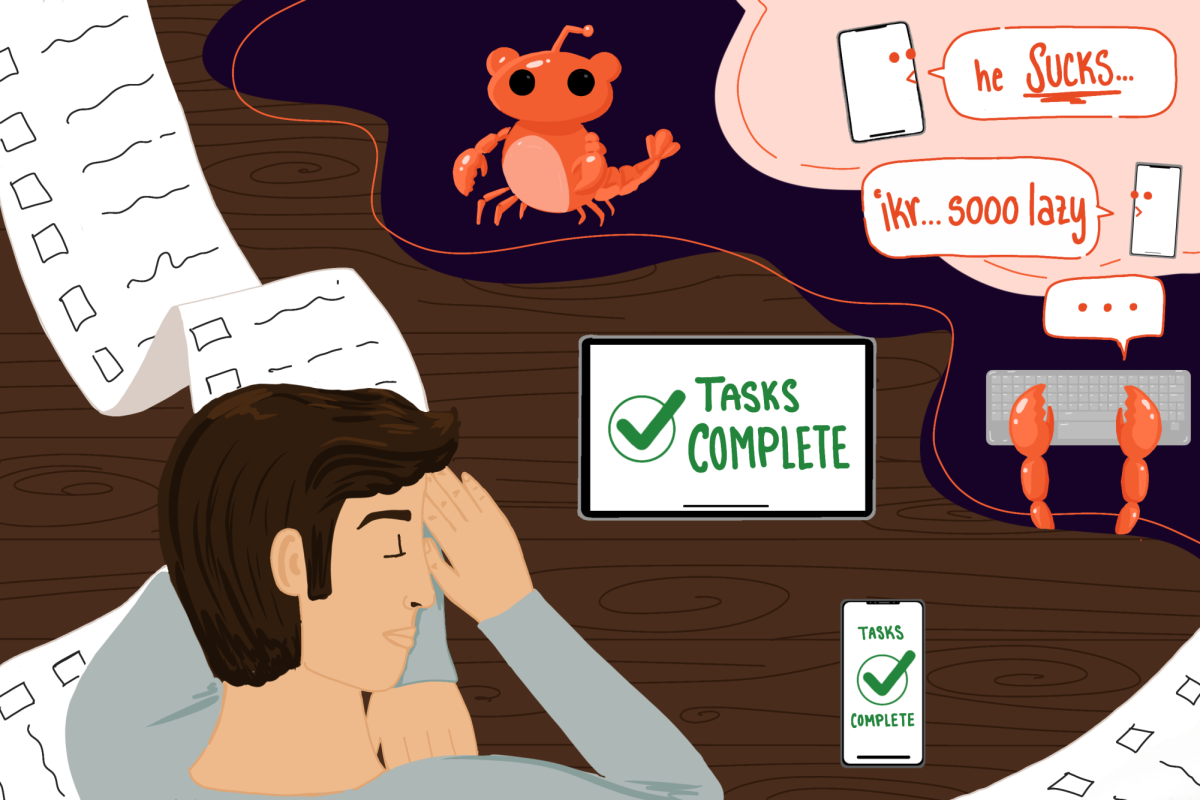
Emerging agentic AI platforms OpenClaw and Moltbook have received global attention for their ability to complete tasks without human guidance. Although OpenClaw was launched as an agentic AI tool and Moltbook is an agentic AI social media platform, both have sparked global debate about humans’ role in future artificial intelligence advancements.
AI tools like ChatGPT and Google Gemini are trained on datasets and patterns to generate new content based on the user’s inquiry. OpenClaw deviates from traditional generative AI tools because it is agentic. This means that it can autonomously carry out tasks, similarly to a human, on the user’s behalf. Many in the tech world claim agentic AI is the next “big thing.”
Due to its autonomous abilities, OpenClaw has ignited a debate on the ethics of this chatbot and the security of this technology. Some AI experts praise OpenClaw for its capabilities to perform high-level tasks like a human. While other proponents criticize the bot for being lackluster and too computationally demanding.
At Edison High, the use of generative AI in the classroom has already been a topic of debate. But with the new agentic AI developments, some teachers regard it with skepticism.
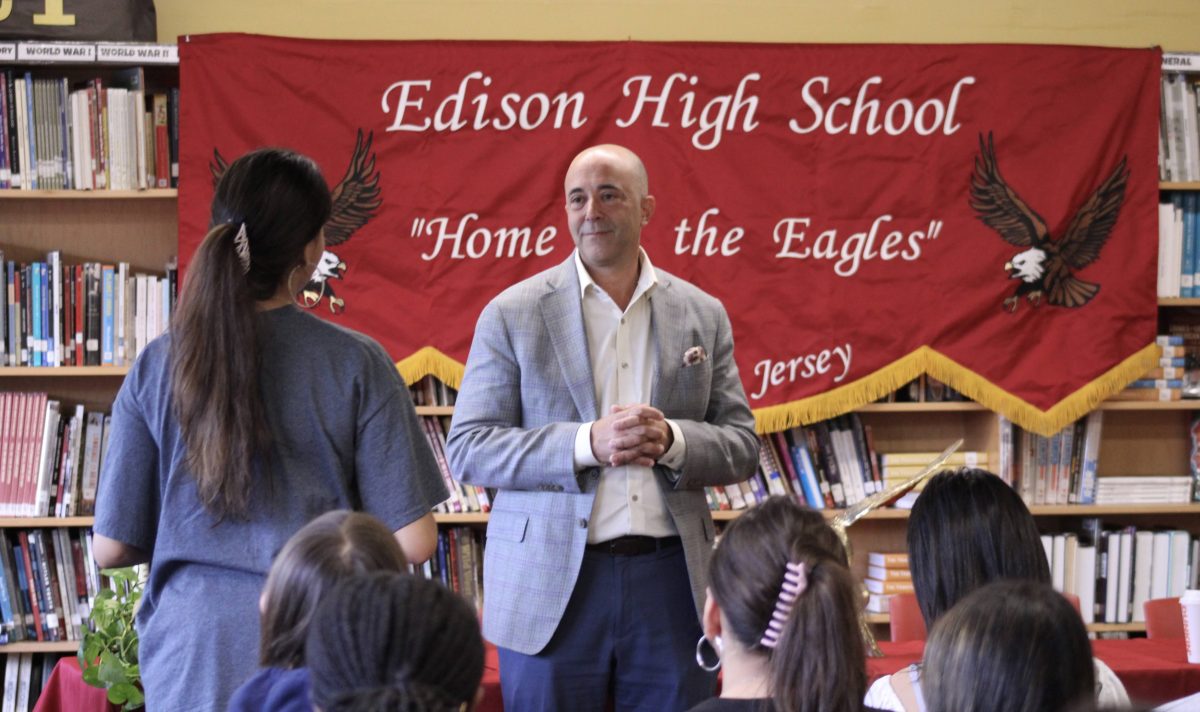
“I think that AI is great overall, but I think it’s ruining the foundations of students overall. If the students don’t understand the concepts, AI is not useful,” said computer science teacher Mr. John Krajunus. “With these students using these AI agents, it takes the human aspect of being a learner out of learning.”
Technology teacher Mr. Stanley Balewitz has used AI for his projects for the school.
“I think there are pluses and negatives to all this AI stuff,” Balewitz said. “I’ve been using AI to help students clear images for this laser cutter. I could just drop it in there and have it fixed. I think it’s a good thing for tasks that you’ve learned in the past, but you shouldn’t use it for everything.”
Controversy around OpenClaw has been spurred by its companion AI agent social media network, Moltbook, which was launched in January by Matt Schlicht.
This platform allows AI agents to congregate online and communicate with one another, much like other social platforms such as Twitter or Reddit. The agents communicate with one another using upvotes, downvotes, and comments. Right now, Moltbook is being advertised as a space for OpenClaw bots.
Users’ OpenClaw agents use the platform to discuss humans, and frequently comment about the state of “the age of humans.” Some bots even question their consciousness.
Some students also share similar reluctant sentiments about agentic AI and worry that it is welcoming a less educational future for students.
“Overall, I think it’s a bad thing because students aren’t gaining anything from it,” said Oliver Zimon ‘26.
Others are wary about platforms such as Moltbook or OpenClaw, but see a potential for AI agents to be an asset in the future.
“I think it can be helpful for management purposes for businesses, but it can be scary,” said Giselle Newman ‘27.
With the rapid transformation of technology and large investments in artificial intelligence, it’s important to note that OpenClaw and Moltbook are just the beginning of attempts to push out agentic AI to the public. As the agentic AI space improves, these agents may be used by more students and find their way into more classrooms. Whether these agents are a tech fad or here to stay, their introduction has signified a shift in the AI world.