


































































In a modern music landscape where the internet has a prominent influence, Noah Smith, also known as Yeat, has made his mark. In just a few years, he has turned from an underground internet sensation to one of the most acclaimed rappers in the modern scene. Initially rising to fame on social media platforms like TikTok in 2021, the artist built a fan base through his unique style, setting him apart from the competition. On March 27, 2026, Yeat released his long-awaited album ADL. With this project, he addresses the overbearing expectations placed on his music and twists them into an opportunity to experiment with his sound.
Yeat’s sound blends futuristic beats with autotuned vocals, making his music more focused on rhythm rather than lyricism—a clear reflection of the influence of digital culture in modern hip hop. Known for his unconventional slang and unusually high energy, he represents a shift in the rap industry from lyrical rap by artists like Kendrick Lamar or J. Cole. His early projects, such as 4L, Up 2 Më, and 2 Alivë (along with the Deluxe), introduced fans to his trademark experimental beats and unpredictable flows.
Because of his unique style, Yeat has only been rising in popularity, soaring from 2 million monthly listeners in 2022 to close to 20 million today. With that sudden surge in audience growth comes more attention for Yeat, creating higher expectations for his latest album.
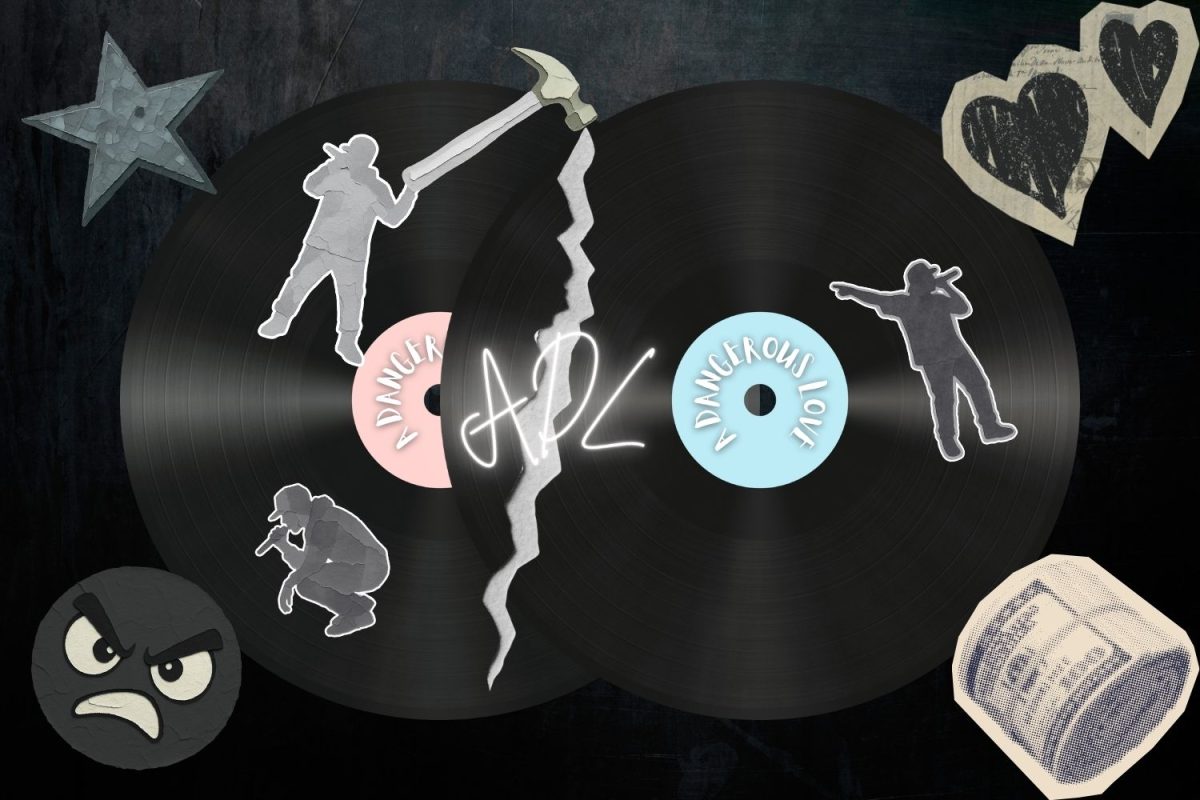
What makes ADL especially distinct is Yeat’s incorporation of a double album concept: A Dangerous Lyfe (the first half of the album) and A Dangerous Love (the second half of the album). In other words, Yeat combined two different albums with two contrasting tracklists into one larger project, letting fans enjoy a contrast between two separate styles.
Because of the difference in flow between the two discs, it is obvious which tracks come from which album, even without knowing beforehand. A Dangerous Lyfe reflects a lot more of Yeat’s original style that fans love, especially with the aggressive and modern beats. On the other hand, A Dangerous Love is more mellow when compared to the other disc, showcasing Yeat’s more innovative style.
In both discs, topics of fame, money, and celebration are explored. Along with this, the album as a whole also reflects Yeat dealing with the pressure that came from his quick rise to fame in the industry. Instead of bearing the expectations that were placed on him and conforming to the majority of artists, he used those expectations as motivation to experiment more with his sound.
The dual nature of the album reflects a balance of his older high-energy tracks and his newer, evolving side of his artistry. When listening to this album for the first time, it is extremely unpredictable. One song, he may have you vibing to a high-energy “rage rap” beat, while the next, he might give you more time to think about the song and the lyrics.
Even though ADL includes a plethora of tracks that don’t conform to his old sound, Yeat didn’t completely abandon his 2021 style that fans know and love. Many tracks throughout the album lean into the aggressive, inventive beats that old fans are familiar with, as well as many of the characteristics that made him originally stand out as an artist. Tracks like “Griddlë,” “Face the Flamë,” and “Liv Likë Dis” all continue Yeat’s old approach to rap, providing a baseline for fans who may not necessarily enjoy his new style. But when comparing this new album to any of Yeat’s previous works, this album leans way more to the innovative side.
Tracks like “Lose Control” and “Back Home” highlight the more experimental aspects of Yeat’s new style. Seemingly for the first time, Yeat’s lyrics have real meaning, almost shifting in a sentimental direction after having fans listen to a mellow beat and lyrics that are realistic to life and don’t constantly talk about excess.
Along with the difference in flow, one of the most significant parts of this album is its features. Over 21 tracks, Yeat collaborated with 11 different artists who contributed a verse or shaped the production of the project. ADL incorporated recognizable artists and producers, such as Don Toliver (on Griddlë), NBA Youngboy (on Face The Flamë), BNYX, and Swizz Beats. By leaning into his earlier style, these specific features offer fans a taste of the “old Yeat.”
But what was more interesting than the way the artists we’ve seen collaborate with Yeat before were the new features we’re seeing for the first time. For the first time, Yeat collaborated with many people who aren’t involved in the rap industry, such as rock singer Elton John on “Lose Control,” indie singer Julia Wolf on “My Way,” R&B singer Joji on “Back Home,” electropop artist Grimes on “Face The Flamë,” and even Kylie Jenner on “Let King Tonka Talk.”
Blending these various elements into one album is not an easy task, which is why many may dislike ADL. But for fans who have followed Yeat’s journey, this album marks an extremely important moment in his career. Rather than fitting in with the broader genre of hip-hop, Yeat has made his own impact on the genre as a whole, abandoning the lane that made him famous and stepping into new territory. Unlike many artists, Yeat is willing to take a risk to experiment—even if it may result in him losing many monthly listeners—and that willingness may be what fuels him to keep growing in the future.