














































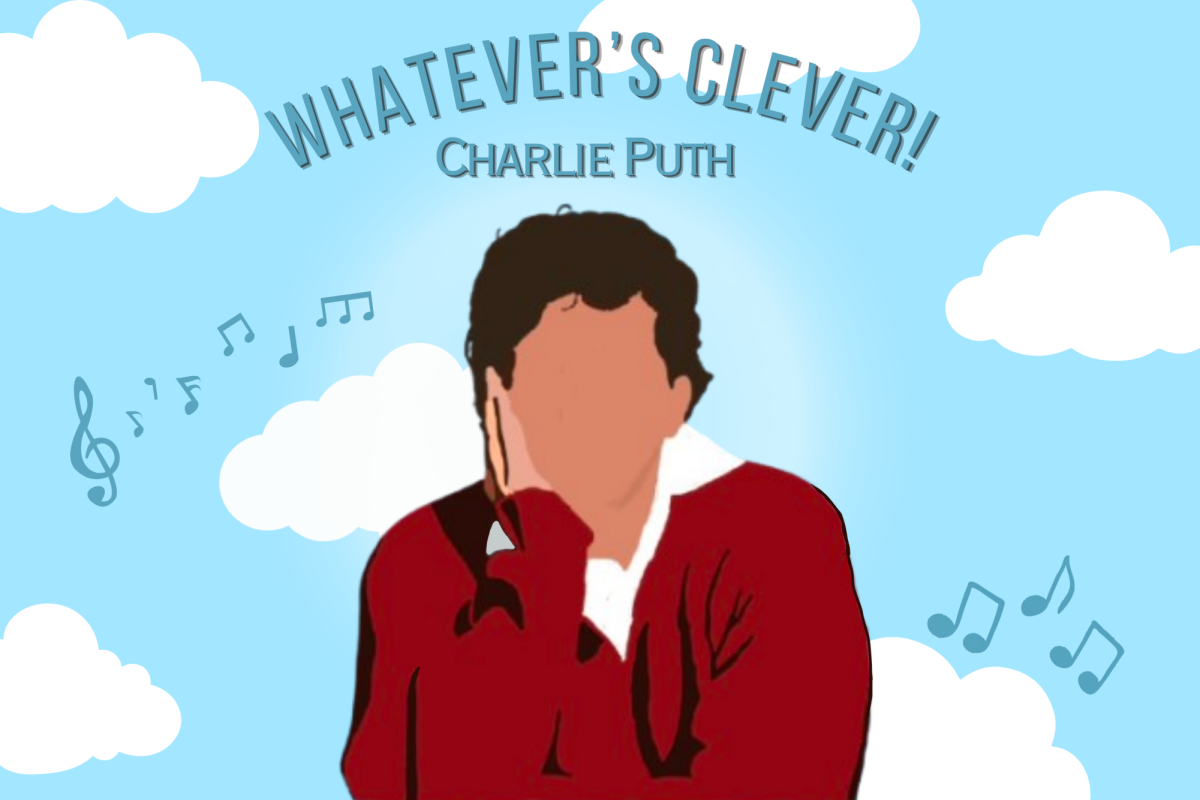

























The modern music scene stands in stark contrast to previous generations, with traditional boundaries between separate genres slowly dissolving. Contemporary R&B Toronto singer Daniel Caesar is a major reason for this evolution, known for merging R&B, soul, and gospel in past albums like Freudian, CASE STUDY 01, and NEVER ENOUGH.
Spiritual yet temporal, his sound contrasts with his contemporaries. Caesar collaborates with artists across various genres, such as Justin Bieber, Bon Iver, and more. He blends his vulnerable lyrics with creative production, inspiring many artists like Charlotte Day Wilson and Omar Apollo to follow a similar path. His style has drawn tens of millions of fans to his art, boosting his esteem in the R&B community and setting the scene for his newest album.
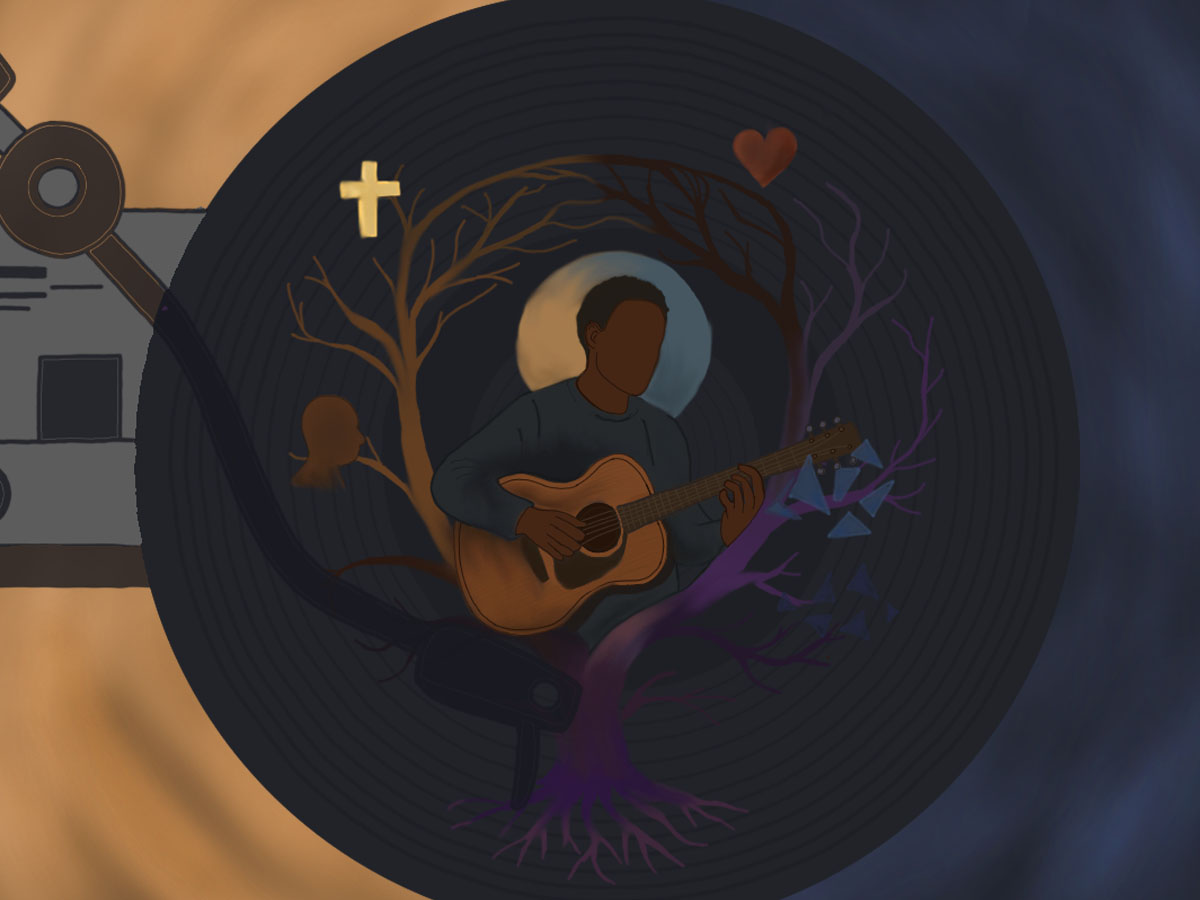
In Son of Spergy (released October 24), Caesar takes a step in an even more emotional direction, exploring new themes such as identity, lineage, and faith alongside familiar topics like love and heartbreak. He explains that ‘Spergy’ was a nickname for his father, and the album is shaped around their relationship, along with the spiritual inheritance that comes with it.
Across twelve tracks (three of which were pre-released singles), Caesar is extremely vulnerable with his past and internal thoughts, unafraid to speak his mind. He delves deep into his battle with faith, expressing in his song “Touching God,” “I was going so crazy, couldn’t run / I know there’s a God that’s withholding his help / I know you made me, but I hate myself.” Here, one can see his doubt in his god’s capabilities. In “Baby Blue,” we see a contrasting view in his faith, as he sings, “Jesus paid for all our sins / On Calvary’s cross, he bled and died / Is there greater love than this? / What good have I done to deserve his love?” Rather than doubting his belief in Christ in this excerpt, he does quite the opposite. He unexpectedly shows humility and gratefulness regarding Christ, potentially highlighting an inner battle with faith that he eventually won.
By resonating with fans about his internal struggles, Caesar pushes the already experimental boundaries of his music. In the album, Caesar essentially vents to his audience, telling them about his struggles. This move assists Caesar in expressing his feelings, boosting the intimacy and realism of each song. The features on this album—including Sampha, Norwill Simmonds, Bon Iver, Yebba, and Blood Orange—enhance each track they are on, whether it be improving the backing track or providing beautiful vocals. In particular, Bon Iver provides significant contributions to the album, featuring on two different songs (Moon and Sins of the Father). In both tracks, Bon Iver’s Justin Vernon delivers vocal and instrumental contributions on the guitar. His parts complement Caesar’s singing, helping bring together the message of guidance and support in the song. In addition, Yebba and Blood Orange both deliver growth and faith to the song “Touching God,” as described by a fan on TCNJ Signal News. While Caesar sings about feeling deserted by God, Yebba and Blood Orange join in, bringing the song to a climax and giving the audience a display of Caesar’s questioning of his faith.
The experimental nature of this album encompasses a wide range of emotions, from sorrow to joy. This only increases the appeal to the album, as it feels like there’s a song for every occasion, like “Call on Me,” with its alternative rock and indie influences, and “Touching God,” which is much more soul and gospel. Album of the Year, an album-reviewing publication, seems to have an extremely positive reception of the album, with over 90% of the users on the site professing that they do indeed like the album.
Moving away from themes of faith, Caesar continues the album with a much more raw and sentimental track: “Emily’s Song.” This song talks about Caesar’s experience with a woman with whom he has lost contact, but still appreciates deeply for helping him find his true personality. Although I don’t resonate with the song personally, I still really enjoy the raw guitar background, a contrast to any of the other songs on the album. Along with the guitar, since this song is a personal experience of Caesar’s, I feel as if it has more emotion put into it, adding to the musicality of this song. Because of these reasons, “Emily’s Song” is my favorite on the album.
Although the album is great, there is one flaw: the intro. Despite being a track over three minutes, it only has four lines repeated again and again by Caesar and Sampha. The piano and track in the background are fantastic, but the potential of this track is limited by the poor delivery of the lyrics. While some may argue that the song sets the scene for the gospel part of the album, I believe it is boring to listen to, being the only disappointing part of the album. Taking these factors into consideration, I would rate Son of Spergy a 9.5/10.