


















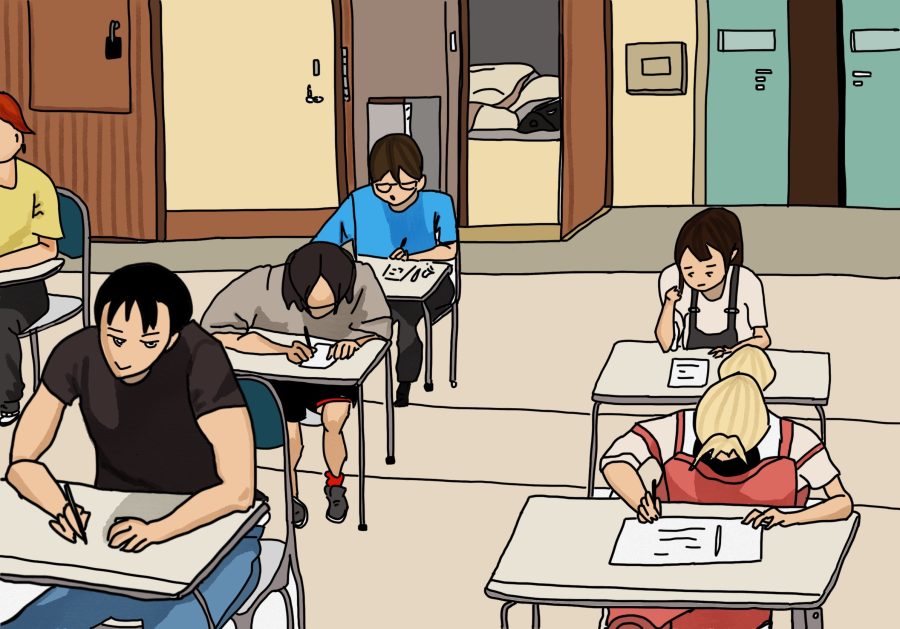









































A classroom is not just four walls, but rather one of the most important learning tools a teacher can utilize. For years, the physical classroom has been viewed as a space where students are required to be present to learn material—a place where students are forced to sit in boredom, either listening to their teacher lecture or working on a seemingly endless assignment, draining their energy. The way teachers set up, or even curate, their classrooms has a significant impact on the academic performance of their students.
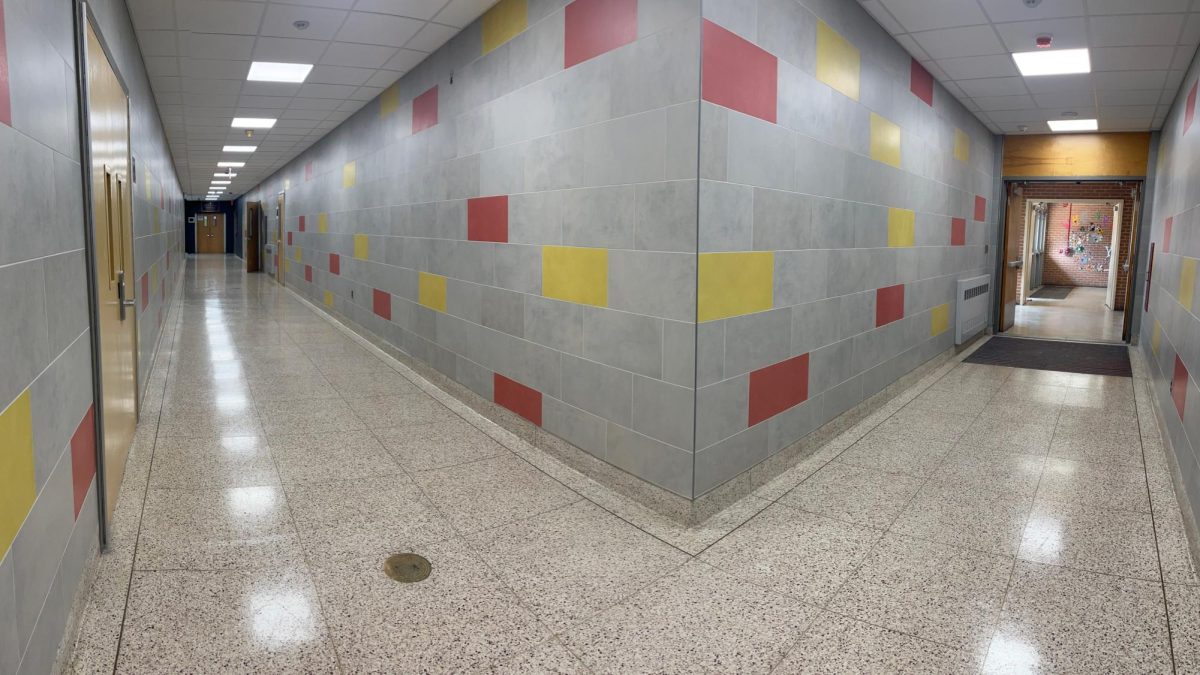
Some classrooms make students feel like they are only staring at a lifeless board, causing them to constantly zone out. Ultimately, this lackluster leads to a lack of engagement and forces students to spend more time on the topic at home. This seemingly extra work, on top of preexisting commitments, piles up on the student. Trying to learn so much information all at once induces stress in students, and this can lead to a lack of sleep. Overall, this lack of sleep could eventually lead to worse academic performance in classes. However, with simple adornments to the classroom environment, teachers can help improve students’ focus and performance by creating a supportive learning environment.
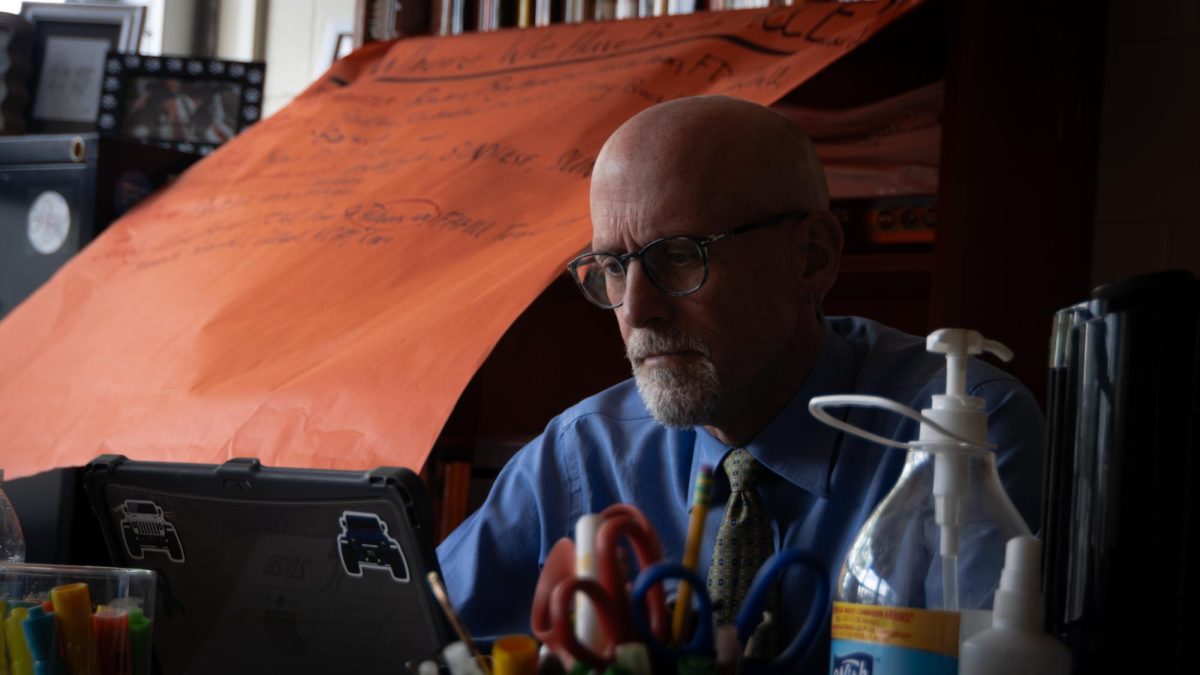
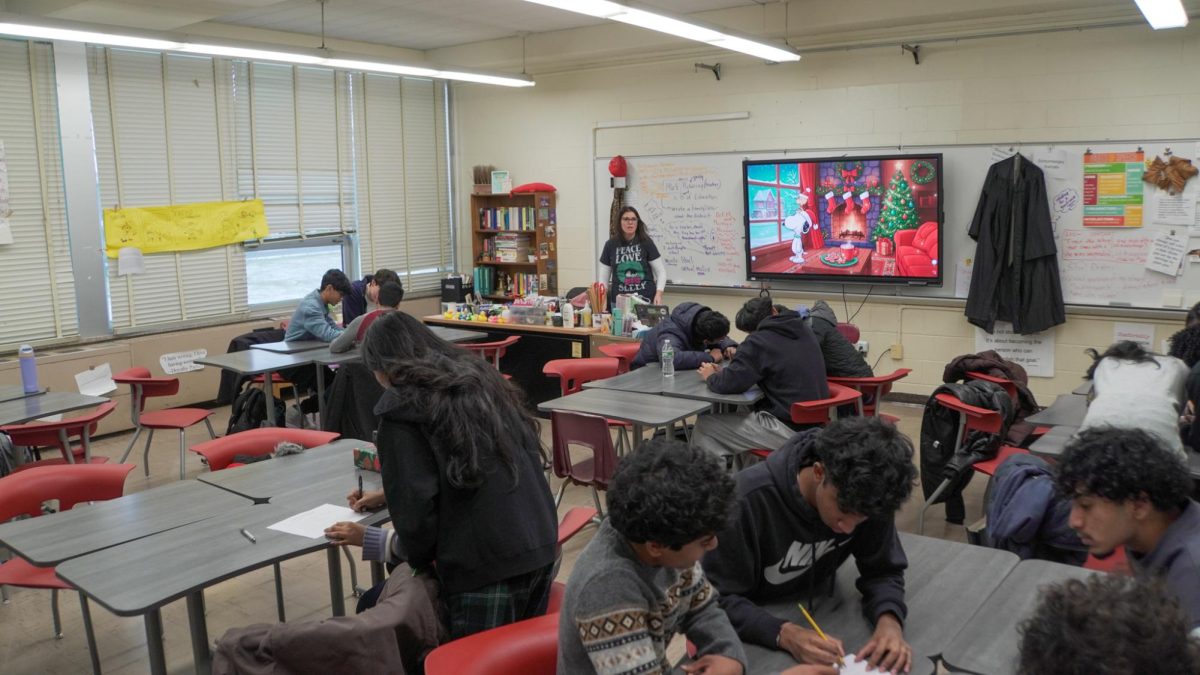
Several examples of unique classroom setups can be found in various rooms at Edison High School. One specific example is art teacher Ms. Anne Fernandez, who teaches Visual Arts 1 in room 005. The room has several drawings and plants, allowing students to get a better sense of the creative and collaborative space.
“Part of it is its functionality; students need to move around to access supplies. Part of it is also aesthetics, and colors make it interesting,” said Fernandez.
Various features, from functionality to the presence of aesthetic colors, all have a major impact on creating an innovative classroom environment.
Another example of a creative environment is English teacher Ms. Taylor Brennan’s room 225. The room includes plants like Fernandez’s, as well as flexible seating options for her students and a lemon theme.
“They enjoy it; they like to do jobs like watering plants. The students turn the lights off and on and request to work in the flexible seating area,” said Brennan. “Working there makes them feel comfortable. The students like to work in groups, especially with flexible seating.”
Allowing a flexible environment helps the classroom be more comfortable for students to learn in. It also allows students to be responsible and make their own decisions to improve their learning and promote their interest in certain topics.
Overall, the environment and classroom setup significantly impact a student’s academic performance. Without a comfortable environment, a student will lose focus and hope for the class to be over. However, with classroom environments favorable to the students, focus and academic success are much more likely to increase. As such, classrooms can enable students to be happier during class and more open-minded about new learning opportunities.