





























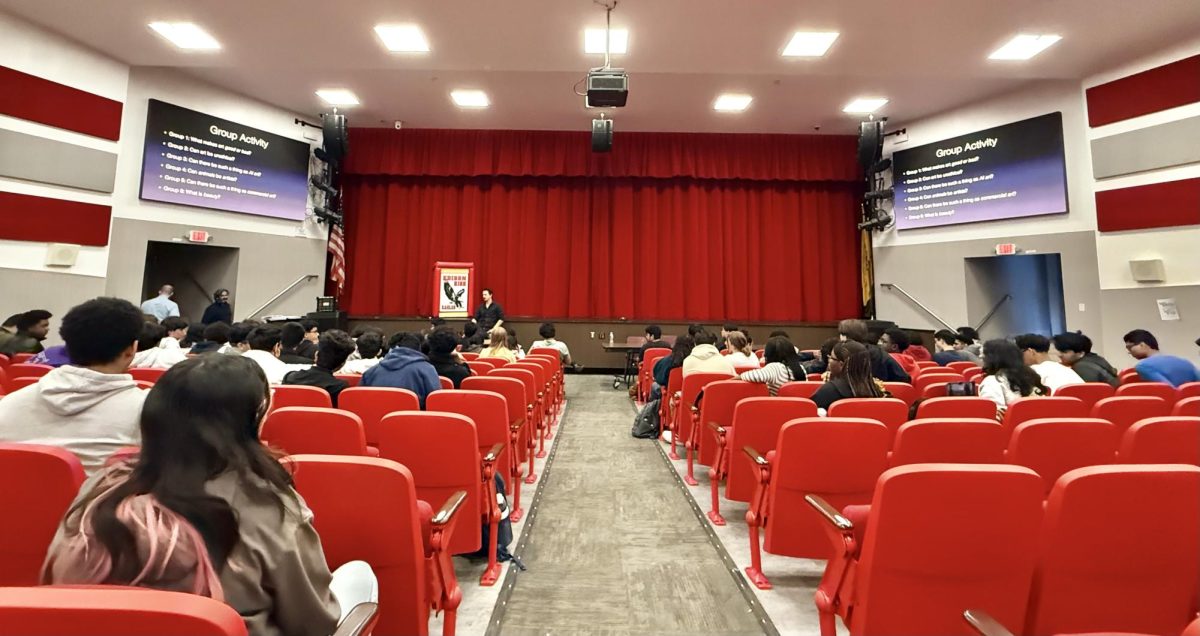
“What is a chair?” The question filled the atmosphere for a few moments, followed by a few nervous laughs and hesitant pauses.
One student quickly replied, “Something you sit on.”
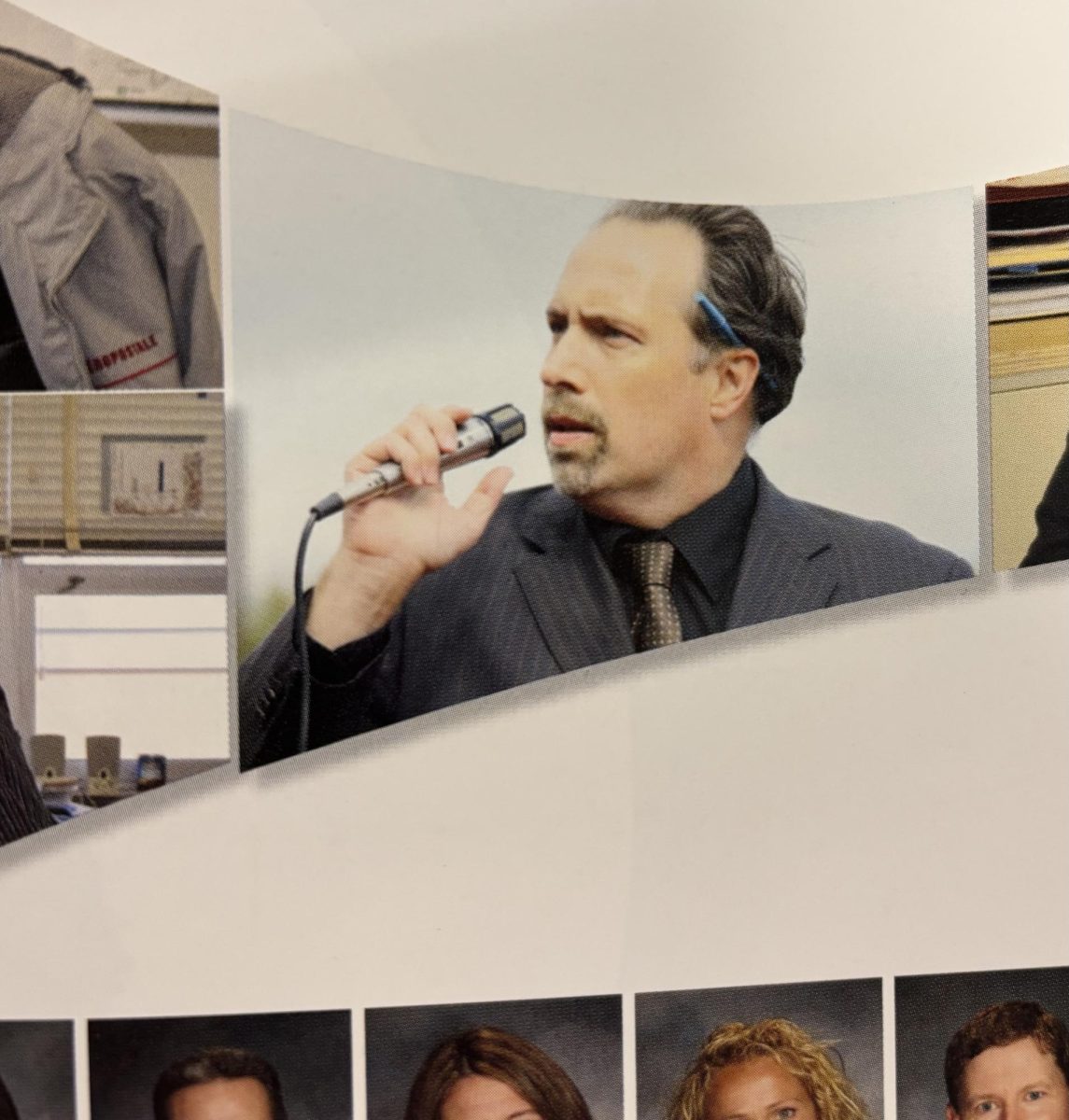
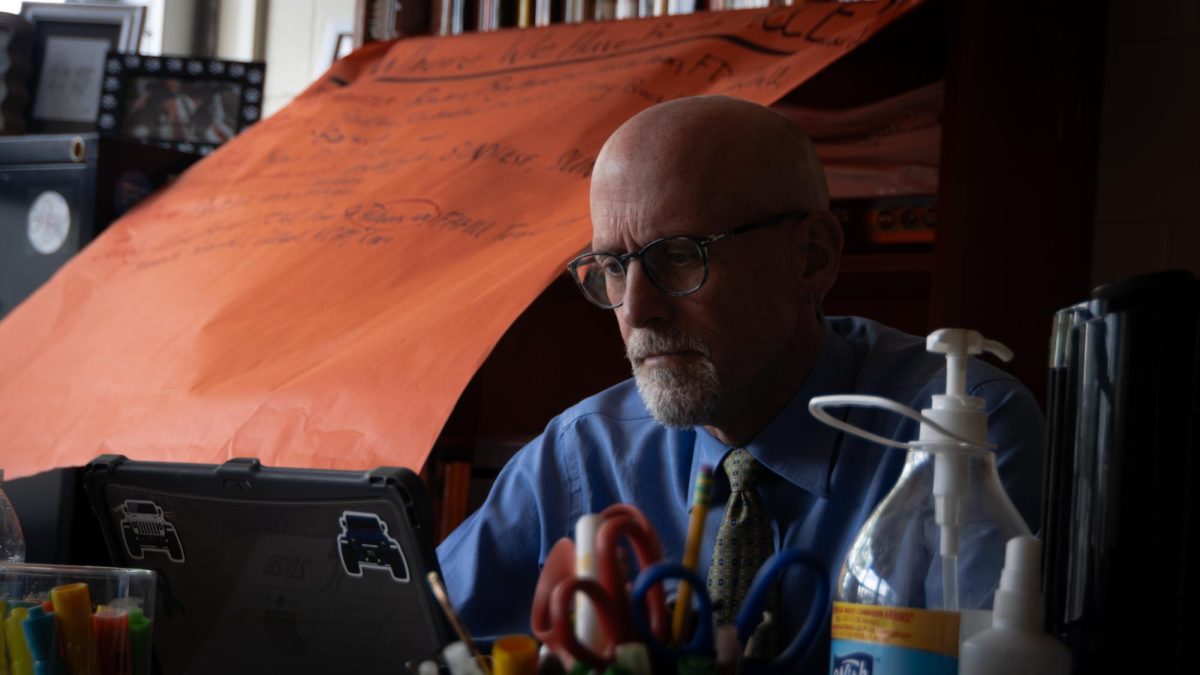
Professor Anthony Celi smiled before countering, “You can sit on all types of things, the floor, the auditorium stage behind me, a relaxing bathtub with hot water, and infinitely more. Do you think they are chairs?” Another student responded, “A chair is something you sit on with four legs.”
Celi raised an eyebrow: “According to you, then, a horse is a chair? What about an elephant?”
The students appeared dumbfounded. How could such a basic question require such a complex and specific answer? Philosophy, as students were learning, is not about vague generalizations in life; it is about specificity and the derivation of exact definitions. “Philosophers are often associated with the cultural stereotypes where they talk about the broad aspects of life,” Celi said. “But in contrast, they have to be precise, annoyingly precise.”
Due to the perplexing nature of philosophy and the questions it raises, Celi also explained that philosophers often confuse themselves with simplicity.
“Philosophy undergirds everything you do and think,” said Celi.
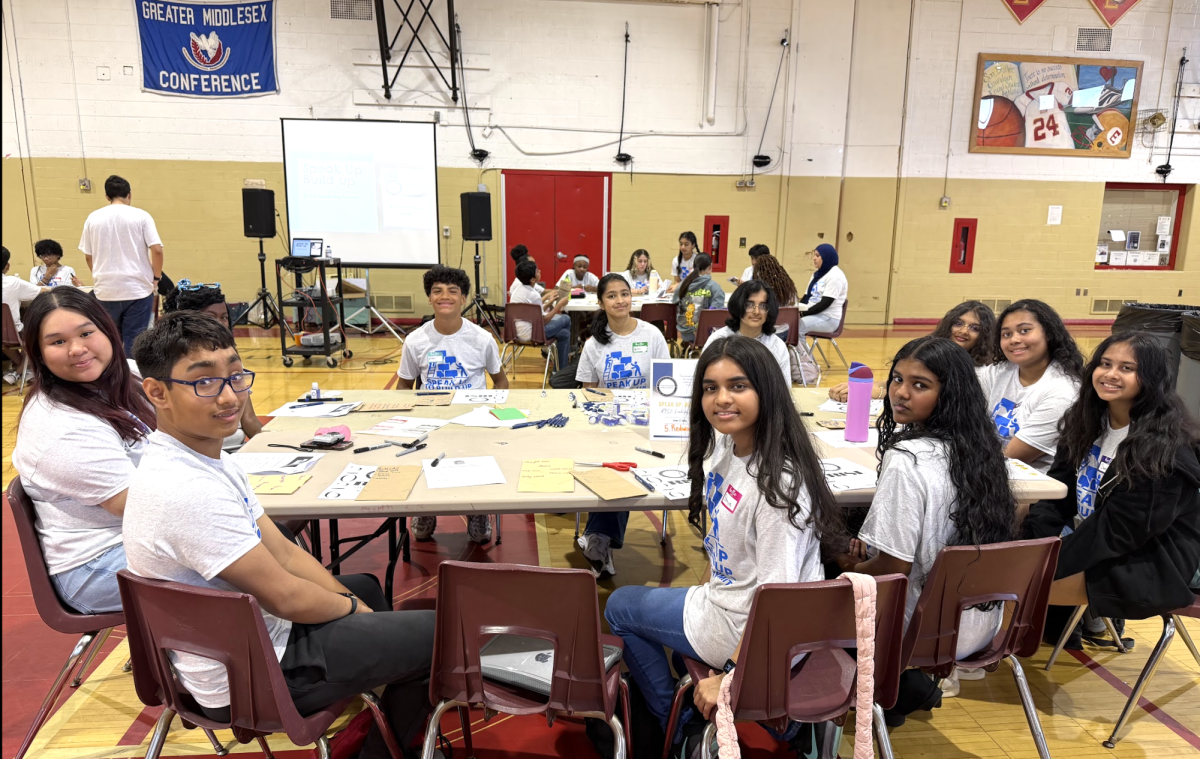
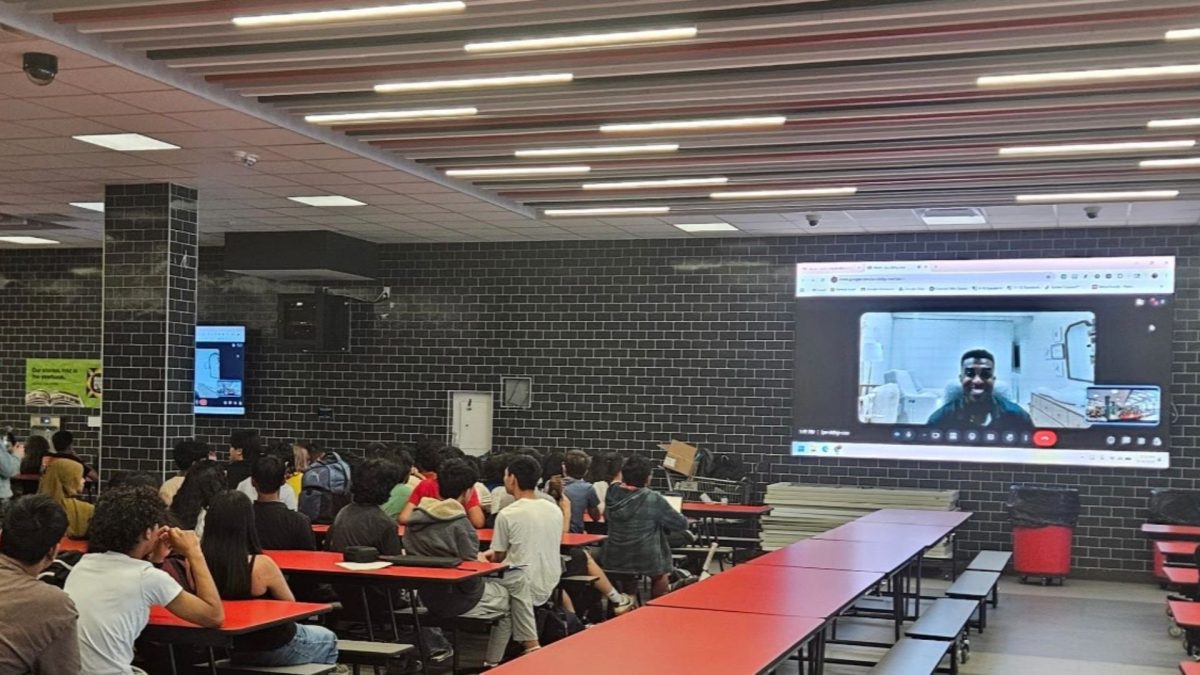
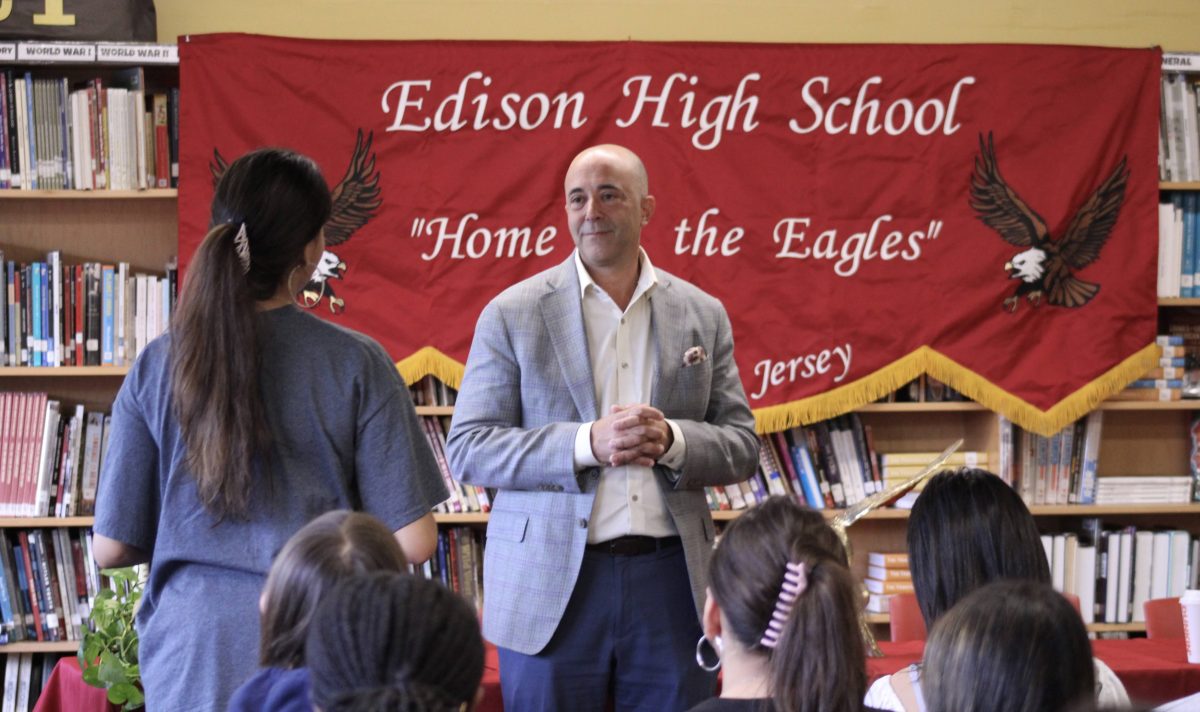
This snapshot perfectly captures the essence of the annual Public Philosophy Project (PPP) held at Edison High on October 18: a discussion-based seminar conducted by history teacher Dr. Gene Nasser and hosted by Professors Anthony Celi and Giuseppe Rotolo from Middlesex College. The event invited students to experience reality from the perspective of a philosopher and encouraged them to deeply engage with fundamental questions about the daily aspects of life, meaning, and truth.
This year’s session was focused on aesthetics, the branch of philosophy that studies art and elegance. The professors also motivated students to move beyond their own views and to explore how people, as a collective, define and experience beauty.
As a warm-up, Celi handed pieces of paper to everyone in the auditorium to note their ideas. He began by asking the question, “What is art?” As he finished asking the question, several eager students raised their hands and shared their ideas. Through lengthy discussions, the group decided that art is an expression of emotion with creative intent. But Celi and Rotolo added that emotion and creativity don’t just define peaceful and light-hearted art, but also extreme and dark pieces. In other words, art can’t be contained by a clear-cut definition, as it is an umbrella term full of subtlety and variation.
The PPP was born from a simple but ambitious idea: Philosophy shouldn’t be confined to a classroom.
“We chose to start the PPP because we thought that philosophy had value outside the classroom, external to simple academics,” Rotolo said. “And to actualize that goal, we started to do different events in different contexts.” Those different contexts have expanded beyond EHS.
The two professors host “Philosophy Heights,” which are “walk-and-talk” gatherings that bring together students from multiple schools to discuss big questions and make connections. They have also organized charity events and host a podcast named, For the Love of Sophia!, where they cover the application of philosophy in one’s personal life.
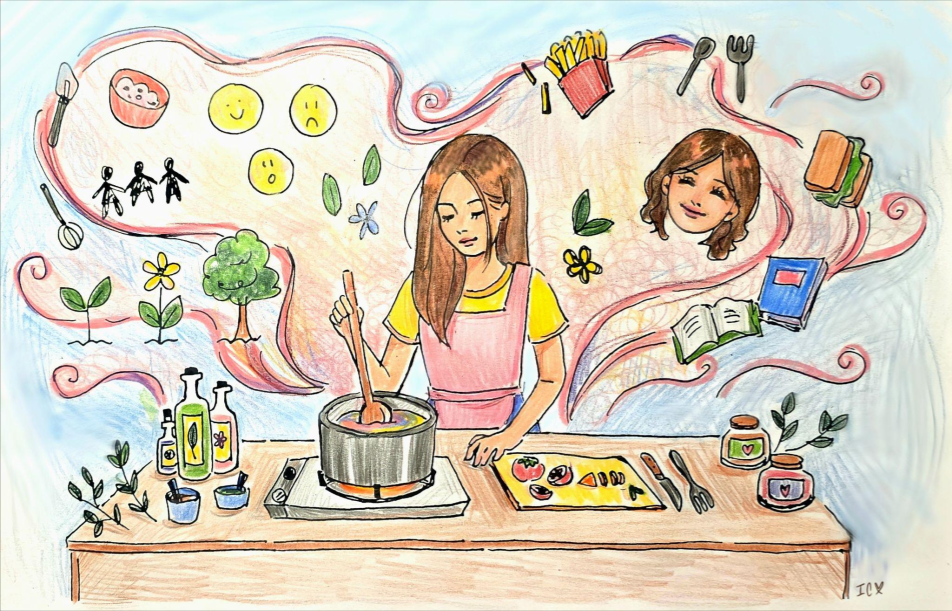
Light refreshments were provided by Ms. Danielle Heath’s Culinary Arts II class at the halfway interval. Attendees were pleased to be served small finger foods such as cookies, banana bread, salads, and various other snacks.
“Nasser could easily purchase refreshments from a store instead,” Heath said, “and it shows that they trust and enjoy what we are providing to the seminar participants.”
The seminar addressed philosophy as the inquiry into the structure and patterns of life, emphasizing clear definitions and providing rational arguments. The project reminded everyone that philosophy isn’t just about the textbooks and mythology; it is a way of paying attention. As both professors said, philosophy is about “thinking in slow motion,” pausing to notice the nuances behind our thoughts and the meaning behind our everyday experiences.
Through the seminar’s engaging format, many students were hooked by the nature of philosophy and its role in their daily lives.
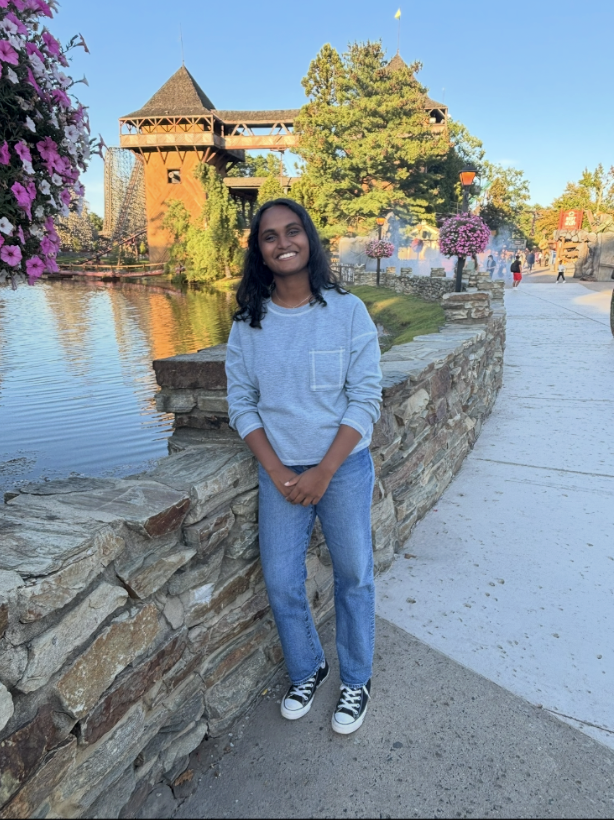
“I thought it was great and enlightening to hear what other people with different backgrounds think about such an abstract topic,” said Pranav Shankar ‘27.
In a constantly changing world that prizes quick adaptation, clarity, and certainty, the Public Philosophy Project provided something different: time to think. Time to challenge yourself. Time to reason. And maybe, that is the greatest beauty in a human’s world.