




















































Compared to studying for tests, finishing homework, and keeping up with extracurriculars, staying hydrated often serves as an afterthought for EHS students.
Water makes up about 75% of the human brain, and dehydration has the potential to create a negative impact on memory, mood, and concentration. Young age masks these impacts; however, the effects of long-term dehydration become more pronounced in adulthood.
It is important for students to keep hydration in their minds as they go through high school and life in general. In America itself, thousands of people face hydration-related diseases and health issues after ignoring their water intake.
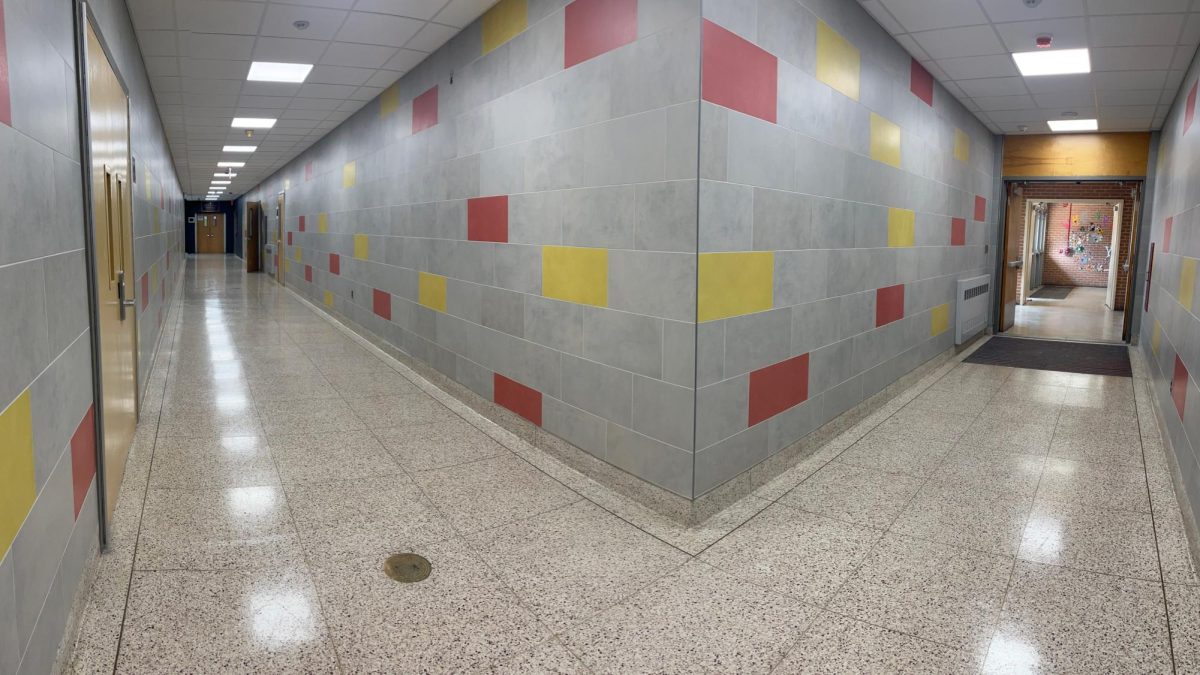
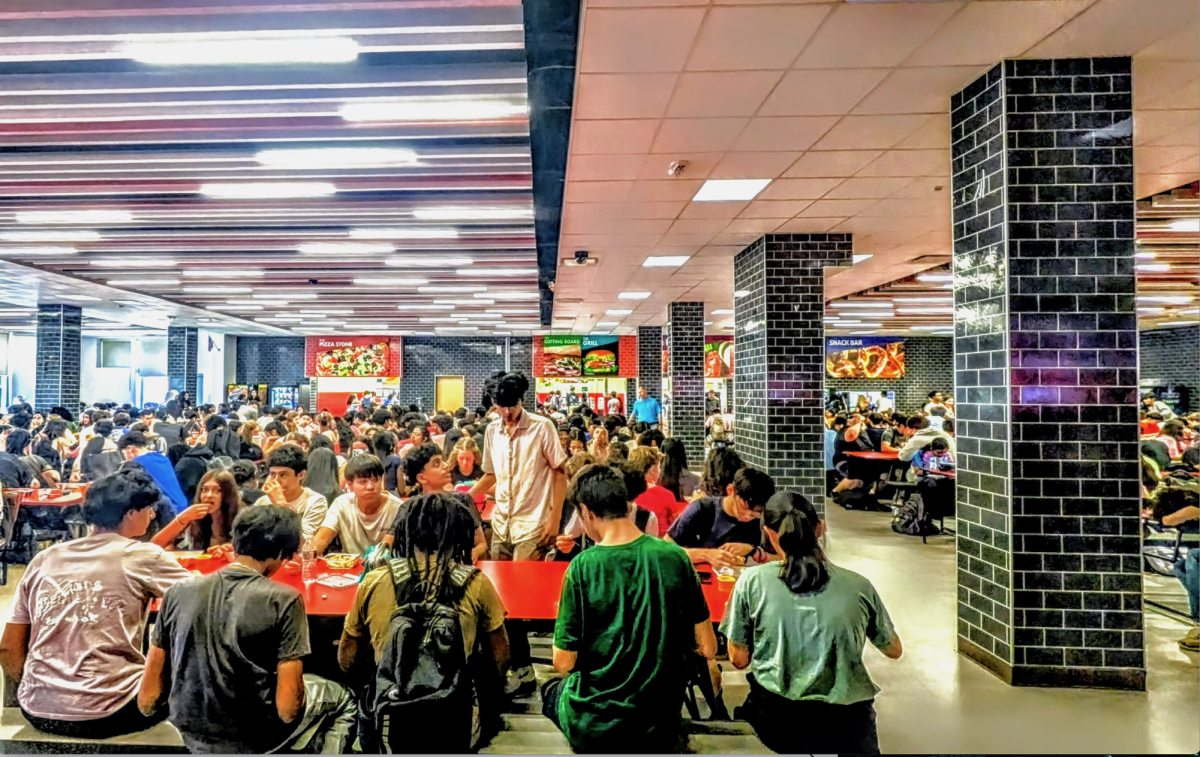
Yet, in the hallways of EHS, hydration is often forgotten about and ignored. Students go from one class to the next with their backpacks full, earbuds in, and calendars booked, often forgetting to take a sip of water. Many students at EHS also admit that drinking water just isn’t a priority during the fast-paced 7-hour school day.
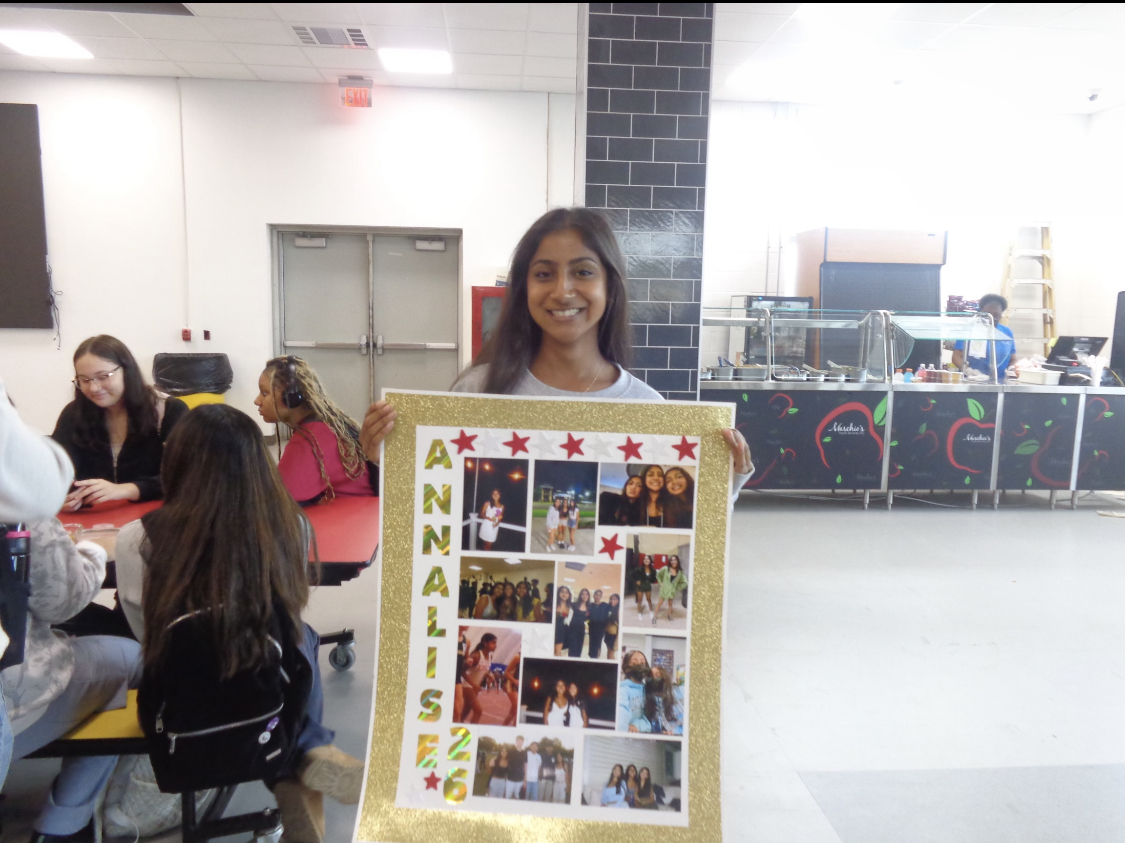
“Honestly, I don’t even think about drinking water during school,” said Vibunav Janaki Ashok ‘27. “I’m just trying to get to my next classes and finish my assignments on time.”
For others, the issue goes beyond just forgetting to hydrate. Rather, many students explain that convenience plays a large role in how much water they drink each day. From the hassle of carrying large water bottles to the overcrowding of refill stations between periods to the inconvenience of using the restroom, hydration loses its simplicity in the broader scheme of a student’s life. Additionally, the old age of the school adds uncertainty for users despite the installation of more modern filtered water systems located throughout the school.
“One day, I forgot my water bottle at home, and I didn’t trust the school water enough to drink from the water fountains,” explained Rakshit Varshney ‘29. “It led to me being a lot more tired in class, which meant I wasn’t at my full capacity to do my best work.”
Perhaps the bigger challenge is building the simple habit of keeping a water bottle handy. With busy schedules, four-minute passing times, and crowded hallways, hydration easily slips out of students’ minds.
Teachers can also see the impact that minimal hydration has on student performance and attentiveness during class. Many teachers feel that hydration has a real potential to impact student performance, especially within the classroom.
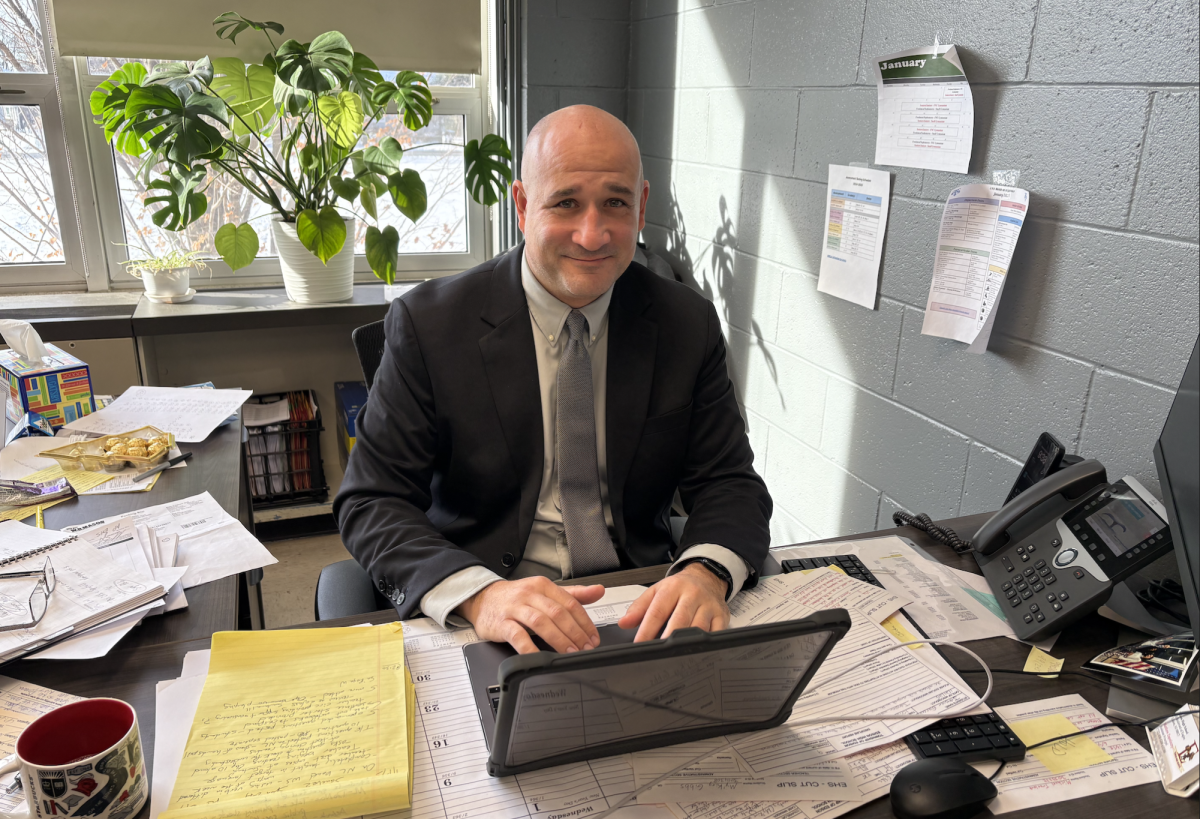
“I do not notice many students drinking a lot of water during class. I believe that hydration has the potential to help with staying awake and focused while in class,” noted calculus teacher Mrs. Lynn Harris.
Hydrating does not need to be a challenge in the future, however. Just the thought of hydrating can push anyone to pick up their water bottle. Taking a more conscious effort to stay hydrated comes with significant benefits. In particular, drinking a few sips of water before class starts, or keeping a smaller water bottle visible, are some ways through which students can do so. These small adjustments can have a noticeable impact on students’ focus during class and their health later in life.
As students continue to balance their academics, sports, and extracurriculars, hydration continues to be one of the most overlooked factors in staying healthy. While it may not be the center of gossip amid the hallways of EHS, its influence is prevalent in classrooms, on the field, and in after-school activities.