
















































SPOILERS AHEAD!!
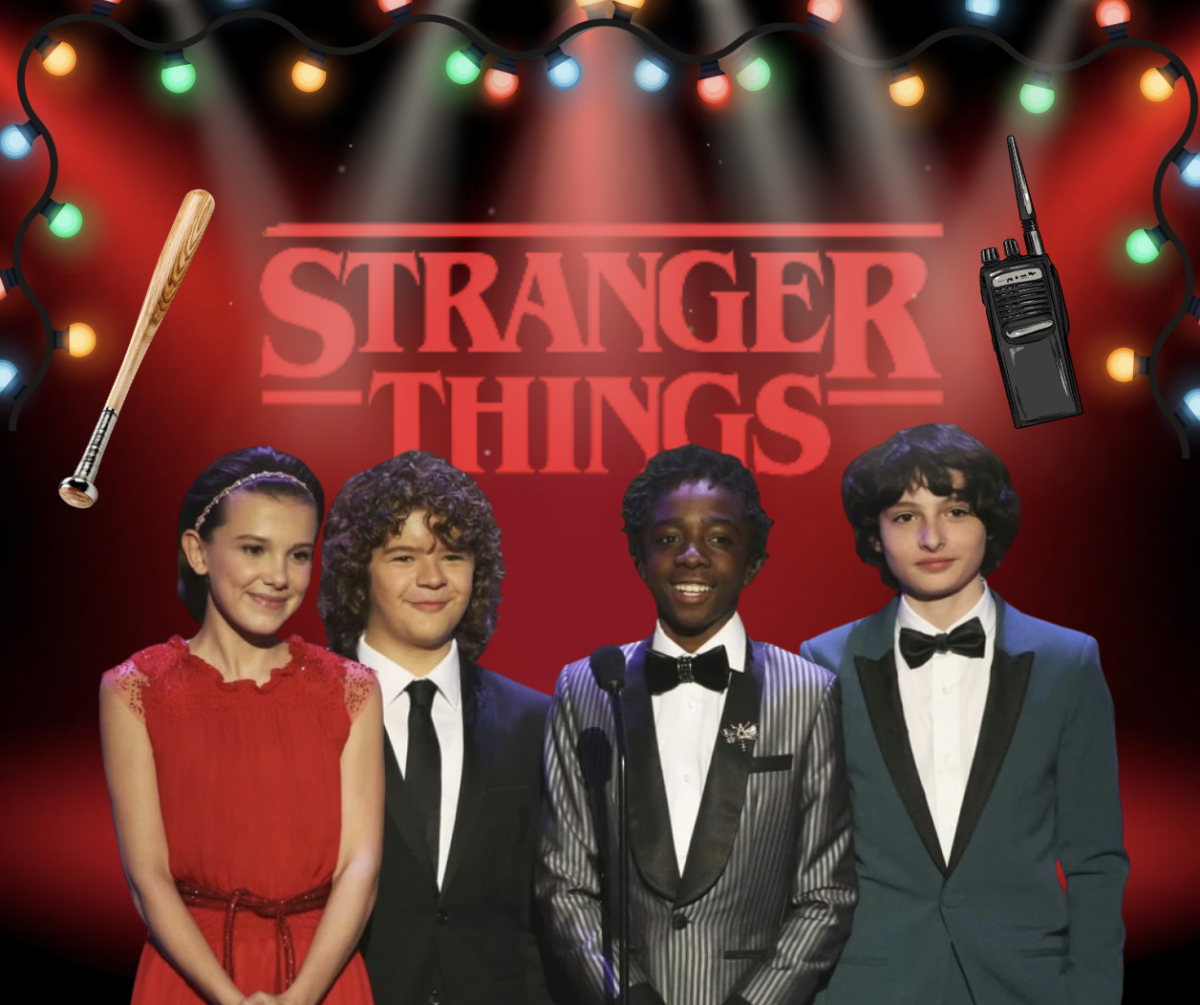
After completing its fifth and final season, Netflix original series Stranger Things waves goodbye to nearly a decade of storytelling, hard work, and dedication after solidifying itself as one of the most popular series in the world. The finale left many watchers hooked and many others confused, largely due to the huge cliffhanger left at the end—Eleven’s ambiguous sacrifice to destroy the Upside Down.
But after all of this shock and confusion, one question continues to linger: How is this show so popular? What makes Stranger Things so unique and striking, that millions of people are sitting on their couches and beds all day and gluing their eyes to their screens, waiting years between seasons to return to Hawkins once more?
According to Stranger Things Wiki, The Duffer Brothers, the sole creators of the series, confirmed that some of their main influences in making the show were author Stephen King, known for his horror and sci-fi works, Filmmaker John Carpenter’s 1978 film Halloween, and Wes Craven’s film A Nightmare on Elm Street. Most of these influences incorporate horror or sci-fi qualities, attributes that the show reflects. Stranger Things is known for its horror elements, such as Vecna’s devilish-looking figure and face, but besides costly graphics and extensive prosthetics, what really makes the series binge-worthy in one sitting?
Well, the brothers also confirmed that one of the show’s strongest qualities is its nostalgic setting. They aimed for Stranger Things to capture the ‘old feeling’ of classic films they watched while growing up in 1980s America, a feeling that connects to the setting in which the show takes place.
Furthermore, they aimed to pass their prolonged sense of childhood nostalgia onto younger generations so that others could explore the interests and media that shaped their youth. This retro setting captures the attention of younger generations as a new concept to them, introducing the ‘80s through its distinctive aesthetics, such as big, puffy, and curly hair, with neon and preppy colors for outfits. These qualities are especially embodied by Nancy Wheeler, whose voluminous hair and preppy outfits remain emblematic of the ‘80s era.
Music also plays a major role in Stranger Things, featuring a variety of popular ‘80s songs including “Runnin’ Up That Hill” by Kate Bush, “Every Breath You Take” by The Police, and “Should I Stay or Should I Go” by The Clash. Kate Bush’s “Runnin’ Up That Hill” became a massive hit with the release of Season 4, making her a global icon for “saving Max’s life.” The inclusion of these songs reinforces why Stranger Things has gained success over the years, symbolising the 80s as a classic era of pop culture and music.
“It makes you feel really nostalgic even if you haven’t lived in that time,” said Afifa Shanum ‘28. “The bikes, music, and outfits make the setting feel more like memories than a TV show.”
In Netflix’s recent documentary, One Last Adventure: The Making Of Stranger Things 5, Shawn Levy, the executive producer of the show, said, “The rules of movies and TV back then said: ‘you can’t make a show about kids that isn’t for kids…you can’t combine horror genre and coming-of-age’…It was that transgression that made it feel so fresh.”
Breaking standards of film is what also sets Stranger Things apart. By combining themes that don’t usually go together,—such as horror and comedy—the series fulfills the hearts of audiences who look for unique storytelling and genres. Starring children who don’t really speak like children allows the viewer to feel more open and welcoming to the show, especially since most audiences have a strong soft spot for children in film. The kids’ unpredictable attitudes, behaviors, and ruthless language gives the viewer freedom to openly enjoy the show with no limitations pressed on the children.
“It’s definitely nothing like I’ve ever seen before, it actually follows the story line and it stays the same from the beginning to the end,” said Kaylee Christel ‘27. “The directors actually care about the cast and they all get along very well.”
Another reason for Stranger Things’ success is its character development. Each character is different in their own unique way, emotionally, physically, and mentally, urging the audience to invest in their different personalities and experiences. While watching their favorite characters’ development every season and tuning back in to witness it, audiences form deep connections and long-term attachments.
“I came for the horror but I stayed for the characters,” said Hafsa Kareem ‘27.
In the end, Stranger Things’ success is definitely well-deserved because it doesn’t offer more than just entertainment, but gives people connection. The nostalgic popping and trendy songs, distinct outfits, and backgrounds of each character screams comfort and strikes the eyes of younger generations. As fans leave Hawkins for one final time, Stranger Things marks its significant impact in modern day television really clear.