



















































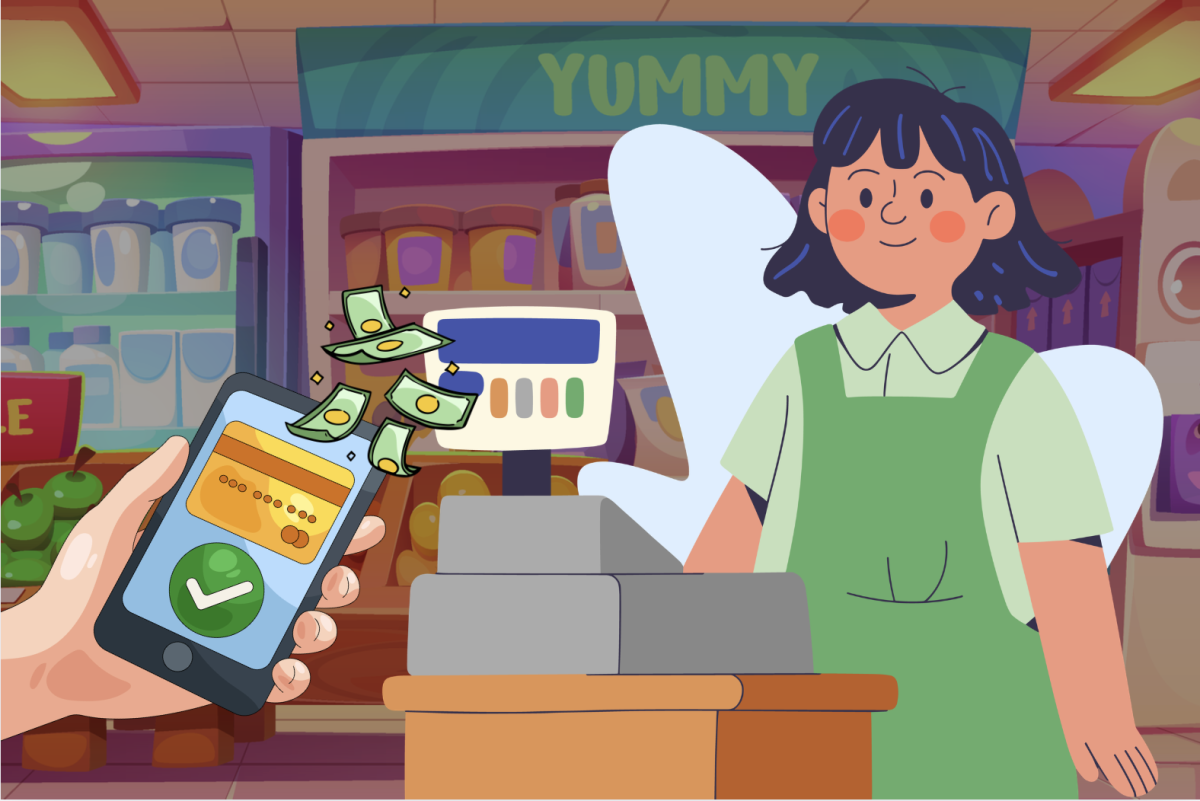
The ShopRite checkout line tells two different stories. One customer pulls out a fresh $20 bill from their wallet and waits to receive change from the cashier. The next customer doesn’t reach for anything, tapping the scanner with their iPhone and walking out the door within seconds.
This scene captures the shift to digital payment that is unfolding across the globe and in the hallways of Edison High School (EHS). As digital payment methods become increasingly simpler to use, teenagers find themselves facing a choice their parents never had to make. The way Americans pay for things has undergone a significant transformation over the past decade. What started with credit and debit cards has turned into Apple Pay, Cash App, Venmo, and even cryptocurrency. The COVID-19 pandemic accelerated this shift, with many businesses going contactless and customers preferring this method. According to 2025 data from the Federal Reserve, people aged 18–24 were more likely to pay with a mobile phone, using their phones for 45% of all payments. The reasons for this shift are clear: the convenience, the security, the speed. For many EHS students, digital payments have become the norm. The ease of leaving home with just a phone to make purchases offers unprecedented accessibility. Students who use digital payments often have better spending awareness through tracking in bank apps and the ability to split tabs with friends.
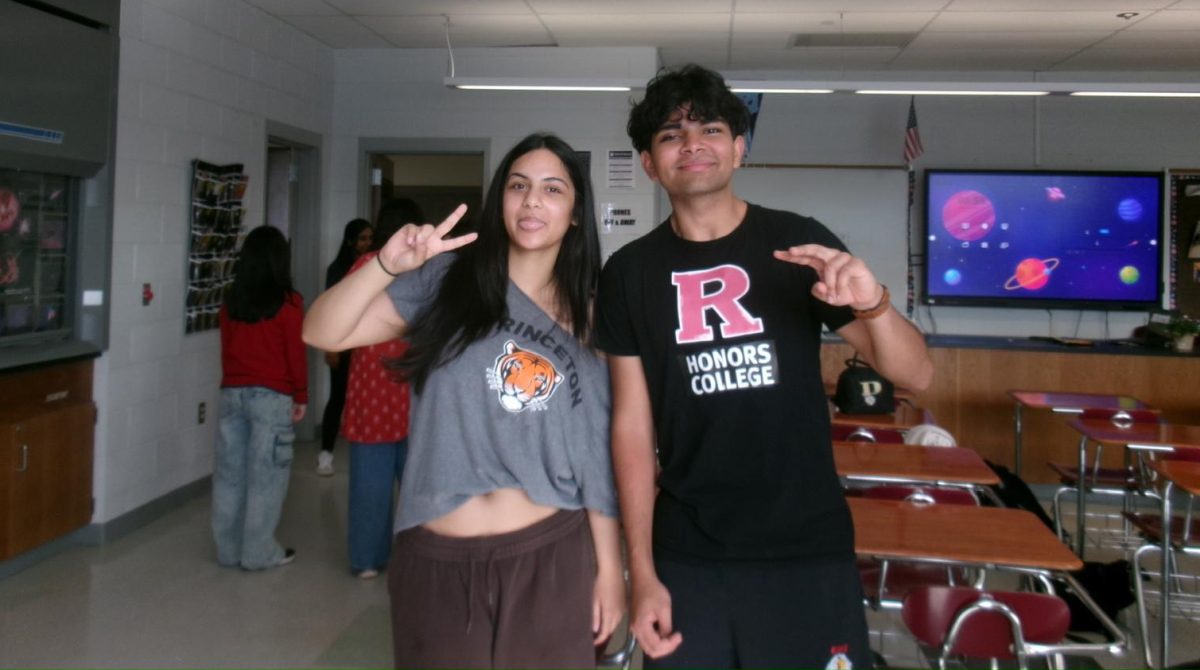
“I don’t even carry my wallet anymore,” Rohit Singh ‘29 states. “Having Apple Pay on my phone is so much easier, I can see exactly what I’m spending.” Digital payments are more than just a convenience, though; they offer financial control. The ability to monitor transactions prevents overspending, and parental monitoring on accounts allows teens to manage money with parent oversight. Moreover, using digital payments eliminates the awkwardness of carrying change when you owe others, compared to paying back a friend with just a tap. Yet despite the shift to contactless payments, cash retains its simplicity and remains loyal among EHS students. For these students, the most common advantage is that you can see and feel the money in your hands; it is harder to overspend when your wallet is empty, compared to a card that lets you tap and purchase your goods before you even check your fund balance. “Cash payments are better because you get the physical satisfaction of getting paid,” says Vishnu Venkat ‘29. “You actually recognize how much money it is and its value as opposed to reading a number off a screen.”
Students who prefer cash understand the psychological benefit of physical money. The tangibility of physical bills makes spending feel real in a way that tapping a phone doesn’t. This physicality also helps with financial awareness. Cash’s ability to offer privacy, to leave no trail, and to work regardless of phone battery life remains a core reason why some students have not made the switch.
Walking into the EHS cafeteria, the payment divide becomes visible. The school’s vending machine accepts both cash and cards. The cafeteria food also operates on the same approach, with students using either lunch accounts funded by digital cards or physical cash.
School fundraisers such as bake sales are often cash-only, for a valid reason. For small impulsive purchases like a $2 cookie, cash is simply faster and has no processing fees that cut into profits. These simple purchases convey cash’s strength, its ability to let students keep every dollar they raise. Digital payments can’t compete with the pure simplicity of small cash transactions.
As the technology evolves, so do the methods. Apple Pay and Google Wallet have become the standard for contactless payments, while apps such as Venmo and PayPal have changed how friends and family exchange money. Even cryptocurrency is becoming an option. Yahoo Finance highlights that 32% of those aged 18–29 and 30–39 have used, traded, or invested in digital currency. Blockchain-based transactions may become as common as using a credit card one day.
The trajectory of the future shows one thing: Digital payment will continue to grow, while cash declines. But the choice between the two isn’t about technology; it’s about the value each brings to the table, or rather, the counter.
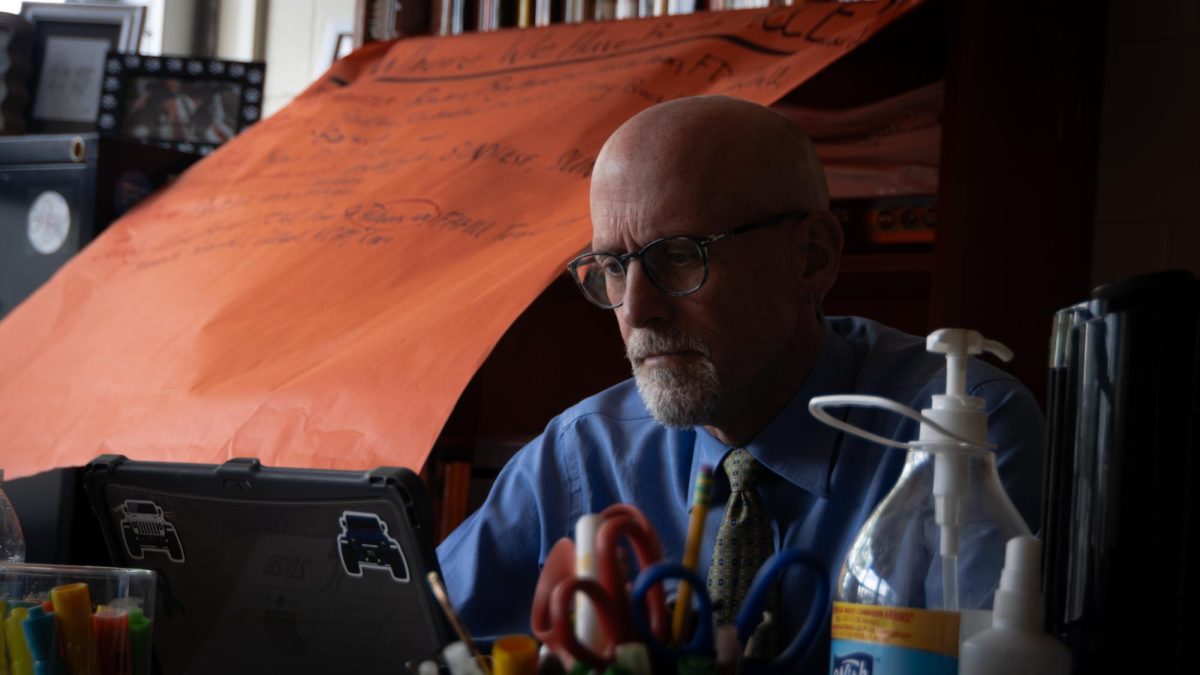
It’s also about how the current options solve dilemmas like the one English teacher Ms. Amy Grubb faces in this dangerous digital world of satisfying convenience.
“I’m a cash kind of gal,” said Grubb, “but I don’t carry cash.”