















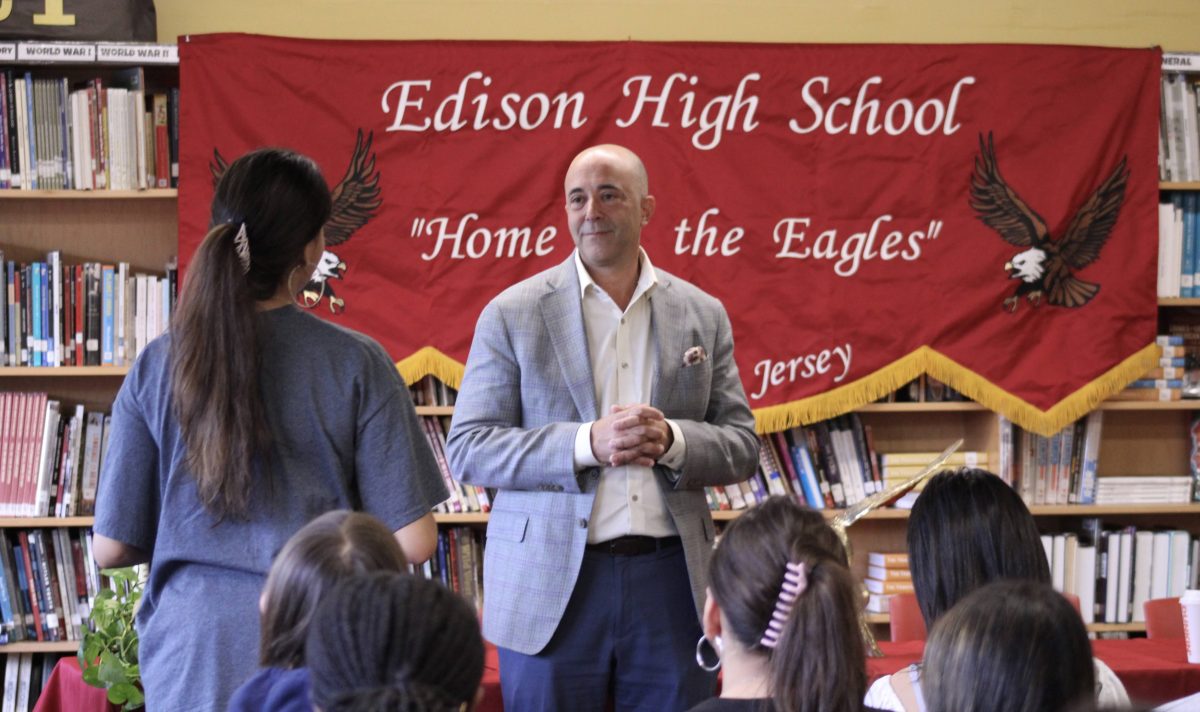






















Local elections often go unnoticed by students, but this month, Mayor Sam Joshi’s second term brings new policies that could change the day-to-day lives of Edison High students.
While adults focus on taxes and road repairs, the current administration has outlined specific plans for technology and public spaces. A closer look at the mayor’s re-election platform shows a clear focus on modernizing the town in ways that could affect how EHS students study, travel, and spend their weekends.
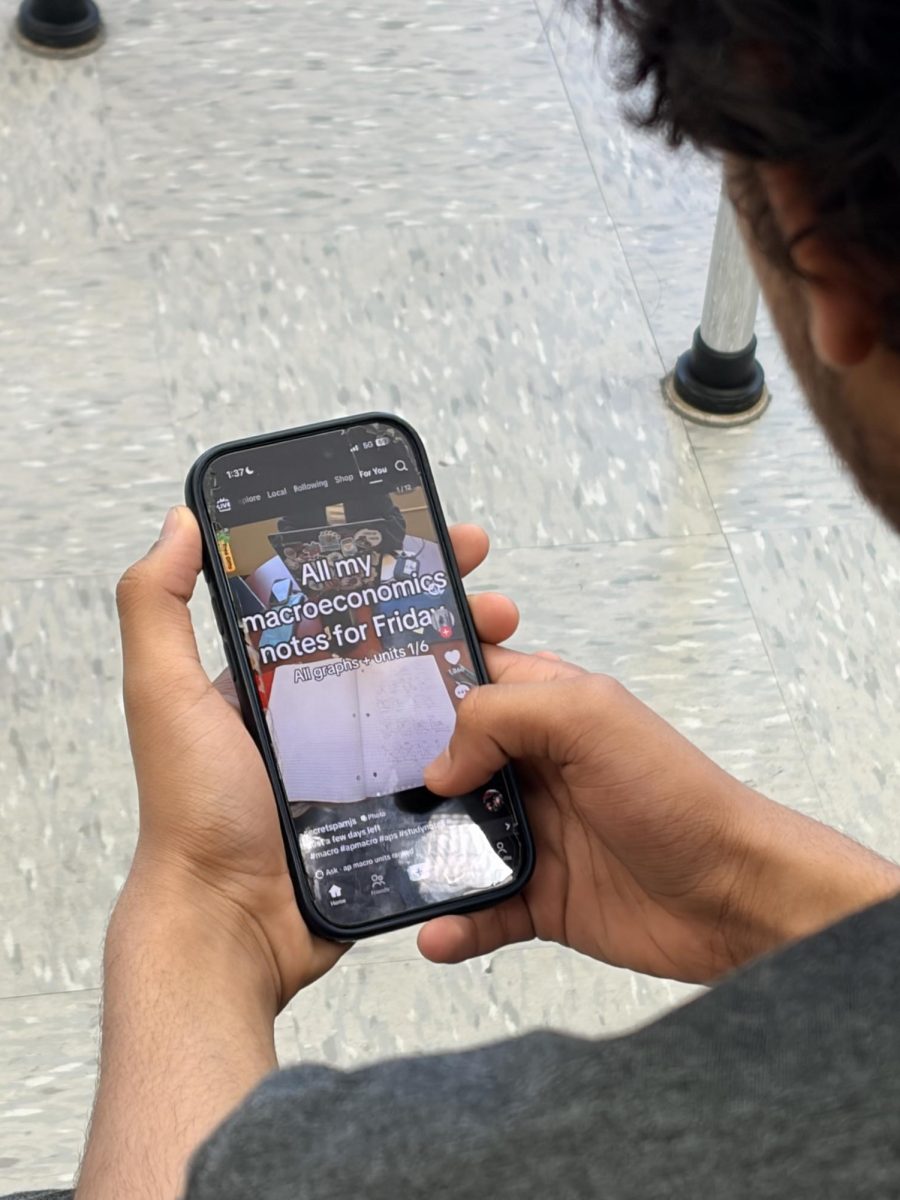
For many the most relevant aspect of the mayor’s platform is the proposed municipal broadband network. According to edisonnj.org, residents currently rely on a small number of private internet service providers, such as Optimum. This lack of competition has frequently resulted in complaints regarding slow connection speeds and service interruptions.
According to mycentraljersey.com, the Joshi administration has publicly criticized this regional monopoly in the past and secured a $2 million state grant to explore the creation of a township-owned fiber optics network. This initiative aims to treat high-speed internet as a public utility, similar to water and electricity. If implemented, the township would build its own infrastructure to provide internet access directly to residents. A public network intends to provide higher speeds at lower costs, reducing the barriers that often dismantle the ability to submit homework on time or spend time with friends online.
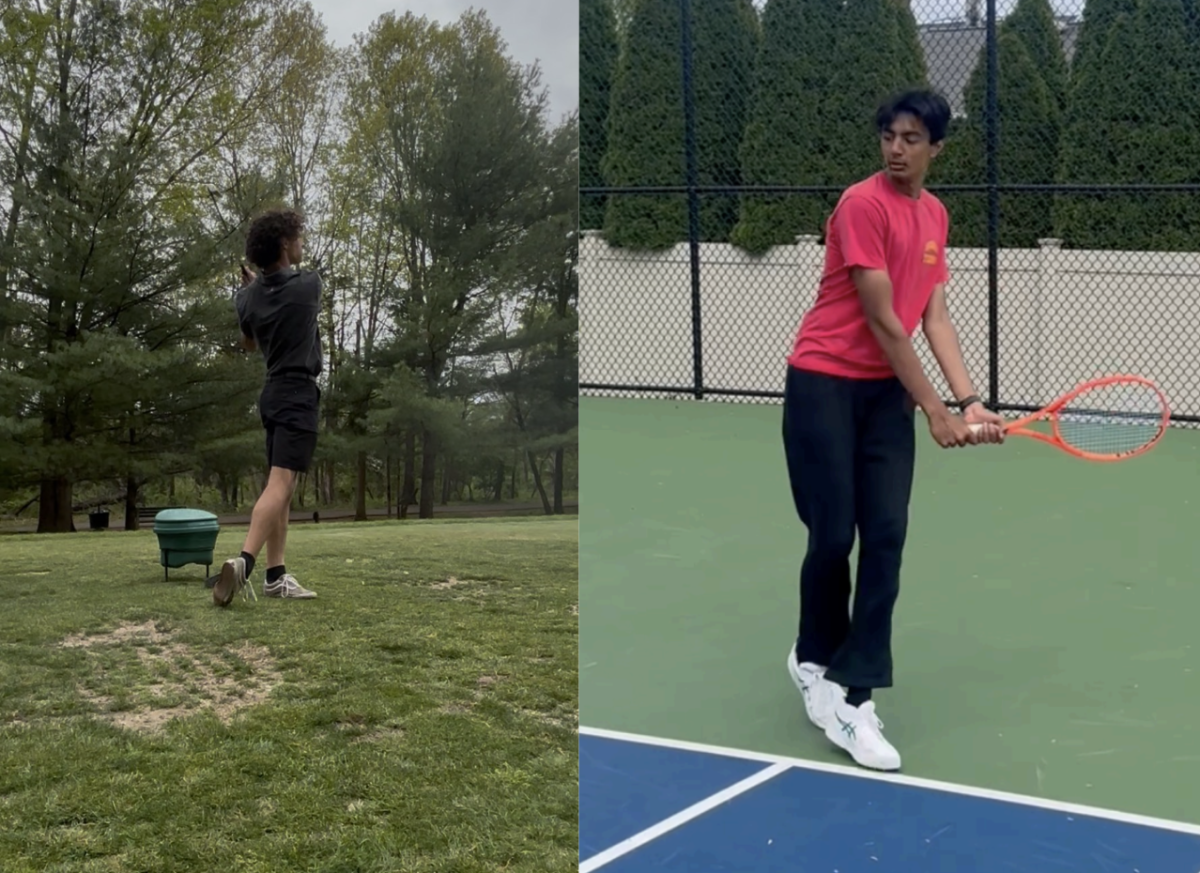
“Having a town-owned internet service would be a huge relief for students who constantly deal with spotty connections at home,” said Guru Yeturi ‘28. “In a school district where almost everything we do is digital, from submitting essays to studying for tests, we can’t afford to have our internet cut out.”
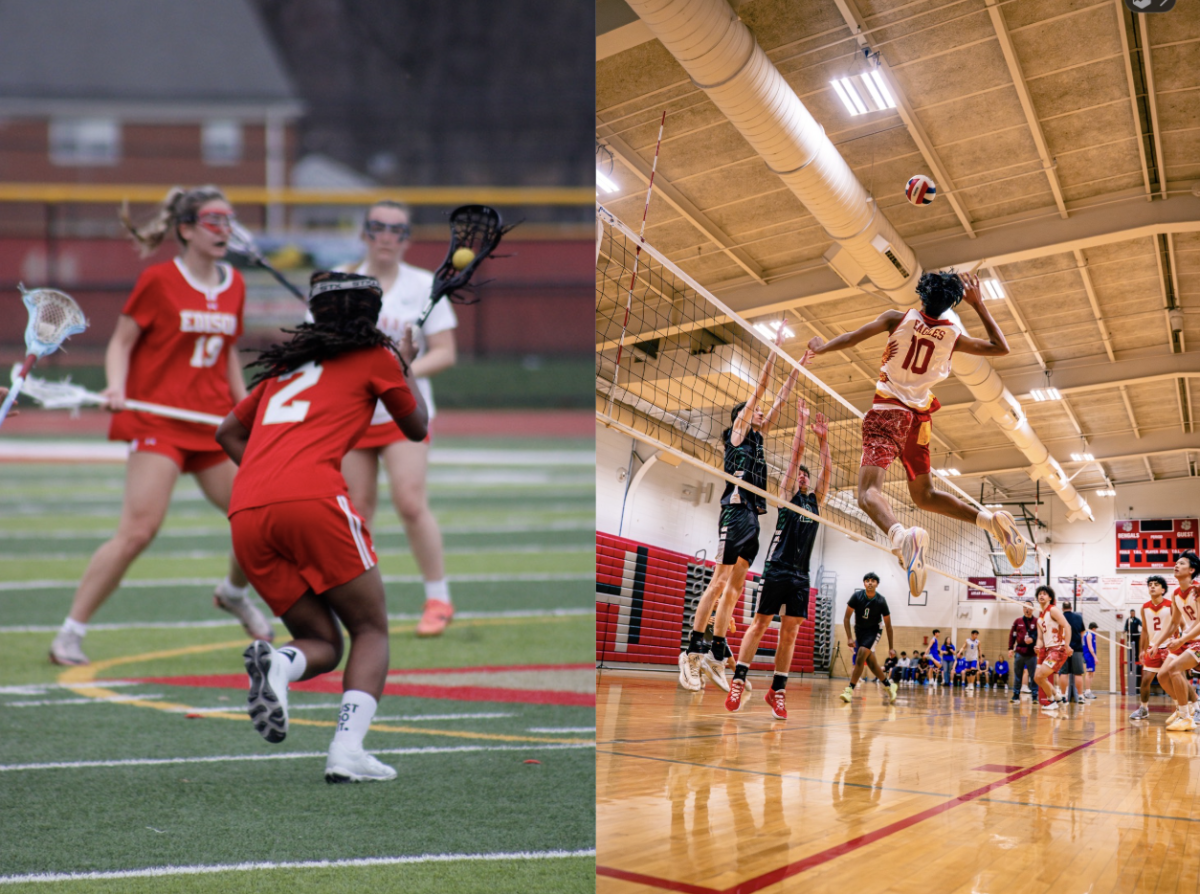
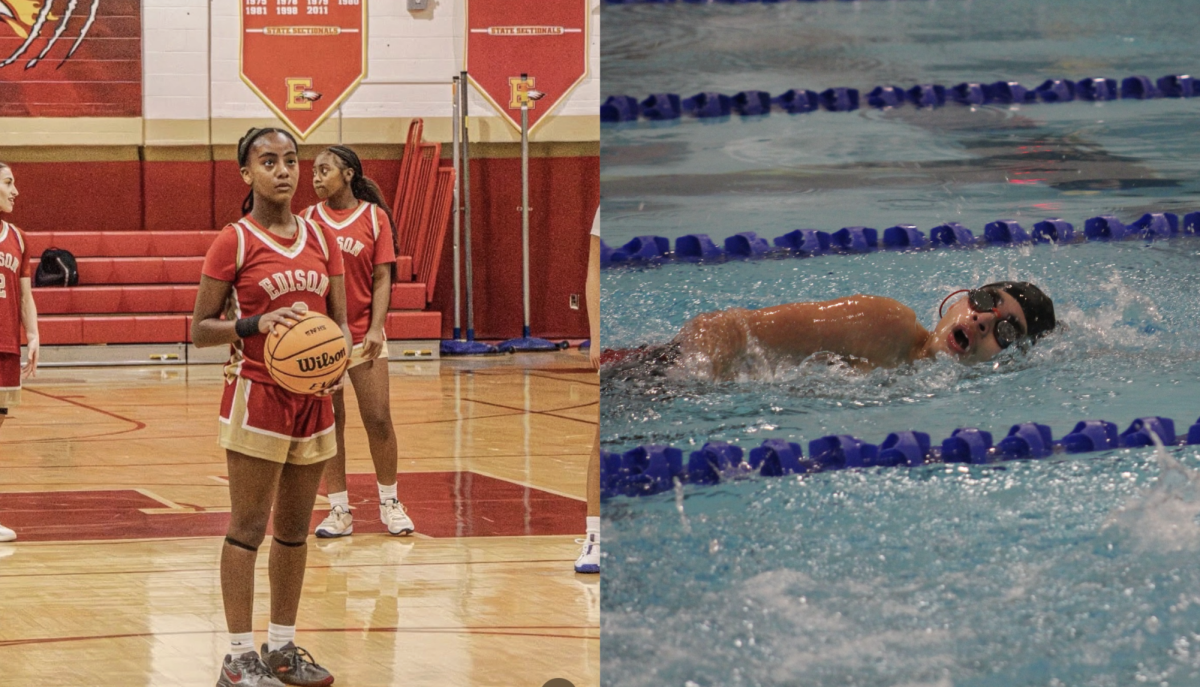
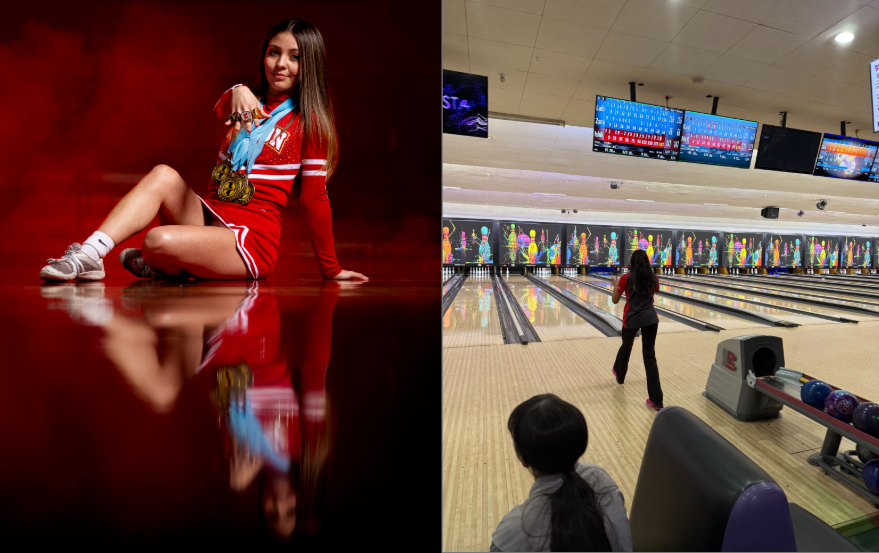
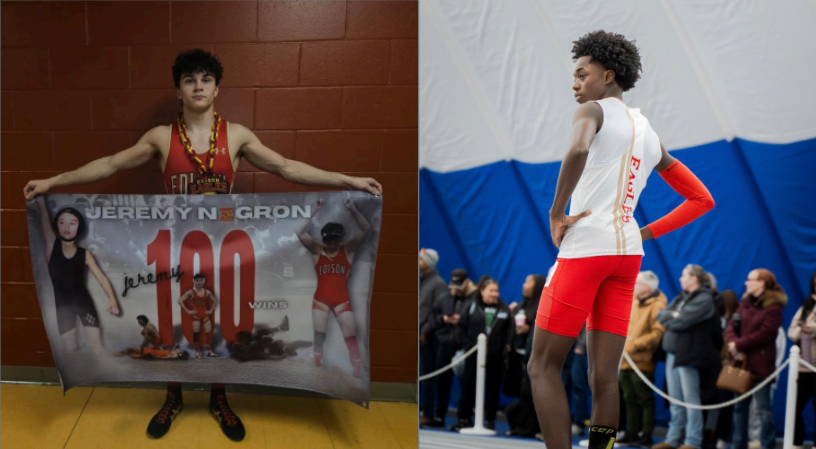
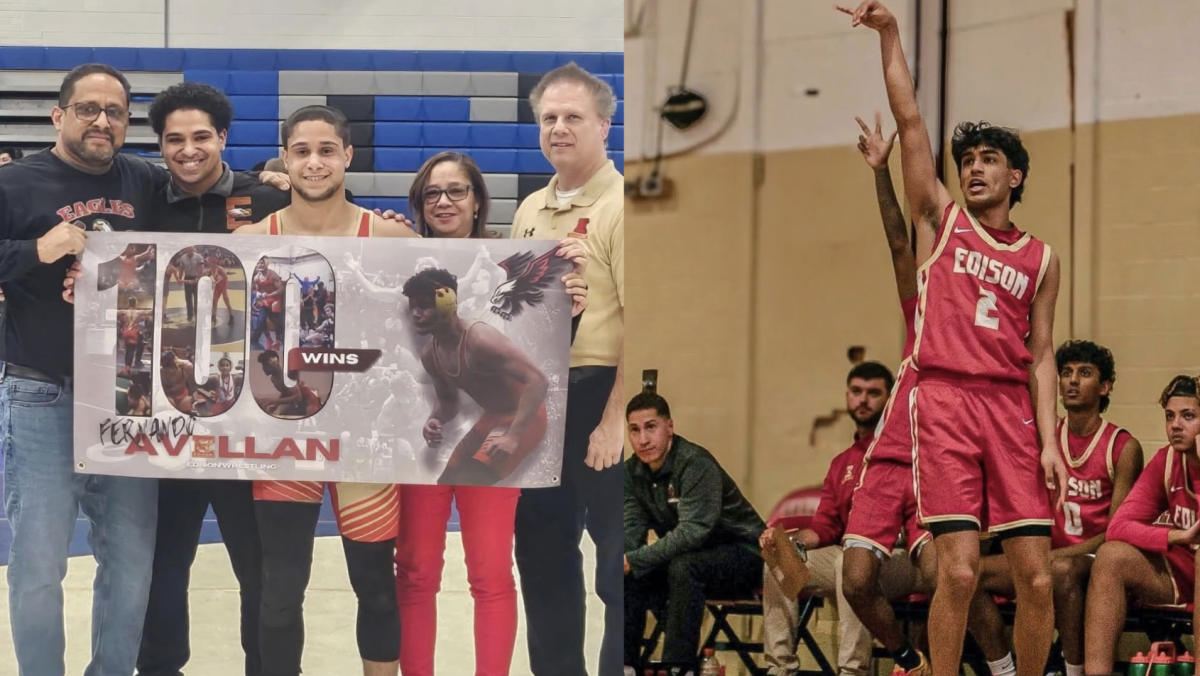
For student athletes and fans, the centerpiece of the second-term agenda is the Edison Youth Sports Recreation Center. Located near the existing Edison Jets Field on Central Avenue, this project has faced delays, but, according to edisonreporter.com, the field’s completion is a primary focus in 2026. The plans verify a structure capable of hosting basketball, wrestling, cheerleading, and lacrosse, regardless of the weather.
At the same time, the administration is backing a country-level project at Middlesex College that promises to be a “destination athletic complex,” said middlesexcountynj.gov. This includes the construction of fourteen multi-sport synthetic turf fields, sixteen tennis courts, and a cricket field. For EHS students, this development means access to professional-grade facilities for practice and league games, moving beyond the often crowded or weather-worn fields currently available. The college complex will effectively create a local “campus” for sports and recreation that has never existed in town before.
For younger students just beginning their journey at EHS, these developments represent a shift in the quality of their experience in Edison as a high-schooler.
“It’s exciting to think that by the time I’m an upperclassman, we might have these professional-level fields and a massive indoor center to use,” said Mahasvin Kota ‘29. “Right now, finding a good place to practice or play can be a struggle, especially since the weather isn’t the best. Having a dedicated sports campus would give us something to really be proud of as a town.”
Moreover, the mayor’s office is attempting to create a legitimate social hub through the Raritan River Waterfront redevelopment. The proposed project involves transforming underused industrial land into a public marina and boardwalk, complete with pedestrian pathways and recreational facilities.
Coupled with the expansion of the Middlesex Greenway into a cultural space, these plans are designed to give Edison a true “heart” where people actually want to gather. The objective is to build safe, accessible environments where students can hang out during weekends without spending money. While construction timelines for the waterfront are longer than the sports complex, the policy shift indicates a recognition that Edison’s youth need more than just parking lots and shopping centers to occupy their time spent outside.
“Whether it’s the new boardwalk or the sports complex, these aren’t just town projects. They are places where our generation will actually want to spend quality time,” said Mahmood Omara ‘26. “It feels like the town is finally prioritizing spaces for us to be active and social. Even as a senior, it’s great to know that the students coming after me will have a much more connected and vibrant Edison to grow up in.”
These policies mark a shift toward updating Edison’s infrastructure for the next generation. By prioritizing public internet, waterfront recreation, and green technology, the administration is straying away from traditional suburban management by fostering community. Although projects like the marina will take time, these changes promise better educational resources, advanced sports equipment, and an engaging social environment for all EHS students.