







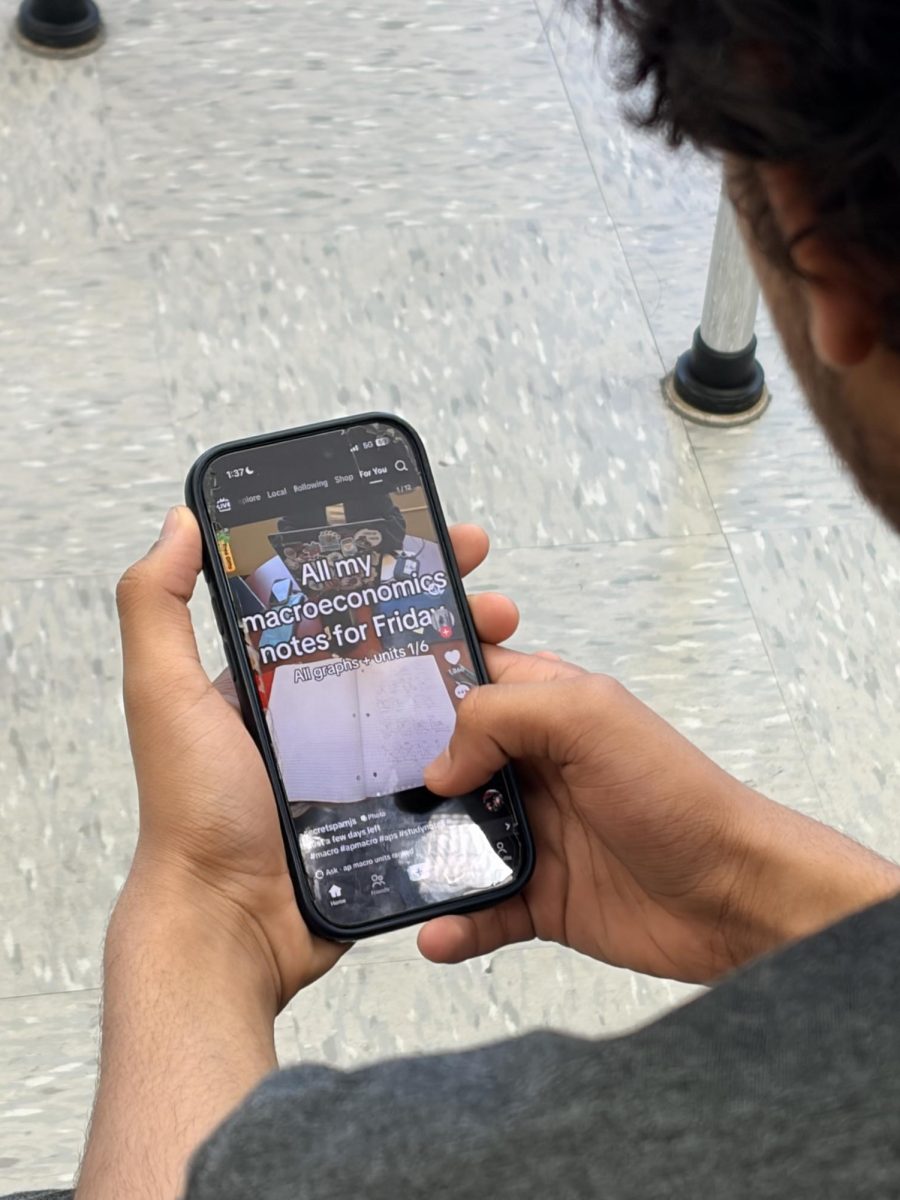




































A fast scroll through TikTok reveals the recurring pattern of “restock” videos. Inside neat drawers, cream jars stack beside chip packets and pens cluster near notebooks. Calm music plays in the background, creating a soothing atmosphere and enhancing the organization. Though these videos appear to be light, even joyful, the truth is they often signal trouble. What is marketed as organization or self-care often encourages students to buy far more than they need just to feel “put together.” Popular trends like color-coordinated school supplies or “weekly reset” videos make excess feel normal instead of unusual.
Out front, the videos look neat, yet that visibility masks deeper issues. What seems like readiness actually conceals immense consumption. We’ve started treating small, unnecessary items as essentials. For example, do people really need three portable Q-tip dispensers when walking out the door? When trends move fast, being out of sight means you are out of style. On platforms like TikTok, relevance is tied to constant participation, where visibility depends on how closely someone follows what is popular rather than what is necessary. Social media rewards consumption, not individuality, pushing students to refresh their image repeatedly just to stay noticed. As trends come and go so quickly, students feel pressured to replace functional items with something more “aesthetic,” simply to keep up.
These restock clips keep the materialism loop going, painting endless products as basic self-care requisites. Instead of focusing on habits or discipline, they spotlight the visual outcome, such as full shelves, new/untouched products, and perfectly arranged items. Views begin to associate a polished, full image with aesthetics and organization, which has very little to do with actual lifestyle and well-being. The result is a constant sense of pressure to recreate the image rather than build routines that genuinely work for them.
At EHS, choices about clothes or friends tend to show up on the phone screen first, just like the rest of the world. News travels fast when one person sets the trends.
What starts as harmless, teenage wants can quickly turn into an unrealistic expectations to keep up. New clothes, supplies, or “must-have” items do not just cost money; it builds stress for both students and families. For some, it means spending allowance too fast, and leaving none for school supplies, paying club dues, toiletries, etc. Recent consumer research shows that social-media-driven impulse buying has risen sharply, with the average person spending hundreds of dollars more each year purely due to online trends (nonprofitquaterly.org). For some, it’s the increasing prices and financial stress, but for others, overconsumption can invoke a feeling of being left out because buying everything simply isn’t possible. Either way, the emotional fear of missing out builds up when appearances online make constant spending look effortless and normalized. Over time, likes and views begin to matter more than practicality or personal priorities.
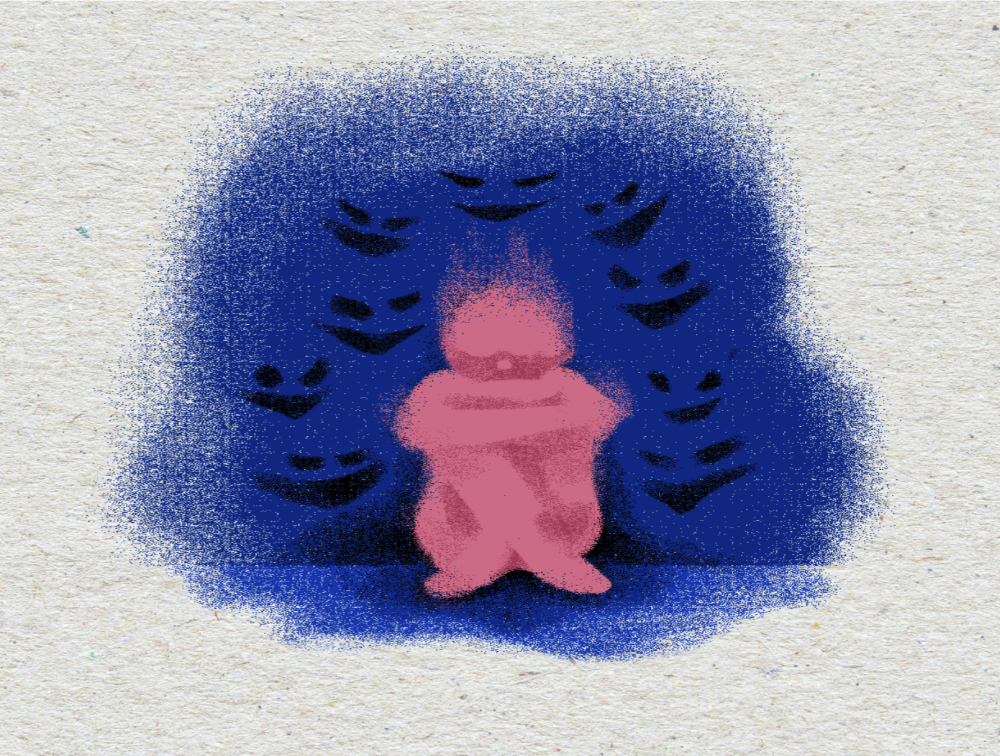
Constant exposure to these videos can quietly damage students’ mental health, creating pressure to measure their worth by what they own rather than who they actually are. For instance, children will compare what they own, what they are carrying, and the number of times they “upgrade,” influencing how they are viewed as happy or insecure based on videos. If they do not keep up that image, kids develop an internal sense of isolation. This comparison culture shapes how students judge themselves and others. At EHS, students often compare brands of clothing, technology, or even how frequently someone “upgrades” their belongings, using those markers to judge confidence or popularity.
While some argue that social media trends are just harmless videos or purely quick motivation, the reality is that repeated exposure often encourages excess. It’s almost a clear and logical conclusion to see that this desire for attention and comfort correlates with the need to do more and, as a result, buy more to appear more like those around you.
With the desire to be recognized for many things beyond high school, it is necessary to recognize the profound effects of such videos on everything from our wallets to our mental health. Overconsumption, in various ways, shapes our personalities and traits over time, a key detail in how it runs in our daily lives.
Too much of one thing, in other words, would be equivalent of too little of something else.