




















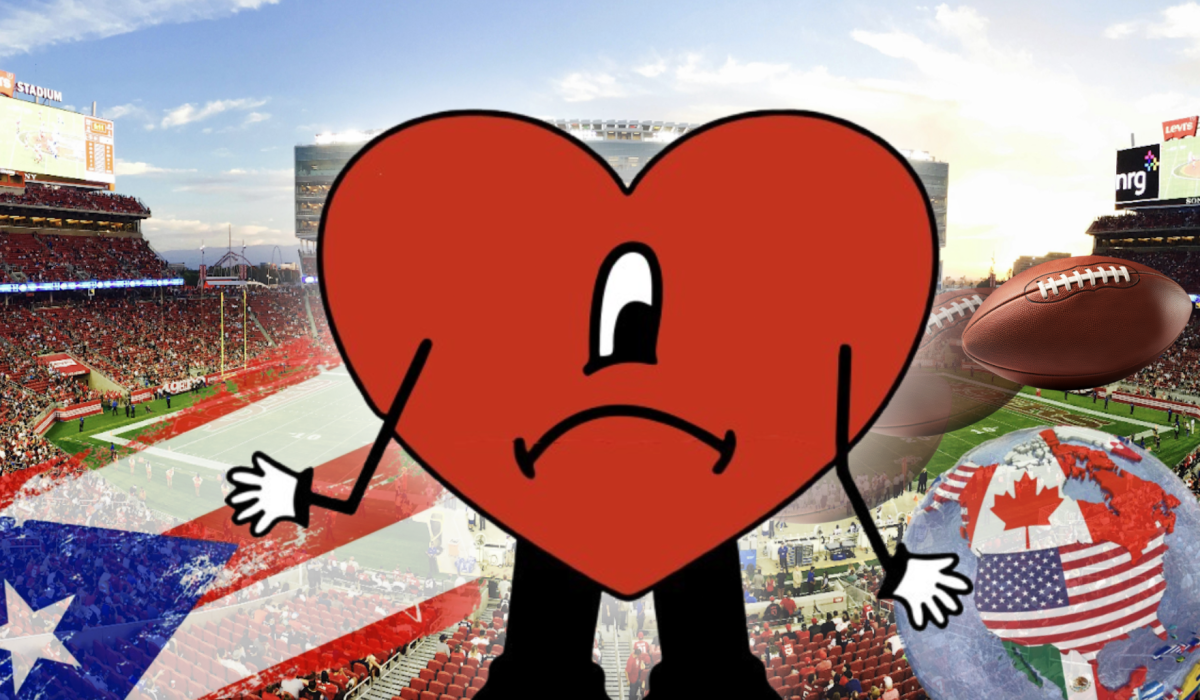
Bad Bunny, a Puerto Rican singer and producer whose given name is Benito Antonio Martínez Ocasio, performed at this year’s Super Bowl halftime show on Sunday, February 8, 2026. Being one of the first halftime performances entirely in the Spanish language, the show sparked mixed reactions across the country.
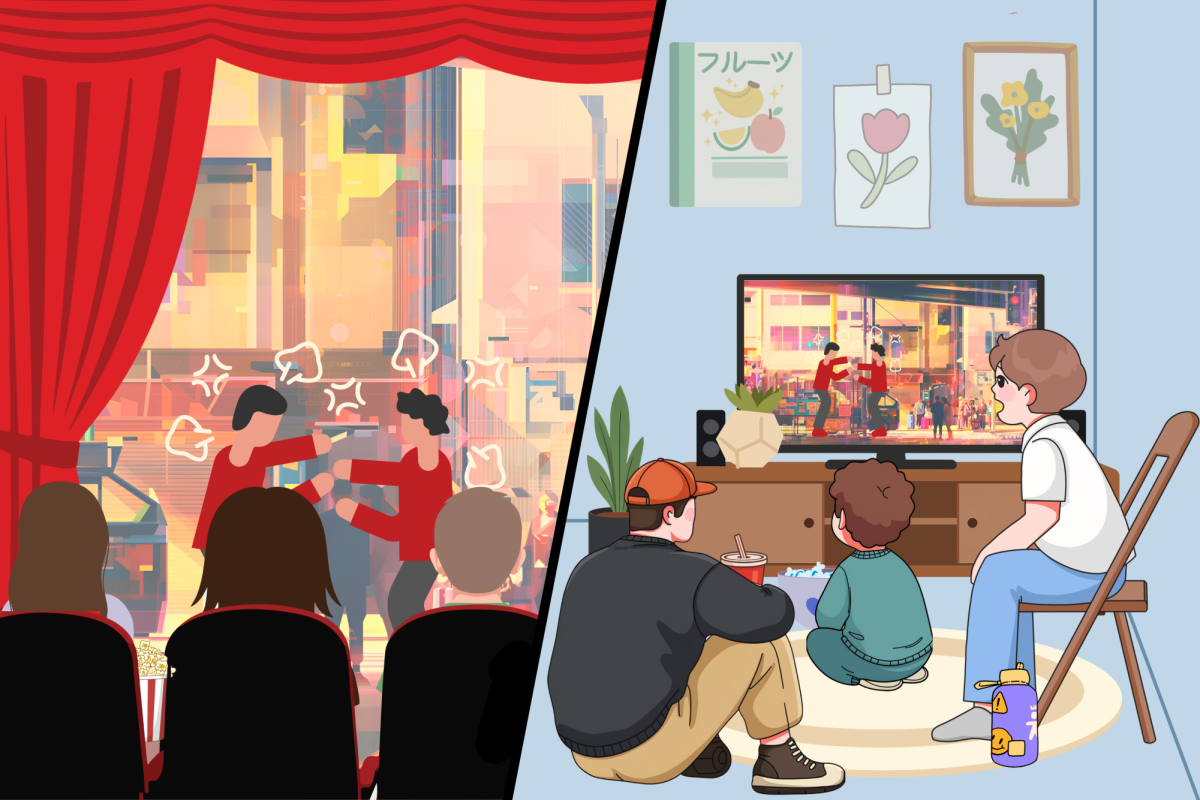
Some viewers called it boring, confusing, or just not “their type” of music, while others praised it as bold, emotional, and unique when compared to the usual flashy, pop-heavy performances Americans expect. But whether people hated or disliked it, one theme is clear: This show was one of the most important performances in recent years, as it prioritized both entertainment and cultural messages in the midst of evolving perspectives on American identity.
“I didn’t really understand the meaning behind the farm at the beginning, and since the whole show was in Spanish, I was confused and wasn’t engaged,” said Om Srinivasan ‘29.
Many Americans judged the performance based on traditional elements: big costumes, fireworks, English lyrics, and an easy-to-follow format. From that perspective, the halftime show may have seemed strange or even ironically underwhelming. The use of an unfamiliar music style and unique, customized props made it hard for some audiences to feel engaged during the performance. Many argued that halftime shows should be universal and connect to all, not requiring any background knowledge to understand, and Bad Bunny’s show was confusing to those who didn’t understand the meaning behind the elaborate environment he created.
On the other hand, Spanish teacher Mrs. Elizabeth Fedowitz said it was an effective means to learn about feel about Latino culture.
“I loved the culture that he brought to the show. I thought it was like a story to tell everyone what it’s like to be Puerto Rican,” said Fedowitz.
For many Puerto Rican viewers and Latino audiences, the show meant something entirely different, something more specific. Bad Bunny’s performance drew deeply from Puerto Rican traditions and daily life, not just mainstream American pop culture. Bad Bunny’s show opened as a poignant and symbolic sugarcane field. His symbolism, using sugarcane to represent Puerto Rico’s history, was a unique way to connect the performance to the daily struggle that farmers in Puerto Rico endure.
“It was a fun and inspiring representation of Latino culture. I feel that he had a lot of positive messages that made the show better, and his energy is contagious,” said French and Spanish teacher Mr. Ernest Valdes.
Another iconic moment in the halftime show was Bad Bunny giving his Grammy over to a little boy. While many speculated that the message here was to highlight U.S. Immigration and Customs Enforcement (ICE) and their controversial decisions, others saw a young version of Ocasio telling himself to be hopeful and determined to accomplish his dreams. Either way, these subtle but powerful hints at ongoing struggles for immigrant families represent Bad Bunny’s wholesomeness.
More than the sugarcane and a Grammy Award, the show contained many other symbolic messages. One such message was when there was a display of people climbing up on an electric pole to show the electricity struggles following natural disasters and faulty power grids. The show also included other details, like taco stands, piragua (a shaved ice dessert), and the iconic pink “La Casita” (traditional Puerto Rican home), all of which go into the overall message of unity and pride.
“I feel that the Bad Bunny halftime show brought many of us nostalgia. It was very emotional being reminded of our culture, our history, and our traditions,” said Mrs. Nicole Mendez, a Spanish teacher. “For many of us, it was more than a performance. It was a statement. Being reminded that together, we are America, and this brought a sense of unity for us.”
Despite its confusing appearance for some, Bad Bunny’s Super Bowl show has many props and represents unique aspects of Puerto Rican culture. Even though he only sang in Spanish, people understood his dedication and eagerness to highlight struggles while underscoring cultural distinction.
Bad Bunny’s nearly 14-minute performance reminds us that the best shows are the ones whose storyline and message are discussed, doted on, and debated long after the lights go out.