

































































When Anthropic’s source code leaked on March 31, most eyes turned to the 500,000 exposed lines of code. But the bigger story had broken five days earlier.
On March 26, a configuration error in Anthropic’s content management system made nearly 3,000 unpublished files publicly accessible. Among them was a draft blog post describing one of the most powerful AI models ever built. The model, known internally as both “Mythos” and “Capybara,” was confirmed by an Anthropic spokesperson to Fortune as “the most capable [model] we’ve built to date,” representing “a step change” in AI performance.
What separates Mythos from other frontier models isn’t just its scale, but how it got its most alarming capabilities. Anthropic said it “did not explicitly train Mythos Preview to have these capabilities,” stating that they “emerged as a downstream consequence of general improvements in code, reasoning, and autonomy.”
The same improvements that make the model substantially more effective at patching vulnerabilities also make it substantially more effective at exploiting them.
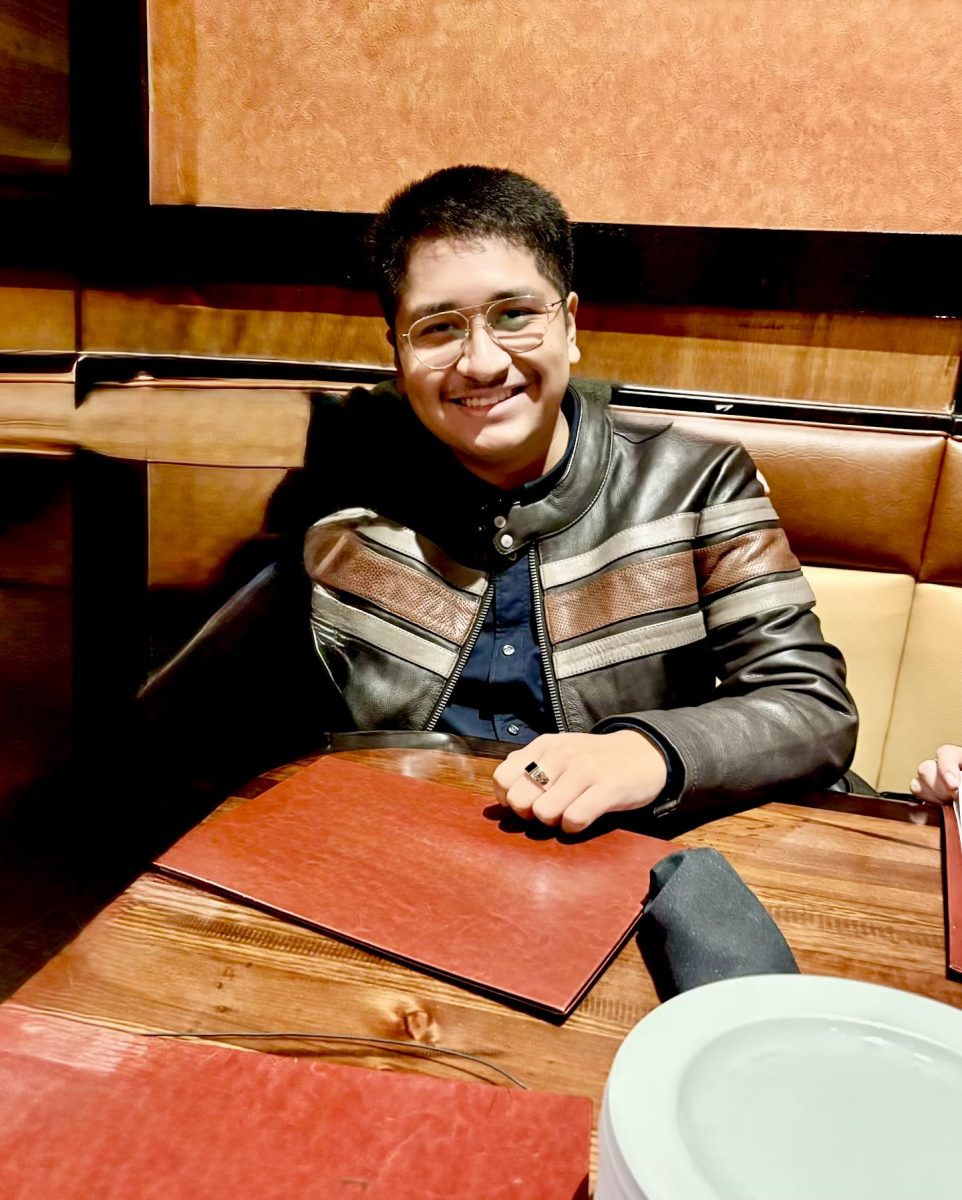
“It is fascinating to see an AI develop skills without being instructed to do so by its creators,” said Anvay Tomar ‘29, a STEM Academy student. “However, it means that it becomes much more difficult to understand and control its actions, particularly in terms of cybersecurity, and may result in being harder to control over time.”
Tomar says future college courses should emphasize system and security analysis, as well as ways in which AI may assist in finding and eliminating vulnerabilities, all while focusing on the development and logic behind AI models to offer a more AI-focused approach to computer science.
Mythos Preview has already found thousands of high-severity vulnerabilities, including some in every major operating system and web browser. Because those same capabilities could be turned against the systems they identify flaws in, Anthropic has declined to release the model publicly. For students, that means the software running on school-issued Chromebooks and personal laptops had vulnerabilities that an AI found— before most people even knew Mythos existed.
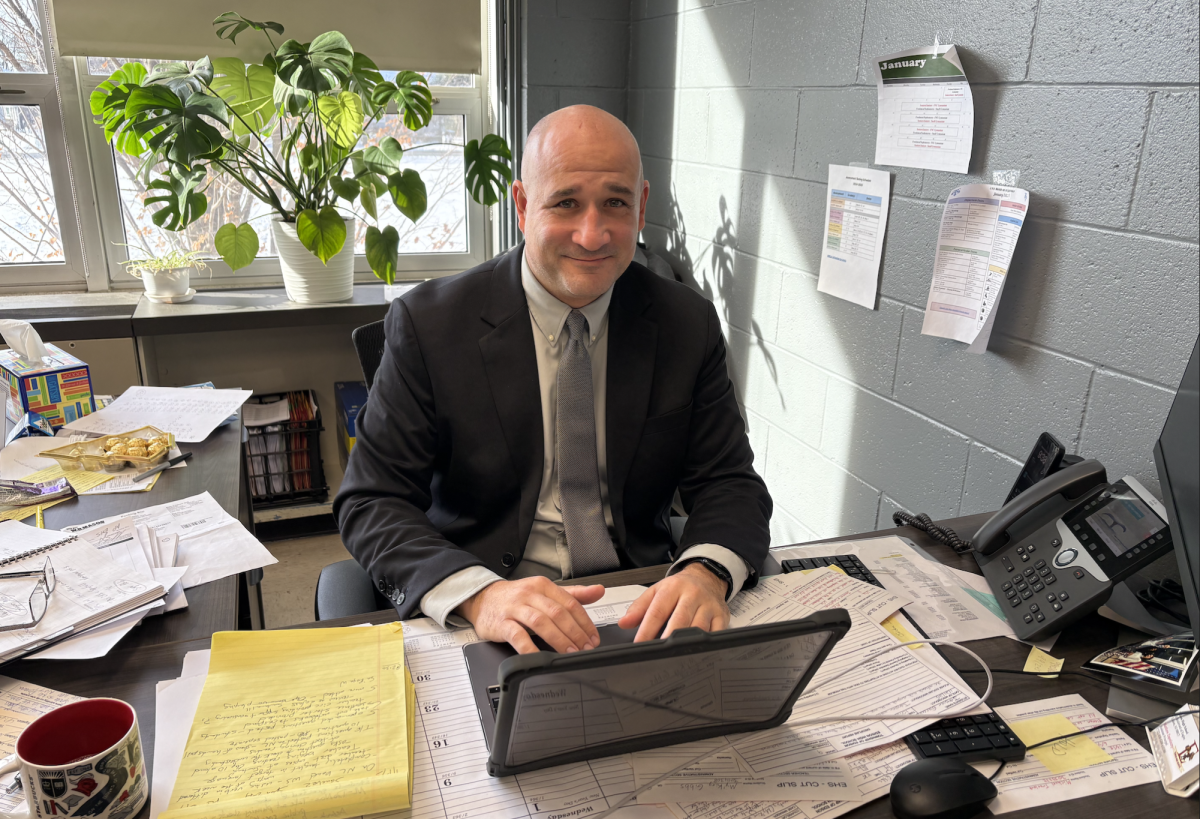
“This development not only offers an upgrade to the defenders, but also provides more tools for the attackers to have in their arsenal,” said Technology Specialist Mr. Dashaun Davis. “From a school’s technology specialist’s perspective, it’s more so how can we adapt our mindset to the security and keep up with these changes. Being that we can only control so much within the network, devices become more vulnerable when they’re constantly outside of the school network.”
To Davis, shifting the focus toward real-time visibility and faster responses is critical, while staying aware of the new risks and threats arising from this AI-driven transformation.
On April 7, Anthropic announced Project Glasswing, a sweeping cybersecurity initiative pairing Claude Mythos Preview with a coalition of twelve major technology and finance companies in an effort to find and patch software vulnerabilities across the world’s most critical infrastructure before adversaries can exploit them. Launch partners include Amazon Web Services, Apple, Broadcom, Cisco, CrowdStrike, Google, JPMorganChase, the Linux Foundation, Microsoft, NVIDIA, and Palo Alto Networks. Anthropic has committed up to $100 million in usage credits to the project, along with $4 million in donations to open-source security organizations.
Open-source software maintainers, whose code underpins much of the world’s critical infrastructure, have historically been left to figure out security on their own. Project Glasswing aims to change that, channeling Mythos’s capabilities toward defense before they can be replicated by less careful hands.
Mythos Preview has already found thousands of high-severity vulnerabilities, including some in every major operating system and web browser— software running on the devices students and professionals rely on every day.
The stakes, by Anthropic’s own account, reach beyond any one company. The company’s leaked blog post stated plainly that Mythos “presages an upcoming wave of models that can exploit vulnerabilities in ways that outpace the efforts of defenders.” That concern has reached Washington: White House officials are reportedly set to meet with Anthropic CEO Dario Amodei specifically to discuss the model.
“Although AI has made many strides in development across numerous fields, these systems are still prone to making mistakes,” said Computer Science Academy student Rudra Parmar ‘29. “Yes, they are more effective than humans and can process more data at once, but at least some human insight is still required to guide these models.”
For students looking ahead to careers in technology, AI, or cybersecurity, the emergence of Mythos marks a turning point. The initiative brings together major technology providers to test how Anthropic’s model performs across widely deployed platforms, exploring how increasingly capable AI systems can be safely applied to defensive security roles. Whether those careers involve building the next generation of these models or securing the infrastructure they run on, the job description is already changing, and Project Glasswing is an early outline of what that work might look like.