














































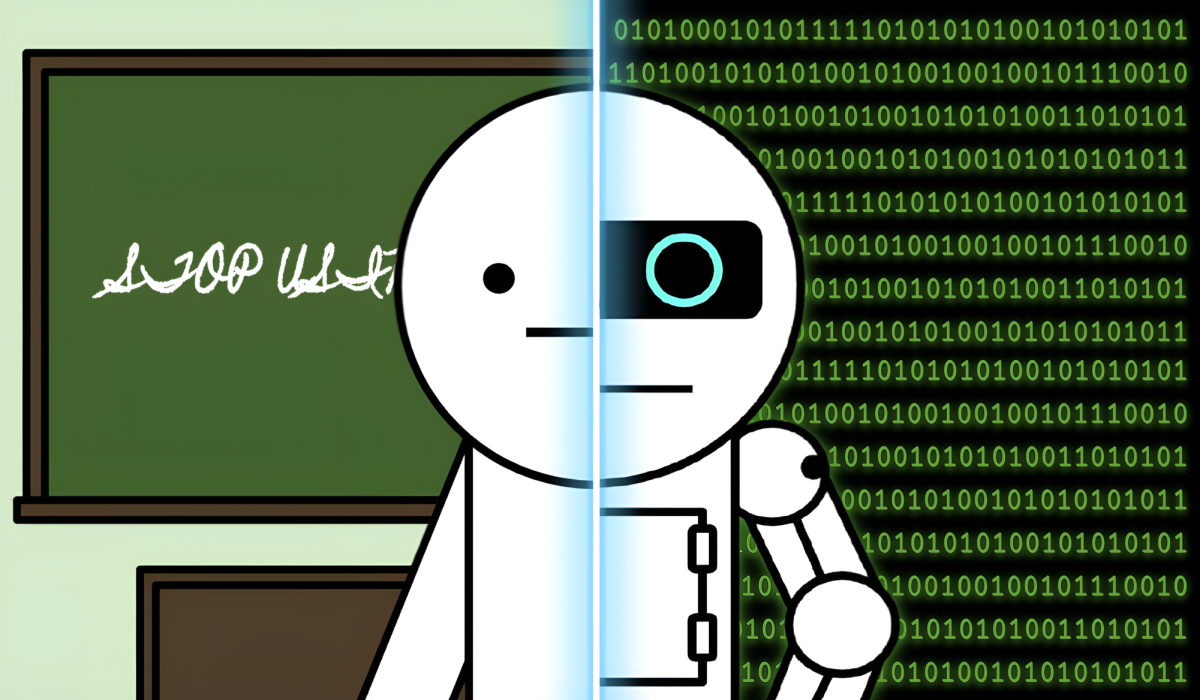
Artificial intelligence (AI) has become a part of our daily lives, appearing in our offices and classrooms, and virtual assistants are built into every piece of technology we use. What was once a dream of the future has become something we interact with every day.
As AI continues to develop, we are prompted to ask ourselves: Where do we draw the line between using AI ethically to learn and have fun, and using the resource immorally to cheat and lie?
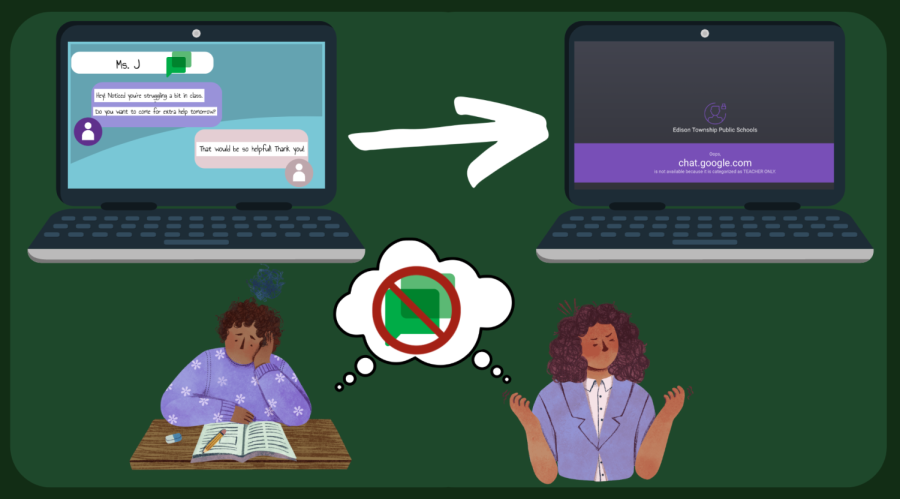
These new AI applications are causing significant headaches for schools and offices alike. But what’s actually different with Atlas and Sora, some of the new AI platforms leading to this controversy, and why are they causing so many headaches?
ChatGPT Atlas hit the internet two weeks ago, setting out a whole new wave of trouble for schools, workplaces, and government offices. Similarly, Sora AI 2 was released to the public at the end of September, making the lives of lawyers, parents, and cops way more difficult.
According to OpenAI’s announcement, ChatGPT Atlas is the first fully functioning mainstream browser built around AI. It is revolutionary in comparison to other companies, such as Microsoft and Google, which have only slowly integrated AI into their browsers, such as the newly updated CoPilot and Gemini models in Microsoft Edge and Google Chrome. The browser has minimal errors, an integrated ChatGPT sidebar, and extensive browser memory. These features allow users to focus on understanding key concepts and completing their tasks without going through the hassle of explaining the background situation, since this AI can access all current tabs and previous search history to answer questions in a personalized way.
One early tester of Atlas ChatGPT, Yogya Kalra, described ChatGPT Atlas on OpenAI’s blog as “Now ChatGPT instantly understands what I’m looking at, helping me improve my knowledge checks as I go.”
Meanwhile, Sora’s ability to create professional videos with just a simple prompt can replace teams of animators and designers. Jobs that were once thought to be always in demand due to vast technical skills, such as video compositors and 3D modelers, and even video editors, are now exposed to massive layoffs. This change toward perfection removed a critical guard, the original AI’s inauthenticity.
Sora’s original model, compared to the latest model Sora 2, was distinct with its watermarks, glitches, and numerous visual errors acted as a safeguard, protecting the AI against legal and ethical problems. These defects provided full transparency that the content was fake and prevented severe fraud. These defects allowed the technology to be used in good humor and conscience. However, according to computer scientist Hany Farid from UC Berkeley, the release of Sora 2 removed these features, producing more realistic content and making it much harder for users to tell the difference between which content is real and which is fake. The loss of these defects enables the use of this technology for misinformation and fabricated evidence, conveying the urgent need for legal policy and boundaries.
A clear example of this trend can be seen in the viral meme of Will Smith eating noodles, a video that was circulated throughout the internet last year. While the clip was obviously artificial, with the exaggerated facial expressions, it was easy for users to tell it was fake. But with the evolution of AIs such as Sora, the gap between what is real and fake has practically disappeared. Within a short period of time, AI can now create videos of humans performing complex actions and still appear realistic. These “AI humans” are not just being used for entertainment purposes; they appear in advertisements and promotions without a live human ever stepping onto a set or in front of a camera.
However, AI isn’t just an advancement in the tech world; it is now becoming ever so close to becoming capable of doing human work. What was once a tool destined to help us has started to slowly replace us.
The concerns raised by these new developments in AI influence reach into the global economy. Artificial intelligence is already shaping the market in a way we never expected. The World Economic Forum’s Future of Jobs Report 2025 confirms this new trend: 170 million new jobs are expected to be created this decade, and 92 million existing jobs are expected to be disrupted.
Jobs powered by artificial intelligence, such as fintech engineering, machine learning experts, and software and application developers, are the most in-demand and fastest-growing professions. However, the roles of analysis, recognition, or any recurrent process are the kind of jobs easily replaceable by programs such as Atlas and DeepSeek, which can read tabs, analyze information, and even complete full reports and tasks with barely any input or discrepancies. Tasks that once took paid employees hours to complete can be finished in a matter of minutes, if not seconds, with AI.
This change is also commanding a tremendous shift in the legal world. As of November 2025, a few legal cases have occurred based on wrongful AI-generated video evidence being used to accuse another person of a crime. Moreover, the unregulated spread of AI deepfakes is extremely harmful as they can be used to create fabricated videos of people without their consent, often only requiring a single image of a person’s face and a recording of their voice. Since there are no current laws in place regulating AI in court, it is hard for law enforcement and lawyers to prosecute these “criminals” for a crime. By the time laws are created, however, several loopholes will probably already be found.
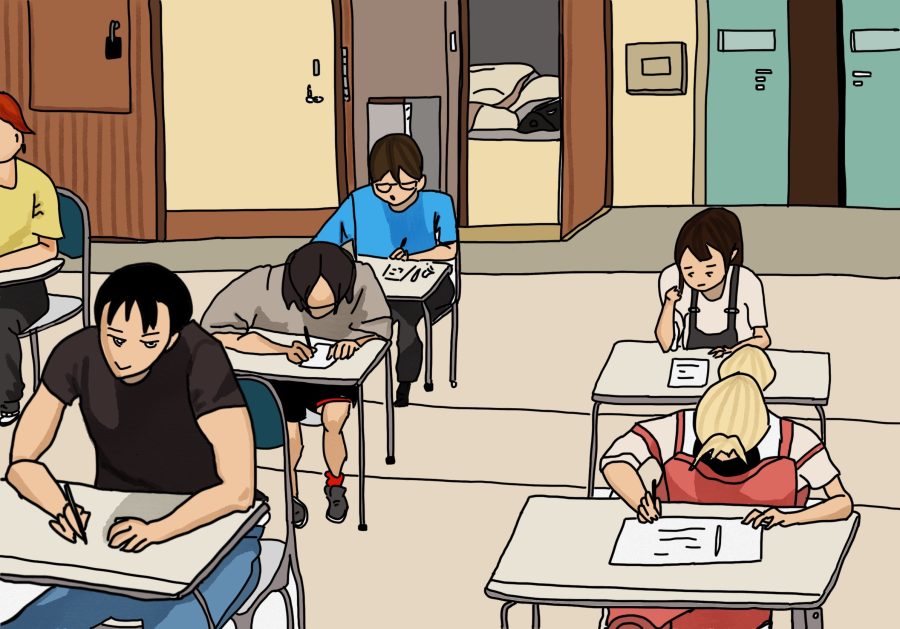
On top of this, by banning AI itself, schools are failing to provide students with preparation for this AI-driven future. Students miss out on the skills needed to recognize AI-generated content from human content, which is critical for future employment. Instead of banning powerful resources such as Atlas or Sora, teachers can leverage them to develop learning.
For example, as mentioned before, in the case of Atlas or Sora, there are many ways the user’s prompt and intention can shape the effects of AI. A student looking for a grammar proofreader on their essay that is due in fifteen minutes is using Atlas responsibly to quicken their editing process and learn from corrections, while using this same tool to generate the content in its entirety would be considered cheating. Similarly, Sora can be used to adjust the sound quality of a student’s interpersonal video before submission, but it becomes a form of cheating if used to generate a fake AI video for the assessment entirely.
So, it seems obvious that while AI has its many uses and has established itself as a pivot in daily life, there are many aspects of life where it does more harm than good. But the answer to our question about our boundaries with AI isn’t as simple as black and white, or good and bad, as context is the key.
For now, as AI grows and builds a place in our world, we must all learn to use AI appropriately and in moderation. In schools, the boundaries of what AI may be used for need to be clearly defined, but changeable upon circumstance. In courts of law, strict laws prohibiting AI need to be upheld. In workplaces, the use of AI must be instituted differently from profession to profession.
So the line isn’t a straight one. It’s been moved and stretched and shrunk and muddied with circumstance and belief.
The best course of action? Set clear divides with AI personally and professionally based on your needs, but leave room for improvement. The rules could stand to improve, just as AI does.