














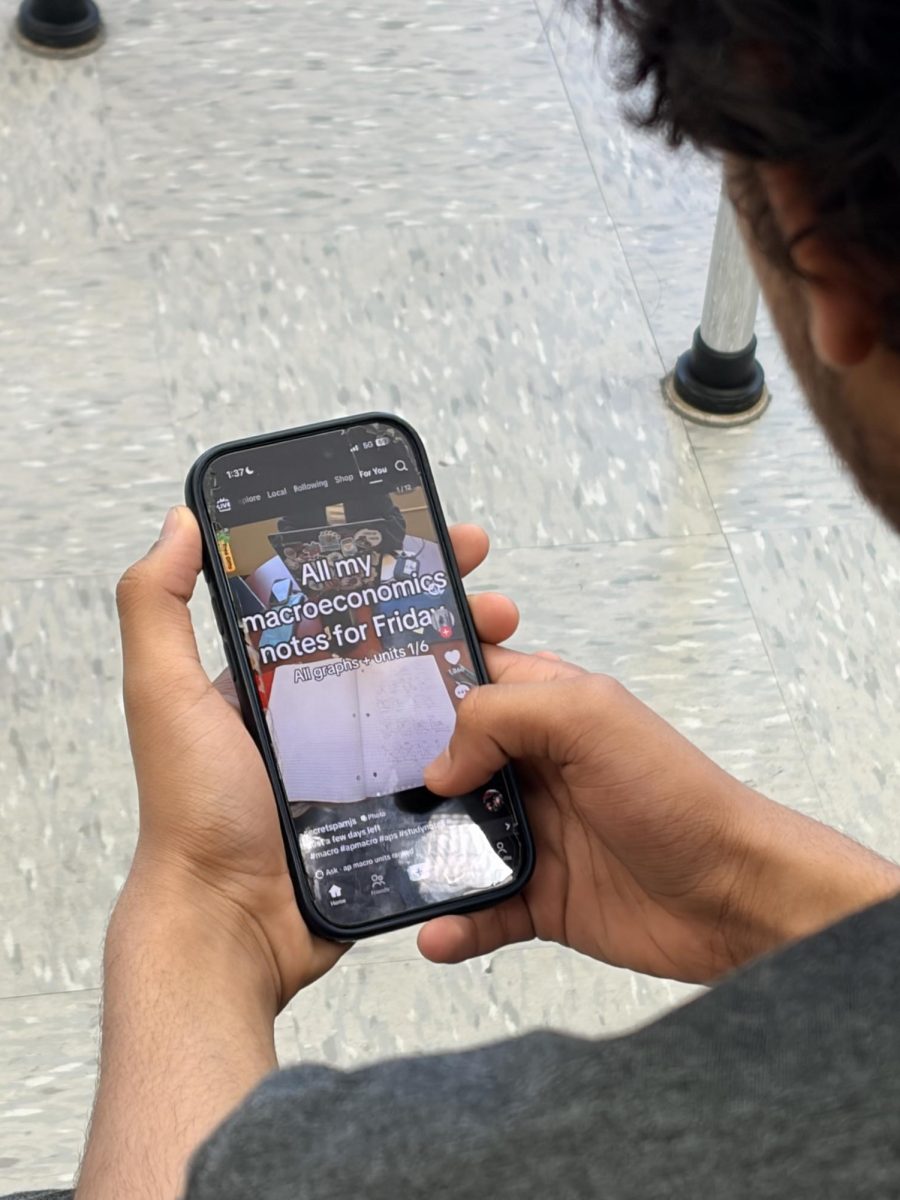
















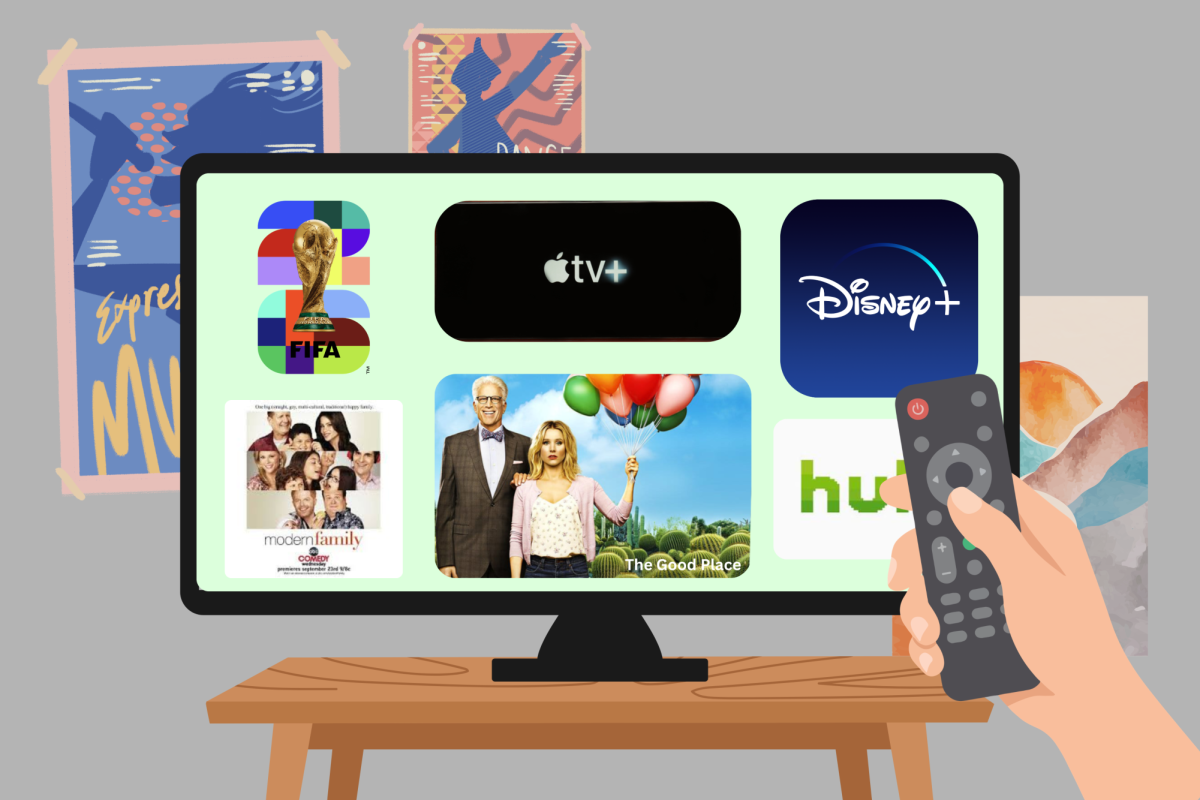


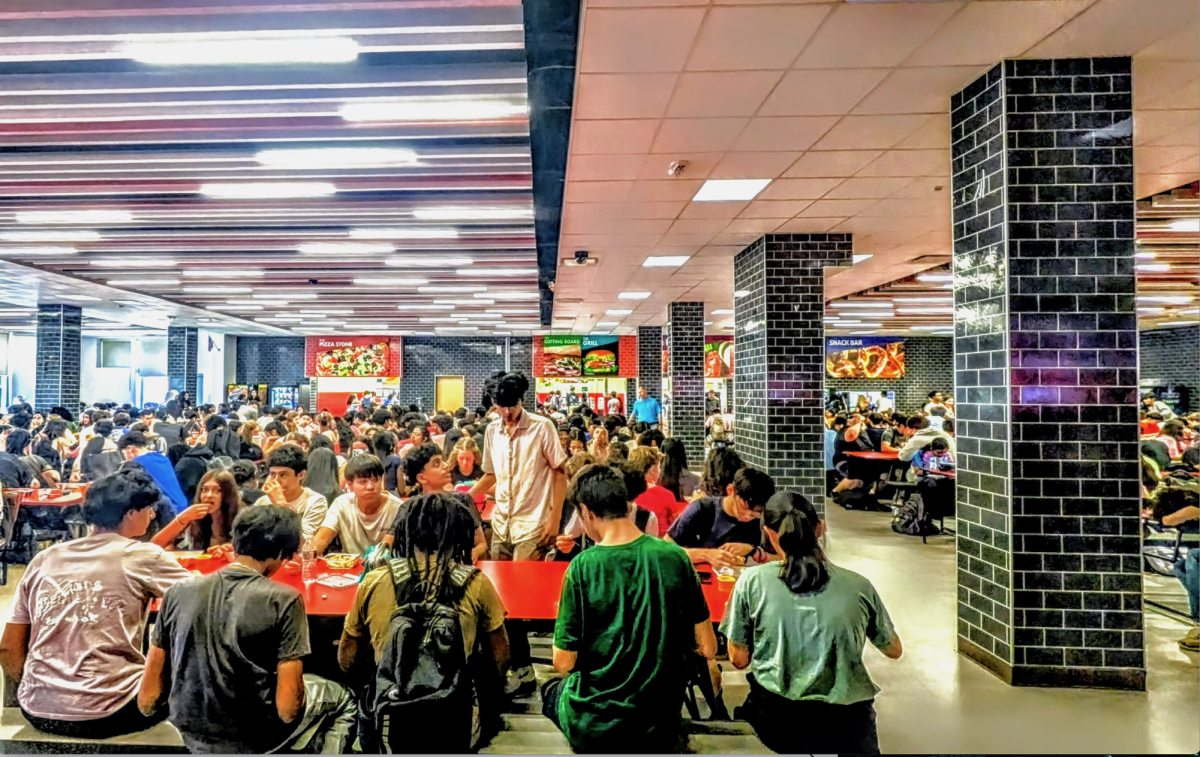


























Walking through the hallways of Edison High School, it is nearly impossible to find a student without a device in hand or a MacBook open on their desk. Students are spending more time on screens than ever before, whether it be for homework assignments or entertainment on media platforms, and many are starting to notice problems as a result, especially regarding their eyesight.
Long stretches of up-close tasks—especially those on the small MacBook screens—can strain the eyes and encourage myopia, an eyesight problem known as nearsightedness, to progress. When the eye focuses up close for extended periods, the focusing muscles contract, and this causes the eyeball to lengthen over time. The sheer amount of screen time creates a significant strain on students’ overall mental and physical well-being.
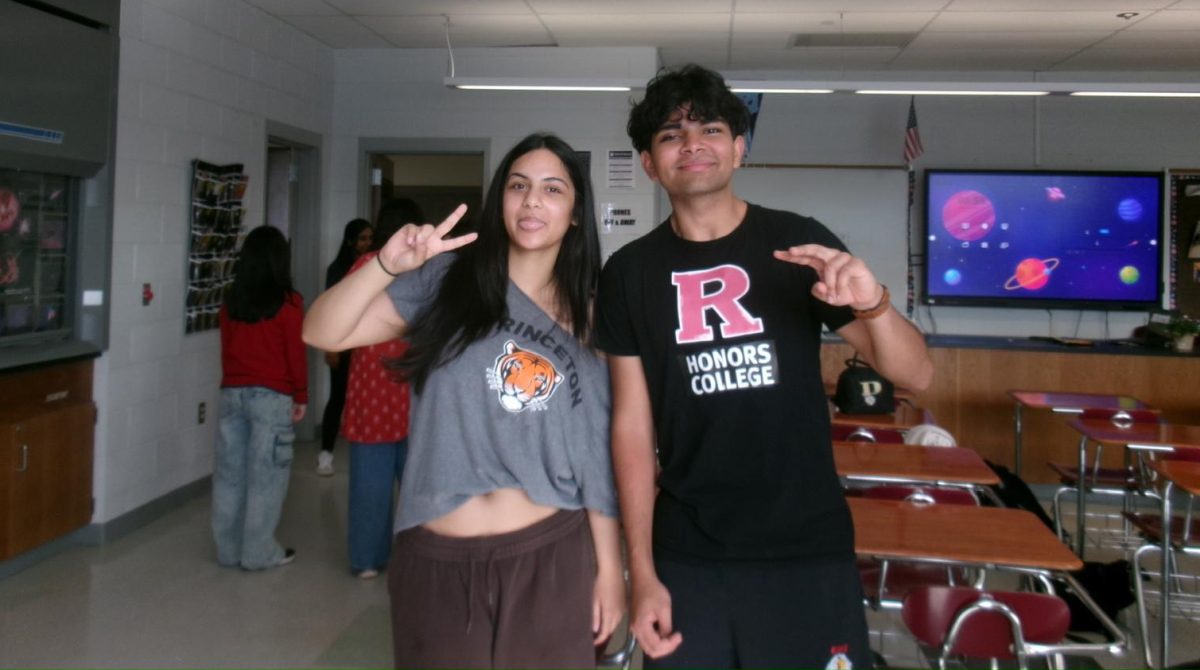
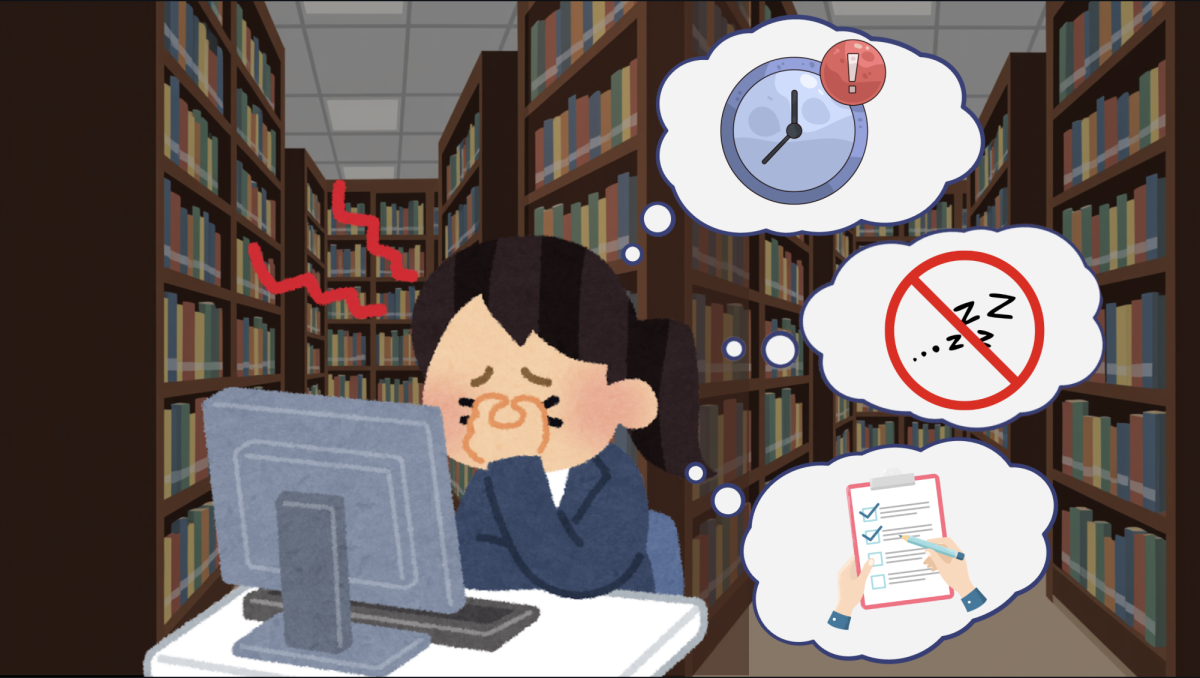
“In modern-day society, adolescents are practically glued to their reflective screens, averaging about seven hours per day, driven by a multitude of demands. Extensive usage of cellular devices is linked to issues like anxiety, depression, and sleep deprivation, hindering one’s performance in day-to-day life,” said Laiba Nadeem ‘27.
Some small adjustments can make a meaningful difference in the effects of increased screen time usage on students. For instance, increased outdoor time slows the progress of myopia due to exposure to natural sunlight. In general, taking frequent breaks, increasing text size on devices, and spending more time with friends and family outside the house are some of the most effective strategies to address the lasting effects of nearsightedness.
However, busy schedules, homework loads, and extracurricular commitments often leave students with very little time away from screens and not much time in necessary natural light. As technology continues to shape both learning and daily life, raising awareness about screen-related eye problems is becoming increasingly important.
In a world heavily reliant on technology, it is nearly impossible to avoid using devices altogether. That being said, gadgets aren’t completely bad either. MacBooks and computers in general have significantly improved the way students complete work by increasing typing speed and permitting downloads, reducing the time required to complete and submit assignments. As such, despite its potential negative impacts, social media and technology have generally made learning easier.
“I try my best to limit my screen time so I can actually focus on other things, such as my schoolwork, swimming practice, and just hanging out with my friends,” said Pratyksh Shukla ‘28. “Social media is awesome and a great tool, but when you use anything too much, it kind of turns into a problem. It definitely should be limited.”
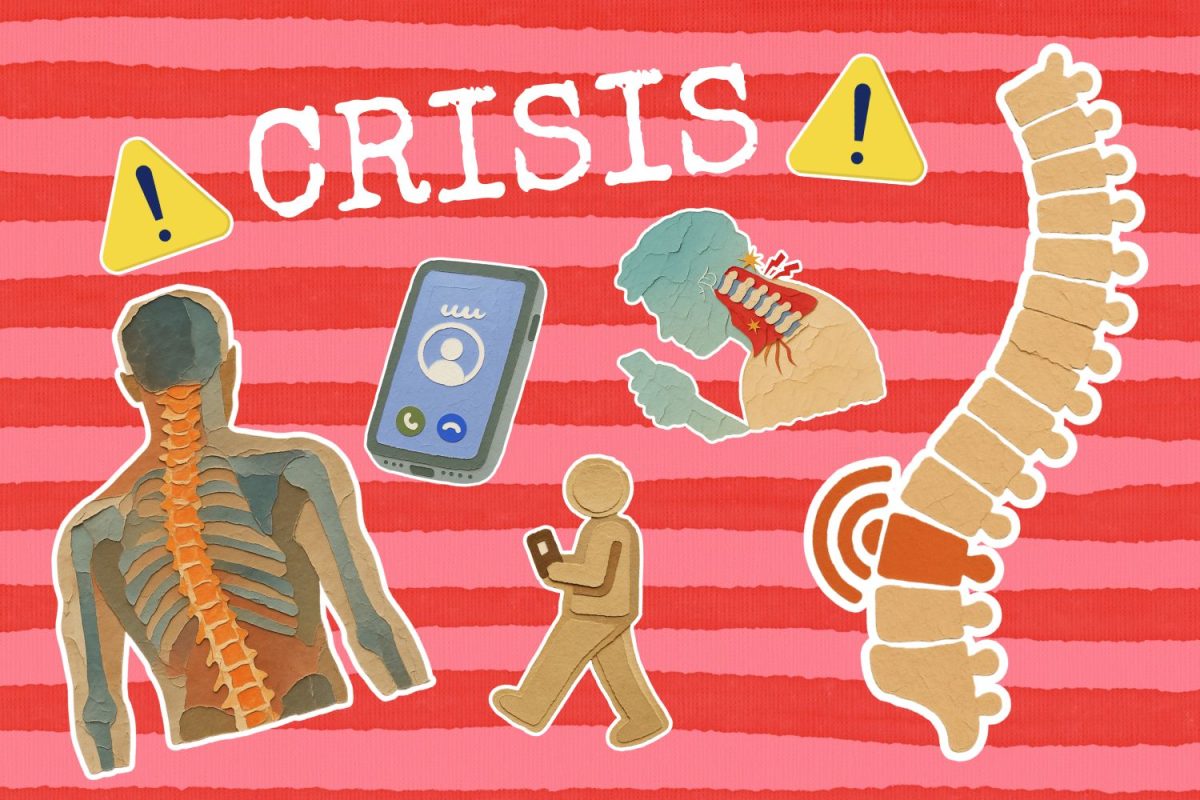
It is important to remember that the impact of screen time extends beyond just vision. The sedentary and static nature of device use contributes to a number of physical health problems, such as poor posture. In addition to poor posture, constant scrolling is increasingly linked to mental health challenges like anxiety and sleep disruption.
“Using social media in moderation is fine, and obviously, for school purposes it’s completely ok,” said Vishnu Venkat ‘29. “But ultimately, you really shouldn’t be spending all your time in front of a small screen.”
EHS students may not be able to eliminate screen time, but understanding how to balance it with healthier habits can protect their vision in the long term. With smart adjustments, students can continue using these digital tools without sacrificing their eye health. Making conscious decisions about screen use is the key to well-being in the modern digital age.