

















































Every morning, at 6:25 a.m., the sun slowly rises as North Edison students, half-asleep, wait for their bus to arrive. The neighborhood is quiet, as most of their friends, the ones going to J.P. Stevens, are just waking up. The bright, yellow bus finally arrives and comes to a groaning stop, the doors folding open as students climb on for a 45-minute ride. It’s a daily journey that begins long before the first bell of Edison High School sounds.
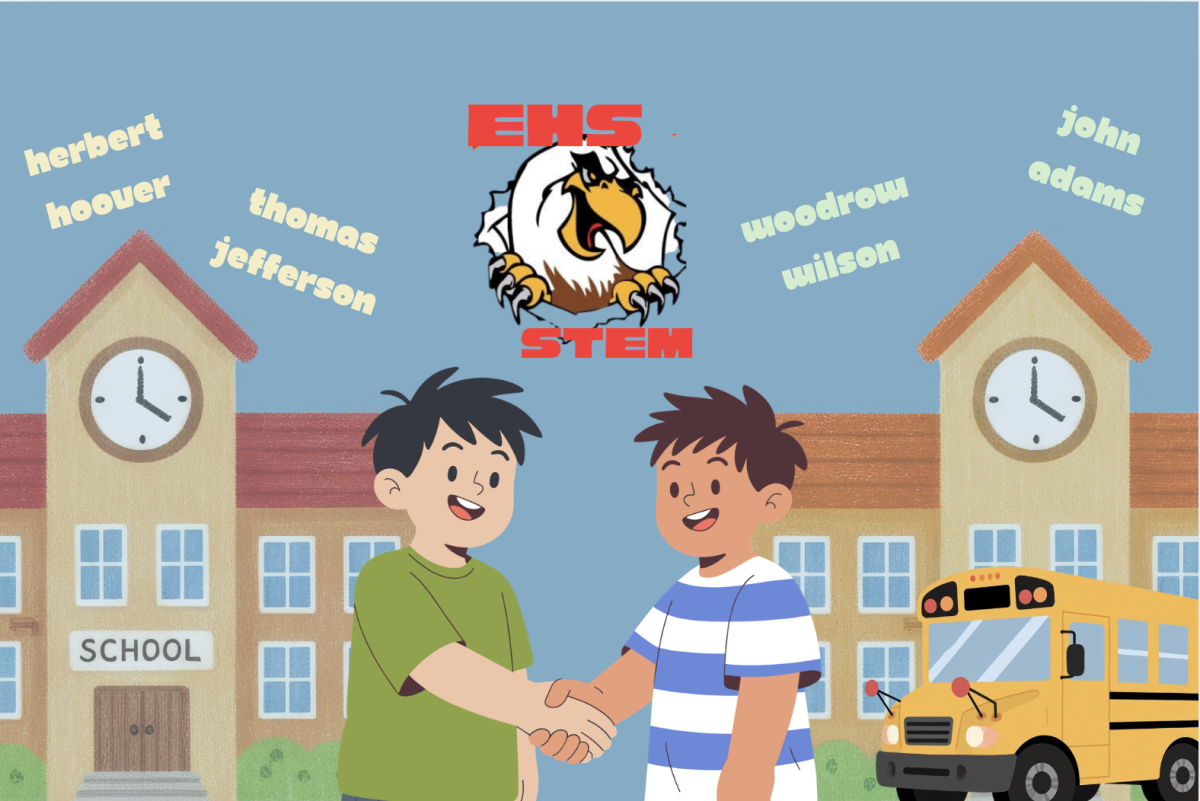
Edison High’s location in the southern part of Edison allows many students who attended Thomas Jefferson or Herbert Hoover Middle School, to enjoy walking to school or simply catch a short bus ride alongside their childhood friends. In sharp contrast, students from the North who chose to attend the STEM Academy accept a different daily circumstance as part of their commitment. While they willingly take on the longer commute for the academic opportunity the academy provides, their mornings still start earlier, their travel time to school is much longer, and they leave behind friends who head to a different building every day.
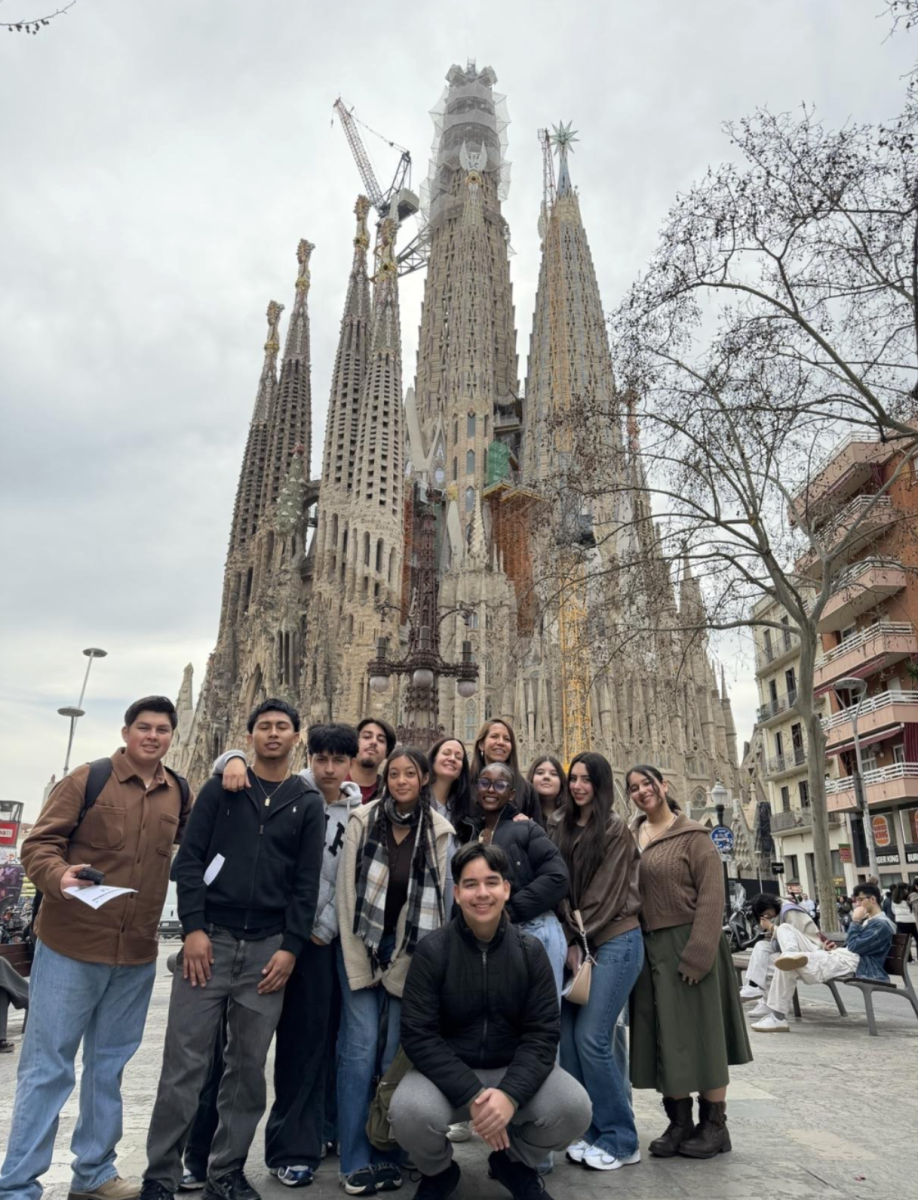
After the early bus ride ends, North and South Side STEM students walk through the same school doors, attend most of the same classes, and face the same academic challenges of the STEM Academy. On paper, the program unites students all across Edison Township under the same goal: advanced learning in Science, Technology, Engineering, and Math. However, in practice, the experience of a STEM student can vary depending on which side of town they live on.
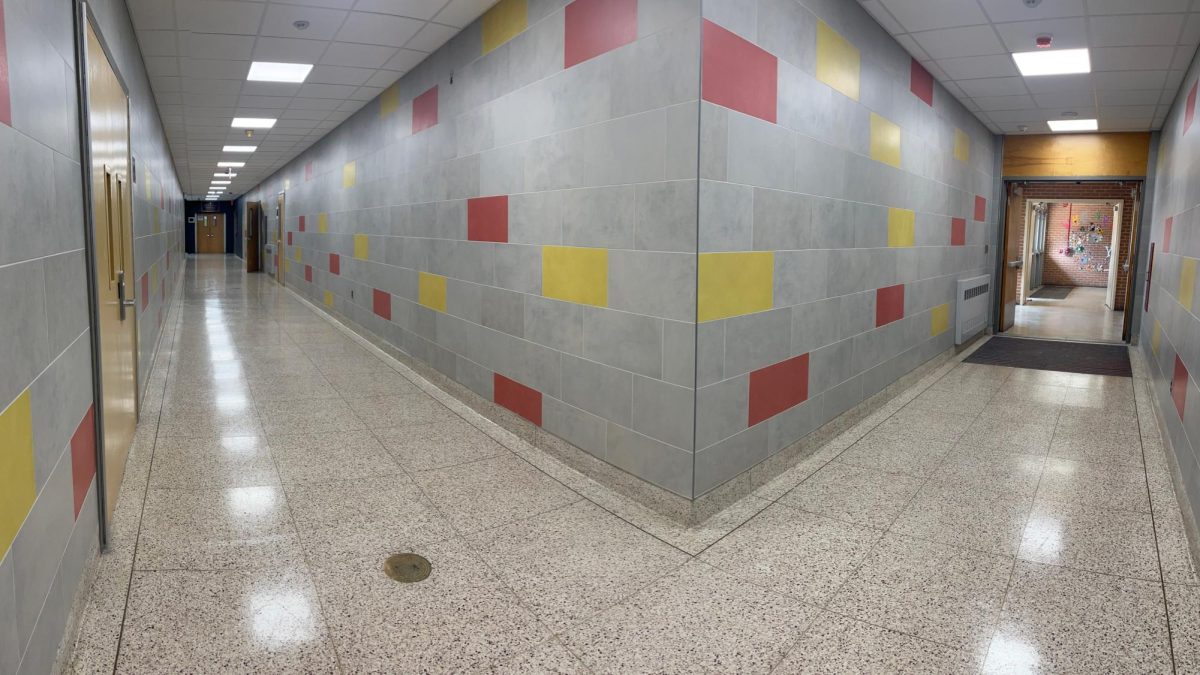
For South Side students, Edison High School is comparatively familiar territory. Many enter freshman year surrounded by classmates they have known since elementary and middle school, already comfortable with friend groups and in-school routines. Being close to home also has its own perks, making it easier to attend after-school activities, stay late for extra help, or meet friends without worrying about transportation.
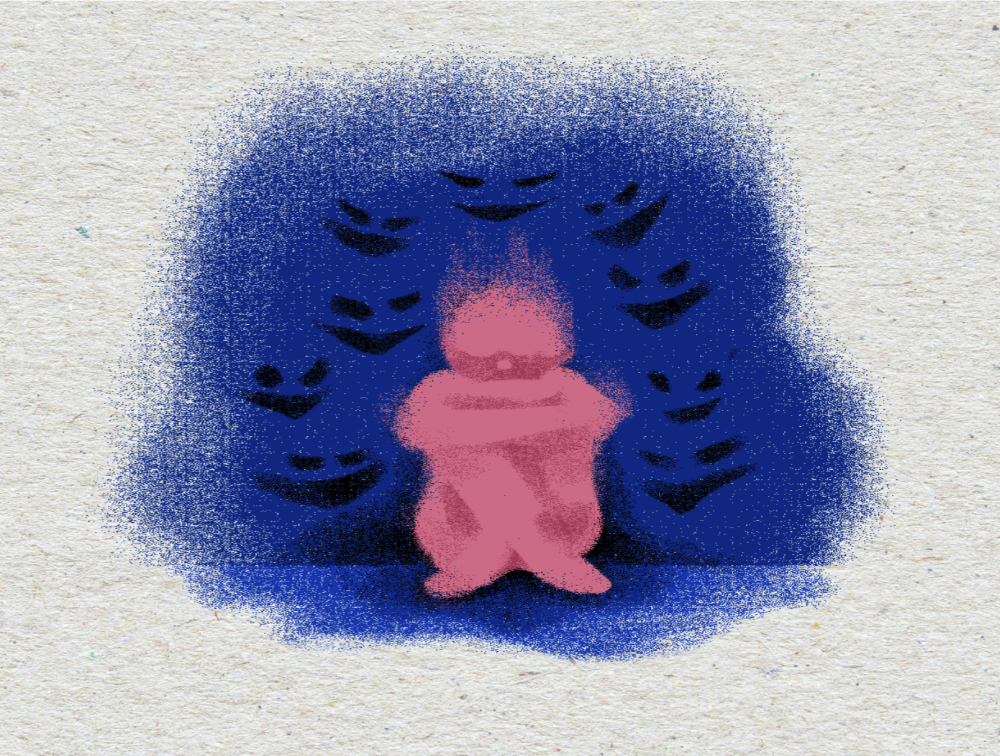
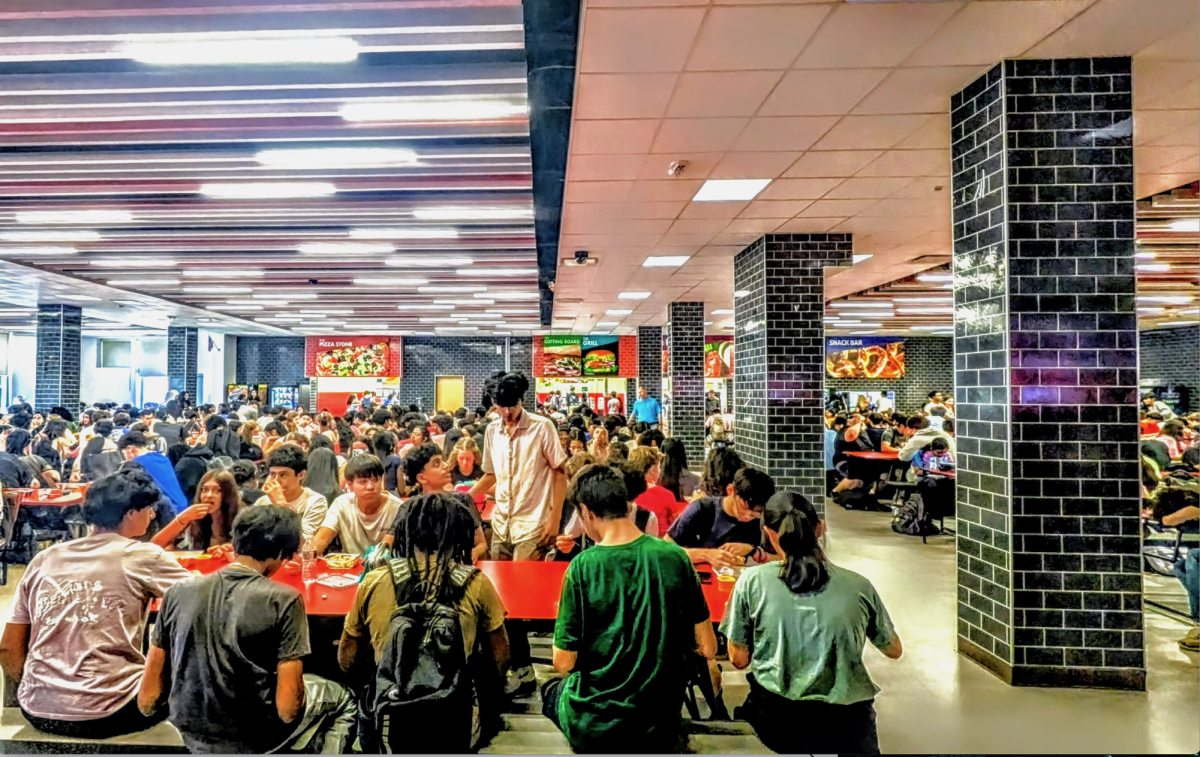
For North Side students in the STEM Academy, however, the transition can feel isolating at first. Stepping into a whole new school where many friendships are already established, some students describe feeling like outsiders during their first months. Lunch periods, school events, and even group work can feel awkward initially, as they work to find their ground in an unfamiliar environment. While many eventually adjust, these early challenges highlight the need for stronger support systems, such as mentorship programs or structured peer-to-peer connections, to help incoming students feel welcomed from the start.
The long commute home for North Side students can also limit their ability to participate in clubs, sports, or any spontaneous after-school activities, emphasizing their different high school experience.
On the other hand, South Side students can also see health advantages along with the shorter commute. Typically, all STEM students in a grade have the same level of challenging coursework, which means roughly the same amount of homework daily for everybody. However, North Side students may have a 45-minute journey after school, while it is under fifteen to twenty minutes for South Side students. When considering after-school clubs, the STEM late bus ends up taking even longer to get North Side students home. In addition, since most sports don’t begin directly after school, North Side students have to stay at school for hours until their sport begins because the commute home is too long. These accumulations of time lead to less sleep from late night study sessions and less time to engage with friends and family, meaning an impact on mental health for North end teenagers at EHS.
Yet inside the STEM academy itself, those differences begin to blur. Rigorous coursework, long lab sessions, and collaborative projects require students to rely on one another for help, regardless of where they come from. Over time, as the school year progresses, shared challenges and goals foster connections between students that may have never formed otherwise.
Despite these various challenges, the demanding nature of the STEM program forces students to adapt quickly. While north side students often believe that STEM is their entry point into the large, diverse school of Edison High, south side students meet peers they may have never met, expanding their perspectives beyond their nearest neighborhoods and close friends.
These contrasts have created a clear divide, which is not due to conflict or disagreement, but one that is rooted in circumstances. Students from both sides acknowledge that while everyone shares the same classrooms and workload, their experiences differ because they are often shaped by distance, overall familiarity, and time.