










































Picture this: A student walks into school at 7:30 in the morning, already tired, but still ready to learn. In forty minutes, when the student eases into class and finally feels genuinely interested in the discussion, the bell rings, and they are pushed to their second period while still thinking about last period’s assignment. This is the reality for many students at Edison High.
And so, it makes me wonder: Would longer class periods be more beneficial to EHS students?
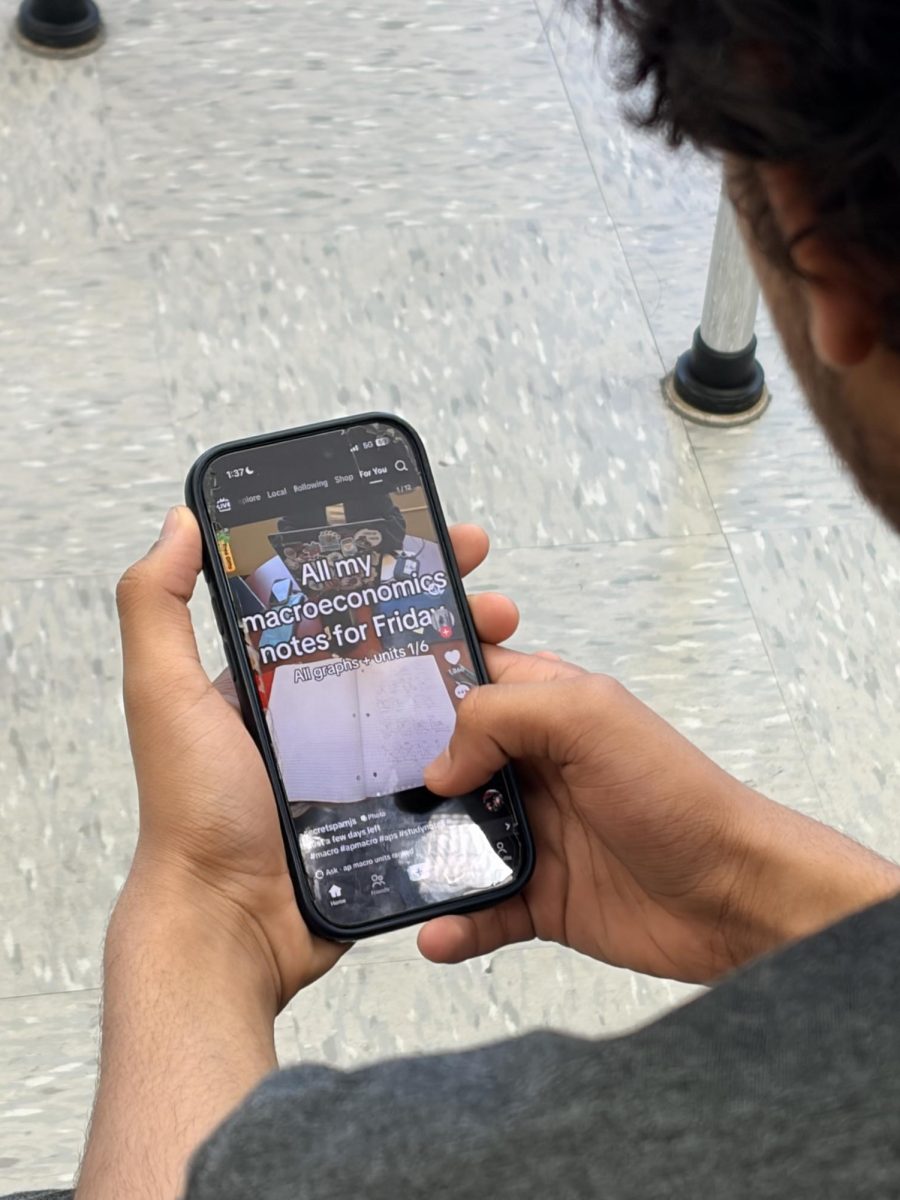
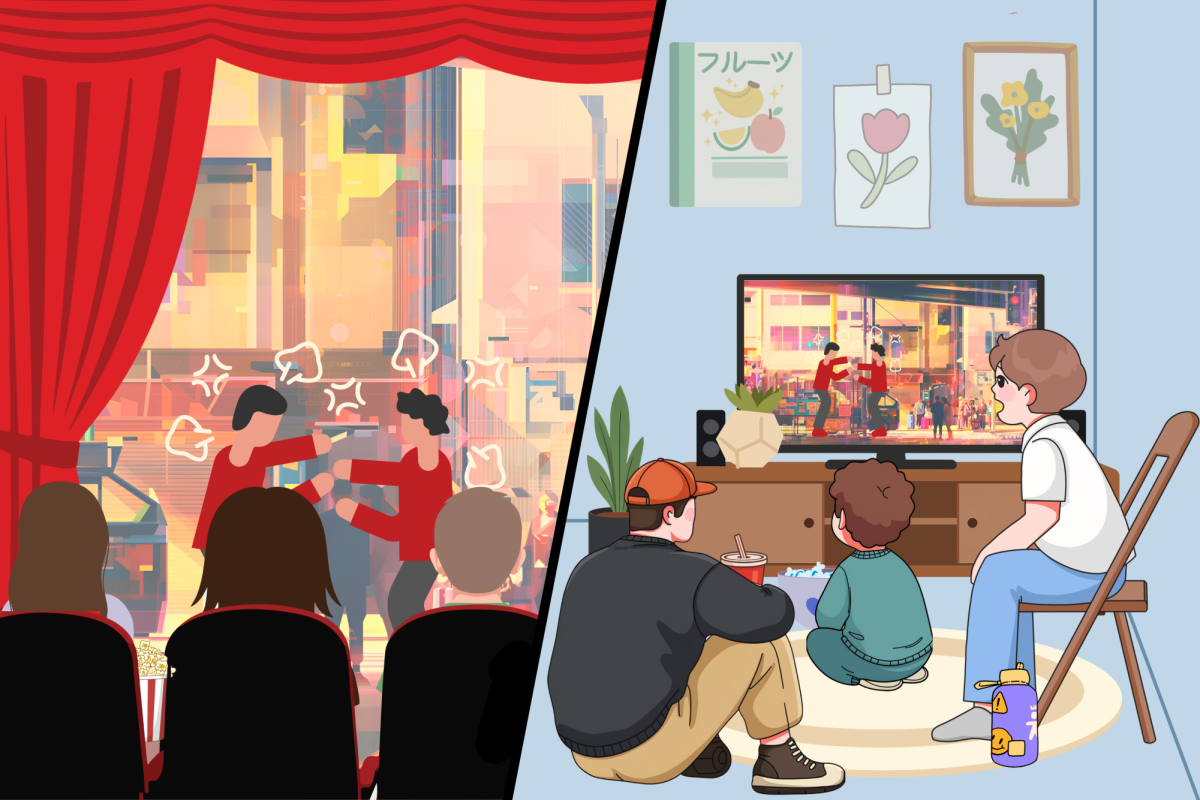
Creativity and Innovation expert Nick Skillicorn at Ideatovalue.com explains that it takes anywhere from twenty to thirty full minutes to recover from a distraction of any severity. This is to say, you may be having trouble opening an app on your MacBook that you need for your homework, and this distraction could cost you up to half an hour, despite the fleeting nature of the encounter itself. Typically, though, a distraction of minimal severity shouldn’t take over a couple of minutes to gain focus again. Larger distractions, however, can take much longer to recoup attention from.
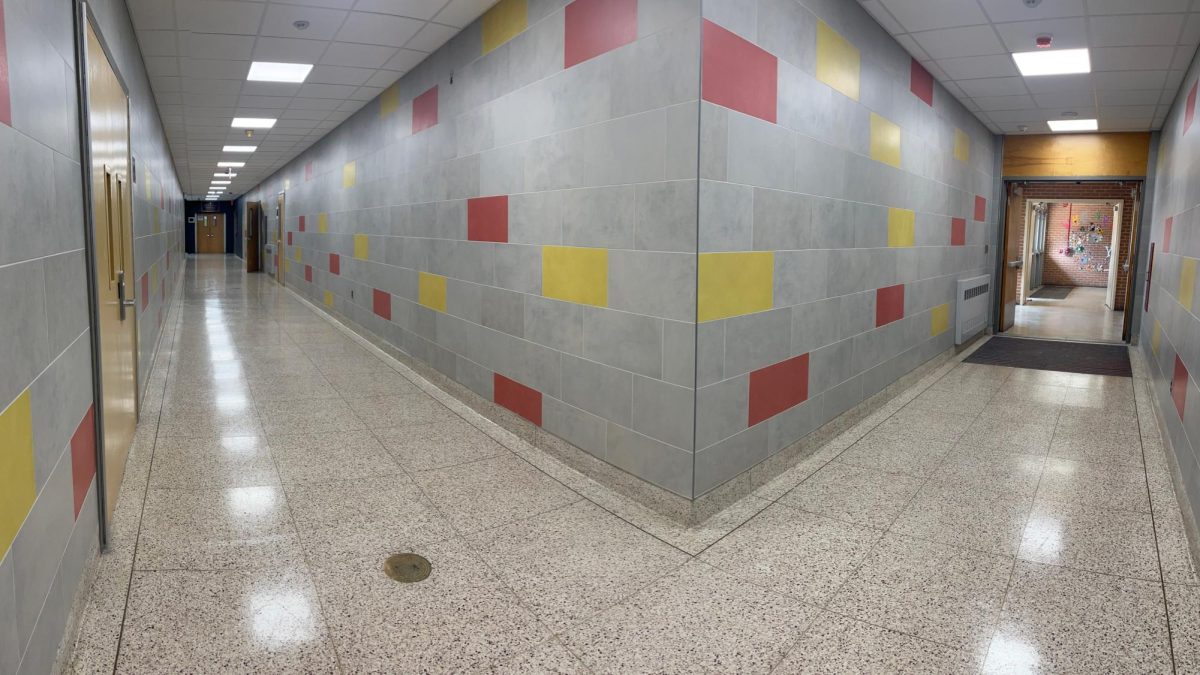
In school, we face these types of distractions every day, at least three times an hour, even if we don’t realize it. Random music playing on the loudspeakers? Distraction. Kid screaming in the hallway? Distraction. Mr. Ross, announcing a hall sweep with Jeopardy music? A distraction for kids in their seats by the bell.
But, the worst distraction we face every day very well could be the school bells themselves, which ring over thirty times a day.
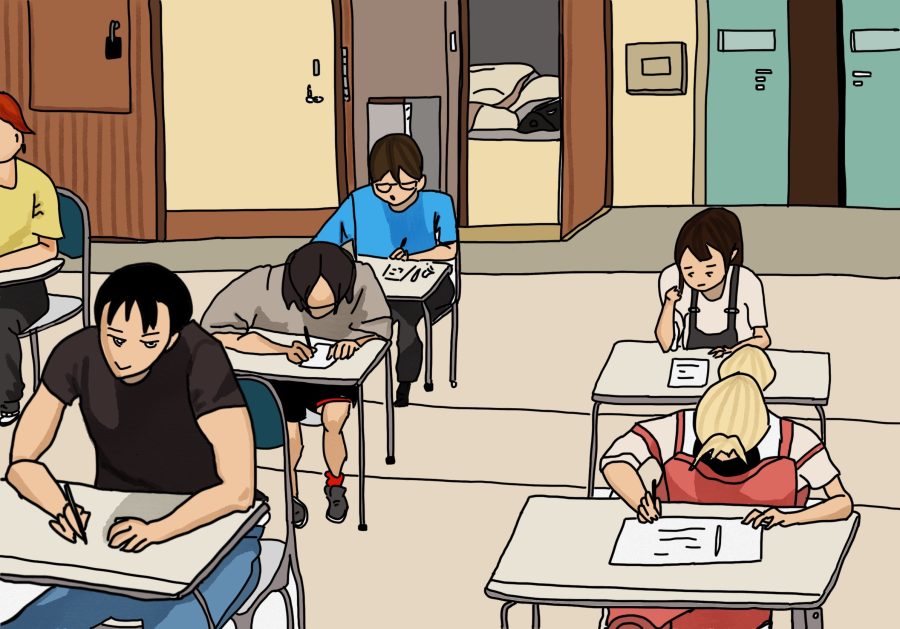
That means only fifteen to twenty minutes of every 43-minute period in a day is actually spent learning. Added up, we see that really only two to two and a half hours are actually spent learning in the classroom, out of the minimum seven hours we spend in school each day.
The truth is we inadvertently waste so much time at school due to distractions. This is part of the reason why many EHS students have so much homework every night and struggle in school: They struggle to focus during class when the teacher is teaching them the lesson.
This acknowledgement, something not as prevalent in public schools, hints at why vocational and magnet high schools typically produce students who are better prepared for the real world. Most vocational and magnet schools have specific concentrations, such as medicine, engineering, carpentry, etc. In their case, they focus on the interests of each student and create aligned schedules to minimize distractions for those key subjects by the bell. Specifically, they schedule these harder, key subjects at a time where the student is more inclined to focus, avoiding time blocks right before lunch or the end of the day. Contrary to popular belief, the main problem with public schools isn’t that they don’t focus on the key subjects and listen to students’ interests (which is done via electives), but that they don’t create a smart and effective schedule.
For example, around 11 a.m. to noon in EHS, the bell rings a total of six times. Now, imagine a student has a test then. This creates a lot of distractions for that student, suggesting why they might be struggling in the class. In vocational and magnet schools, however, everyone has the same lunchtime schedule, which means the bell rings only at the start or end of everyone’s period, allowing students to focus and do well in hard level classes since there aren’t loud interruptions right outside the door. These schools also utilize longer class periods, up to 2 hours, allowing students to focus on one task or subject at a time instead of switching between different classes quickly, reducing distractions.
This problem only becomes more complex as the students graduate and move on to higher education, trade school, the workforce, careers in the military, and much more. In these real-life scenarios, oftentimes, there isn’t room to put off tasks just because you are distracted. And those that manage to adjust for success careerwise, but don’t address the root problem, could end up suffering in other areas, such as their social life, self care, etc. Minuscule distractions showing up here eventually add up until they can’t be bottled up anymore.
So, the truth is that making each period longer, or aligning school schedules so the bell rings fewer times a day might be the way to go from here. After all, nobody wants an absent-minded doctor prescribing them medicine or a distracted mechanic working on their car.